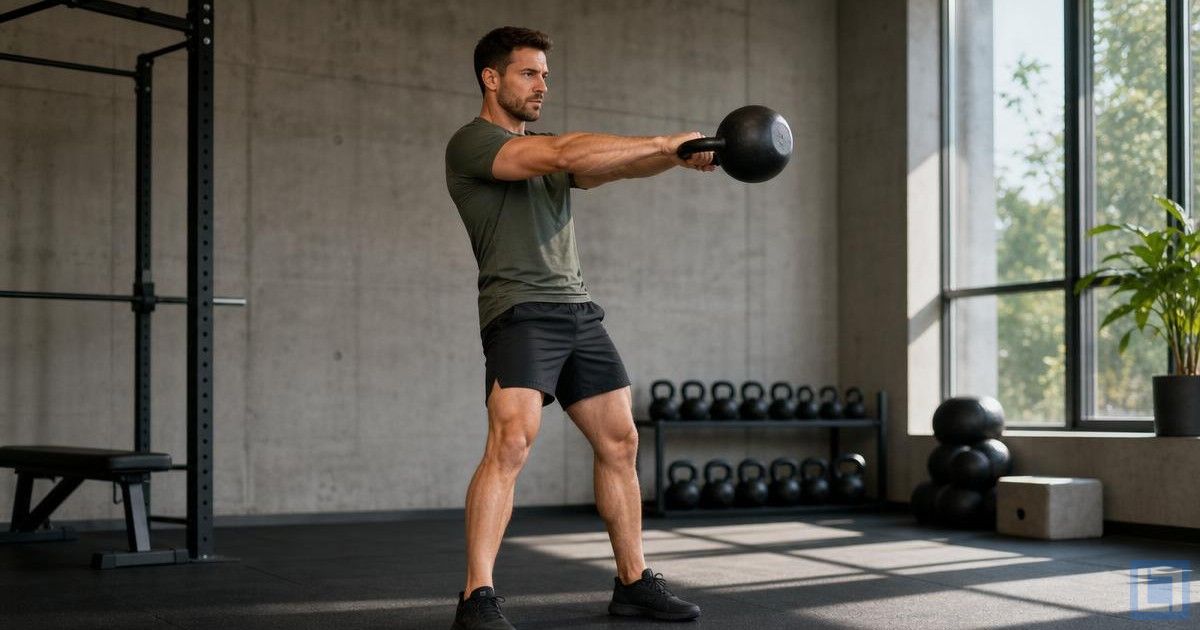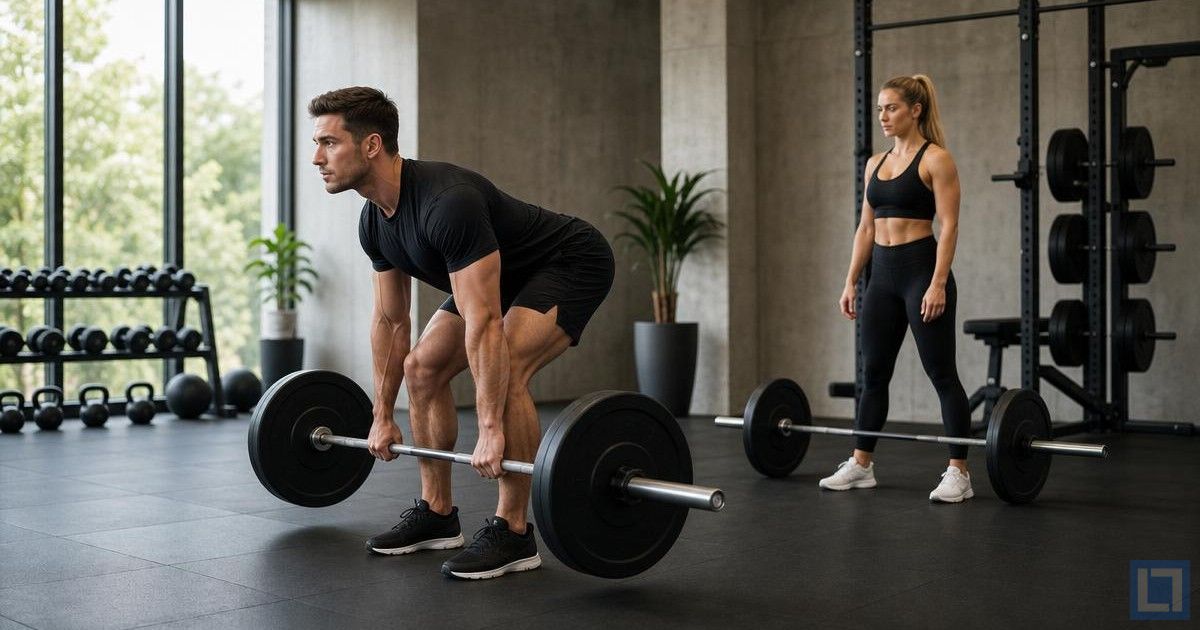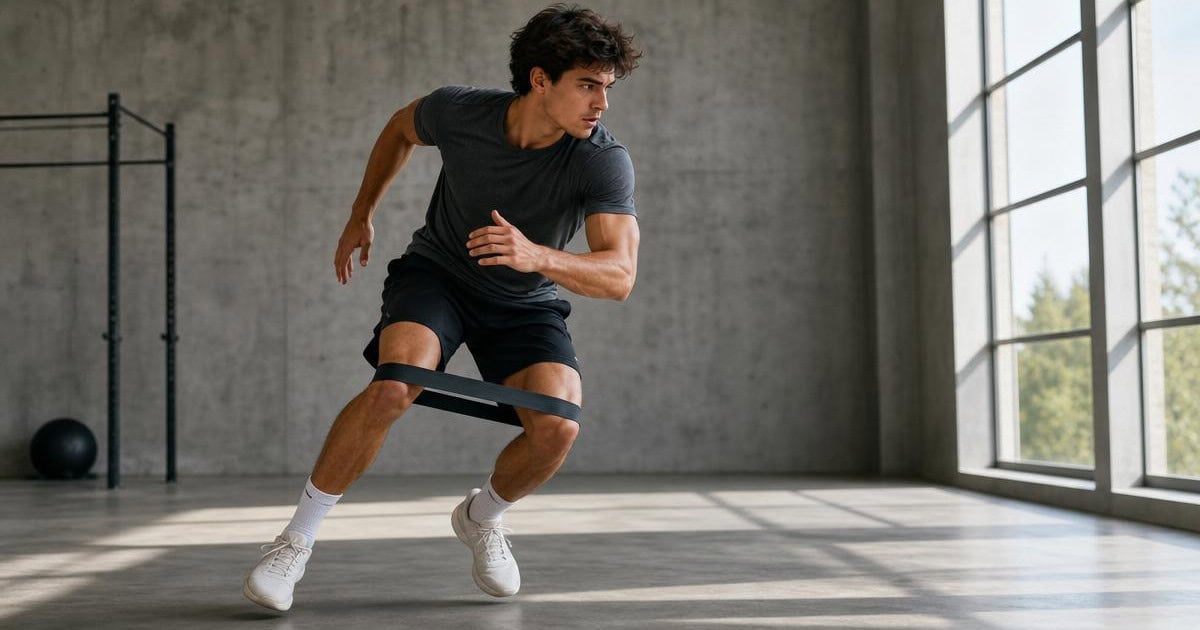
Skateboarding-focused strength and conditioning training transforms board performance and reduces injury risk by building the explosive lower-body power, balance, core stability, and ankle/calf strength that skateboarding demands across street, park, vert, and transition disciplines. Skateboarders who consistently train strength 2 to 3 times per week alongside skating see measurable improvements: higher ollies through explosive leg power, better balance through unilateral strength, more powerful pumping through glute and quad strength, reduced ankle injury risk through stronger calves, better landing absorption through compound leg strength, and longer skating endurance through general conditioning. The most effective skateboarder-focused programs prioritize compound bilateral leg work (squats) for foundational power, explosive jumping (jump squats) for ollie height, dedicated unilateral patterns (Bulgarian split squats, walking lunges, single-leg glute bridges) that mirror skateboarding’s stance demands, glute work (glute bridges) for ollie pop power, calf and ankle work (calf raises) for ollie pop and landing protection, and core stability (planks, side planks, dead bugs) for balance and landing absorption.
Below are ten effective strength and conditioning exercises for skateboarders that cover bilateral compound leg work (barbell squat, barbell glute bridge), explosive power (jump squat), unilateral patterns mirroring skateboarding stances (dumbbell Bulgarian split squat, dumbbell walking lunge, single leg glute bridge with knee to chest), calf work (standing calf raise), and core stability (front plank, side plank, dead bug). Together they form a complete skateboarder-focused strength program. A 30 to 45-minute session pulled from this list, performed 2 to 3 times per week alongside skating, produces strong strength and balance development for street skaters, park skaters, vert skaters, and transition skaters.
Barbell Squat

The Barbell Squat performs back squats. The compound pattern builds foundational lower-body strength critical for skateboarding power and stability.
For skateboarders, the squat builds the foundational leg strength used in pumping, ollies, and trick power. Run it for 3 to 4 sets of 5 to 8 reps as primary leg strength work.
Set up a barbell on a rack at upper back height. Position the bar across the upper back. Step back with feet shoulder-width. Squat down by bending the knees and hips. Lower until the thighs are parallel to the floor. Drive back up through the heels. The pattern builds the foundational leg strength that skateboarders need for pumping ramps and bowls, generating ollie pop, and absorbing landing forces. Heavy leg strength translates directly to higher ollies, more powerful pumps, and reduced injury from drops and impacts.
Dumbbell Bulgarian Split Squat
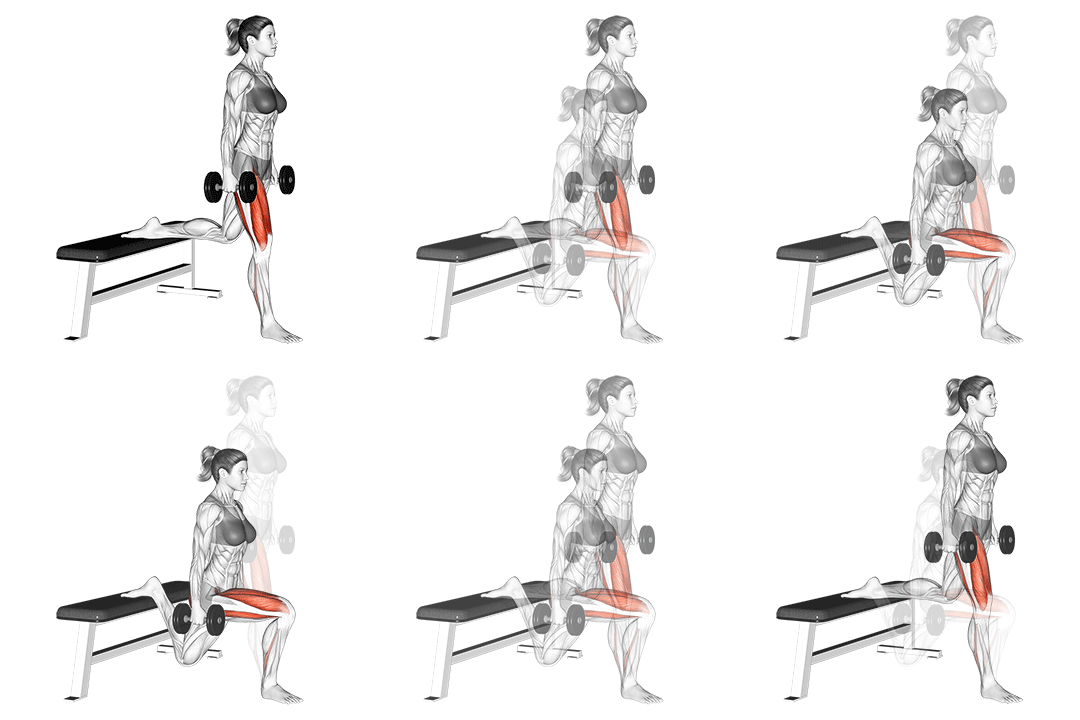
The Dumbbell Bulgarian Split Squat performs Bulgarian split squats. The unilateral pattern mirrors skateboarding stance loading.
For skateboarders, the Bulgarian split squat builds unilateral leg strength essential for switch stance work and balance. Run it for 3 sets of 8 to 10 reps per leg as unilateral work.
Stand 2 to 3 feet in front of a bench. Place the top of the rear foot on the bench behind. Hold dumbbells in each hand at the sides. Squat down by bending the front knee. Lower until the front thigh is parallel to the floor. Drive back up through the front heel. The pattern hits each leg individually with full loading and develops the single-leg strength critical for skateboarding stances and balance demands. The forward foot loading pattern mirrors stance work on the board. Switch legs between sets.
Barbell Glute Bridge
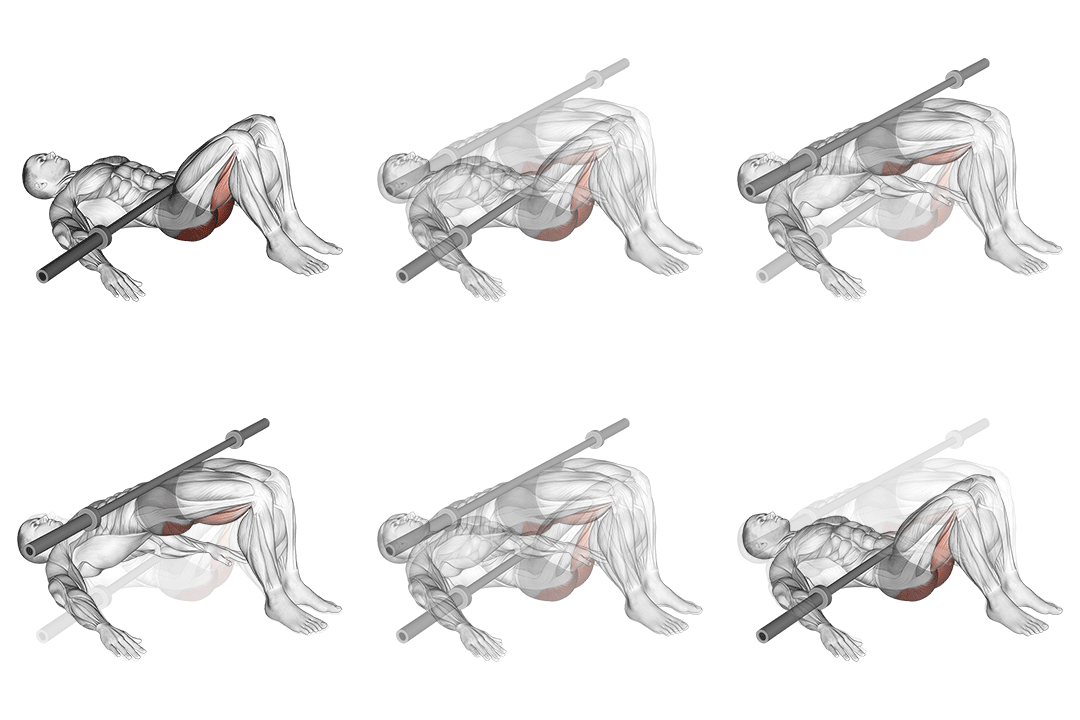
The Barbell Glute Bridge performs glute bridges. The pattern builds glute power for ollies and pumping.
For skateboarders, the glute bridge builds the glute power that drives ollie pop and pumping motions. Run it for 3 sets of 10 to 15 reps as primary glute work.
Lie on the floor with knees bent and feet planted. Position a barbell across the hips (use a barbell pad). Hold the bar in place. Drive through the heels to lift the hips up by extending the hips. The body forms a straight line from shoulders to knees at the top. The glutes work hard. Squeeze at peak hip extension. Lower under control. The pattern builds the glute strength essential for ollie pop (the explosive hip extension that drives the board upward) and pumping power on ramps and transitions.
Standing Calf Raise

The Standing Calf Raise performs standing calf raises. The pattern builds calf strength essential for skateboarding pop.
For skateboarders, the calf raise builds the calf strength that drives ollie pop and absorbs landing forces. Run it for 3 sets of 12 to 20 reps as primary calf work.
Stand with feet hip-width on a flat surface. Rise up onto the toes by extending the ankles. The calves work hard through plantar flexion. Squeeze at peak extension. Lower under control. The pattern builds the calf strength critical for skateboarding – calves drive ollie pop through ankle plantar flexion, absorb landing forces, and provide the explosive ankle action that powers tricks. Strong calves mean higher ollies and reduced injury from drops.
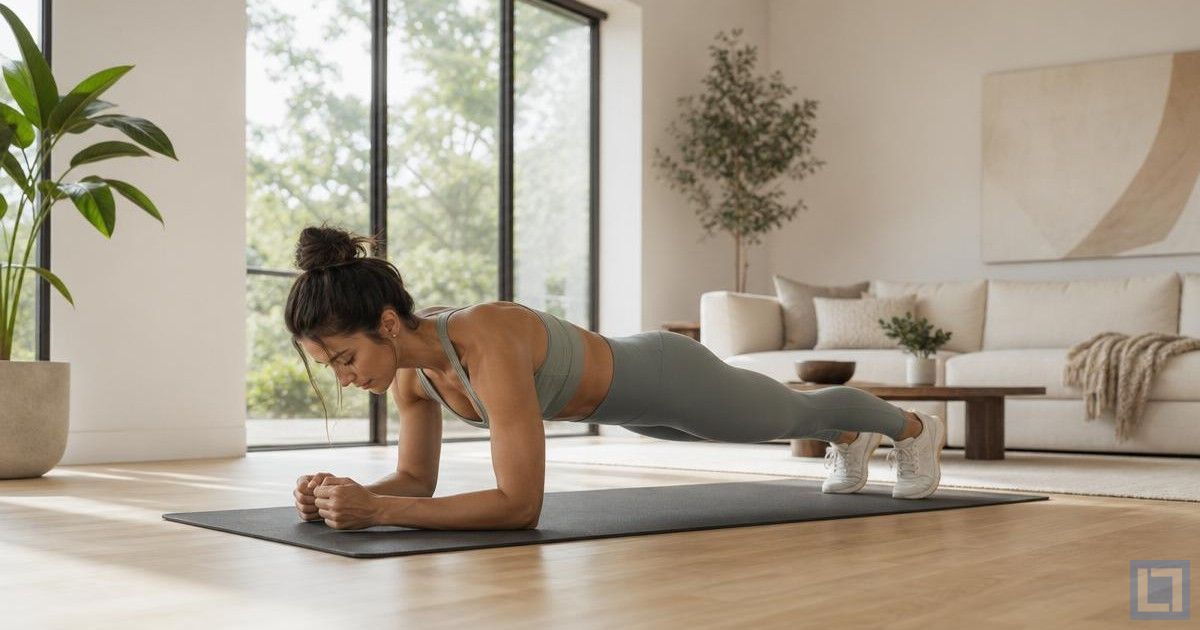
Front Plank
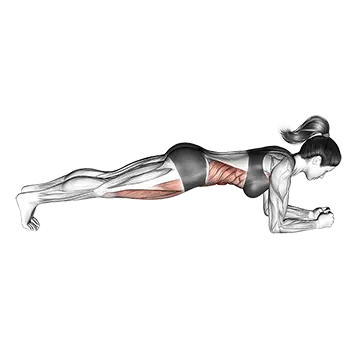
The Front Plank performs forearm plank holds. The pattern builds isometric core strength for skateboarding stability.
For skateboarders, the plank builds the core stability essential for trick balance and landing absorption. Run it for 3 sets of 30 to 60-second holds as primary core work.
Lie face-down on the floor. Prop up on the forearms with elbows under the shoulders. Lift the hips so the body forms a straight line from shoulders to ankles. The core works hard isometrically. Hold for the working interval. The pattern builds the isometric core strength skateboarders need for maintaining balance through tricks, absorbing landing forces, and recovering from off-balance moments. Strong core is foundational for skateboarding control.
Side Plank
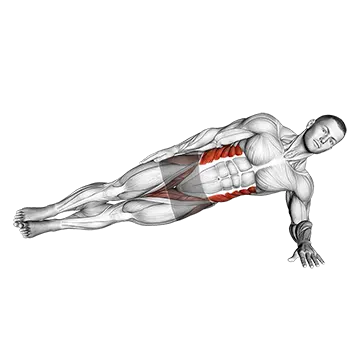
The Side Plank performs side plank holds. The pattern builds lateral core strength for skateboarding stance maintenance.
For skateboarders, the side plank builds the obliques and lateral core stability needed for stance maintenance and rotational tricks. Run it for 3 sets of 30-second holds per side as lateral core work.
Lie on one side with the body straight. Prop up on one forearm with the elbow under the shoulder. Lift the hips up so the body forms a straight line from feet to head. The obliques and glute medius work hard. Hold for the working interval. Switch sides between sets. The pattern builds the lateral core strength essential for skateboarding – maintaining stance through hip rotation, executing rotational tricks (180s, 360s), and recovering from lateral imbalances during landings.
Dead Bug

The Dead Bug performs dead bug core exercise. The pattern builds deep core stability for skateboarding control.
For skateboarders, the dead bug develops deep core stability and limb-coordination critical for trick execution. Run it for 3 sets of 10 to 12 reps per side as deep core work.
Lie on the back with arms extended toward the ceiling and knees bent at 90 degrees with shins parallel to the floor. Slowly extend one leg toward the floor while extending the opposite arm overhead. Keep the lower back pressed firmly into the floor. Return to start and switch sides. The deep core works hard. The pattern builds the deep core stability skateboarders need for coordinating limb movements during tricks while maintaining trunk control.
Jump Squat

The Jump Squat performs explosive jump squats. The pattern builds explosive lower-body power for ollies and aerial tricks.
For skateboarders, the jump squat builds the explosive power that drives ollies and aerial tricks. Run it for 3 to 4 sets of 5 to 8 reps as explosive power work.
Stand with feet shoulder-width. Squat down by bending the knees and hips to about parallel. Drive explosively up by extending the knees and hips while jumping off the floor. Land softly with knees bent ready to absorb the landing. Reset between reps for explosive intent. The pattern builds the explosive lower-body power that translates directly to skateboarding – ollie height, aerial trick height, and explosive push-off power. Focus on maximum height with controlled landings rather than rep volume.
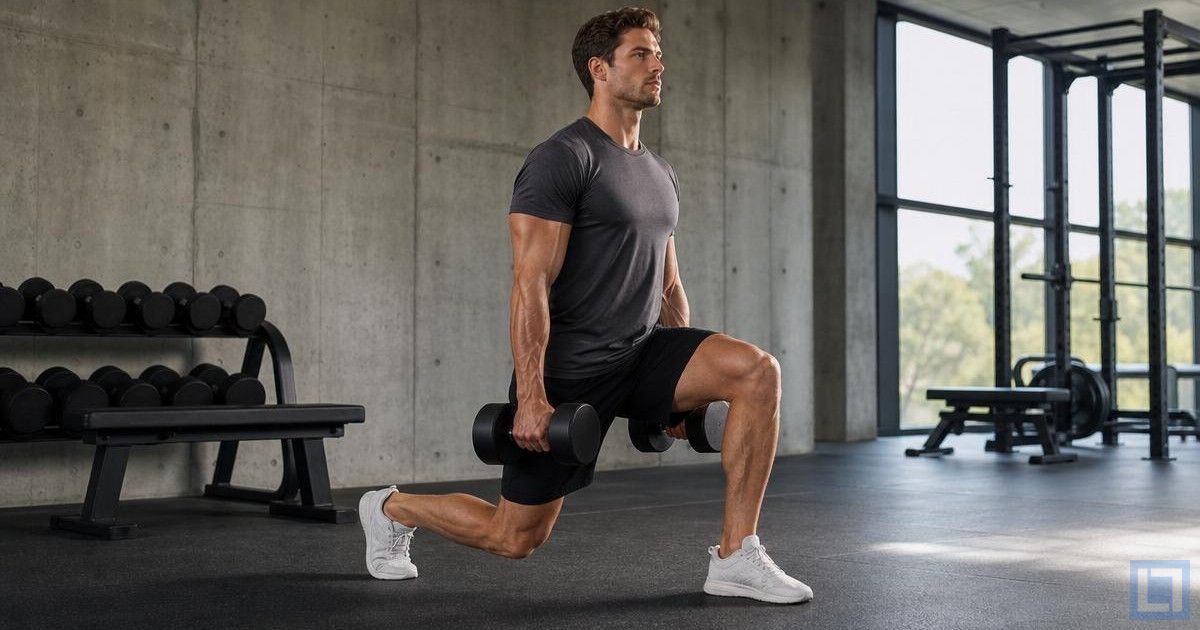
Dumbbell Walking Lunge

The Dumbbell Walking Lunge performs walking lunges. The dynamic unilateral pattern builds skateboarding-relevant balance.
For skateboarders, walking lunges develop dynamic single-leg strength and balance. Run it for 3 sets of 16 to 20 total steps as dynamic unilateral work.
Stand with feet hip-width holding dumbbells in each hand at the sides. Step forward with one leg into a lunge position, lowering the back knee toward the floor. Drive through the front heel to stand up while bringing the rear leg forward into the next lunge step. Continue alternating. The dynamic motion builds unilateral strength and balance. The pattern is excellent for skateboarding because walking lunges require balance and coordination similar to switch stance and footwork on the board.
Single Leg Glute Bridge with Knee to Chest

The Single Leg Glute Bridge with Knee to Chest performs unilateral glute bridges with the non-working knee pulled to chest. The pattern produces strong unilateral glute work.
For skateboarders, the single-leg glute bridge builds unilateral glute power and hip stability. Run it for 3 sets of 10 to 12 reps per leg as unilateral glute work.
Lie on the back with one knee bent and foot planted on the floor. Pull the opposite knee to the chest with the hands. Drive through the heel of the planted foot to lift the hips up by extending the hip. The working glute works hard through unilateral hip extension. Squeeze at peak. Lower under control. The pattern produces strong unilateral glute work and hip stability – both critical for skateboarding stance balance and ollie power generation.
How To Program These Workouts
A productive skateboarder-focused strength session pulls 4 to 6 exercises from the list above. A common balanced session: barbell squat (compound), dumbbell Bulgarian split squat (unilateral), jump squat (explosive), front plank (core), standing calf raise (ankle/calf). For power focus: barbell squat, jump squat, barbell glute bridge, standing calf raise. For balance focus: dumbbell Bulgarian split squat, dumbbell walking lunge, single leg glute bridge, side plank. Run compound strength work for 3 to 4 sets of 5 to 8 reps, explosive work for 3 to 4 sets of 5 to 8 reps with maximum intent, unilateral work for 3 sets of 8 to 12 reps per leg, calf work for 3 sets of 12 to 20 reps, core work for 3 sets of 30 to 60-second holds.
Train skateboarder strength 2 to 3 times per week alongside skating. Most successful skateboarder programs schedule strength work either: 1) on rest days from skating for full recovery, or 2) in shorter sessions following skate sessions. Skateboarders should avoid heavy strength work the day before major skate sessions or competitions. The skateboarder’s primary focus is always board time – strength supports skateboarding development without replacing it. Most pro and amateur skaters train 2 weekly strength sessions during build phases and 1 weekly maintenance session during heavy skate seasons.
For broader programming, see our best workouts for snowboarding and best workouts for surfing. For specific power work, see our best workouts to increase vertical jump.
Final Thoughts
The best workouts for skateboarding deliver real board performance improvements and reduced injury risk through strength training that targets the specific demands of skateboarding: explosive leg power for ollie height and aerial tricks, unilateral strength for stance balance, glute and calf strength for pop power and landing absorption, core stability for trick control, and general conditioning for skating endurance. The combination of squats, Bulgarian split squats, glute bridges, calf raises, planks, jump squats, walking lunges, and single-leg glute bridges covers every functional pattern of skateboarding and produces broader athletic development than skating alone would suggest. Many skateboarders discover higher ollies, better balance, reduced ankle and knee injuries, and longer skate sessions within 8 to 12 weeks of adding consistent strength work. For skateboarders seeking higher tricks, better balance, reduced injury rates, or longer skating endurance, dedicated strength training is one of the most effective interventions available.
Stay focused on functional strength rather than maximum strength or aesthetic mass. The most common mistake skateboarders make is either avoiding strength training entirely or training like a general bodybuilder with too-heavy loads that produce muscle without functional skateboarding transfer. The fix: prioritize compound strength, explosive power, balance, and ankle/calf strength rather than maximum hypertrophy. Skateboarders need fast, balanced, well-conditioned strength rather than maximum bulk. Quality work in moderate volumes builds skateboarding-specific strength without unwanted bulk that would slow tricks or reduce mobility.
Frequently Asked Questions
Should skateboarders lift weights?
Yes effectively. Many pro skaters incorporate strength training, particularly as they age and want to extend their skating careers. Strength training produces: higher ollies through explosive power, better balance through unilateral strength, reduced ankle and knee injury rates, better landing absorption, and longer skating endurance. The key is appropriate programming – skateboarders need functional strength rather than maximum mass. Quality strength training 2 to 3 times per week supports skateboarding without producing bulk that interferes with mobility.
How often should skateboarders do strength training?
2 to 3 sessions per week works for most skateboarders. The optimal pattern: schedule strength work either on rest days from skating for full recovery, or in shorter sessions following skate sessions. Avoid heavy strength work the day before major skate sessions or competitions. During heavy skate seasons reduce to 1 weekly maintenance session. The skateboarder’s primary focus is always board time – strength supports skateboarding development.
What’s the best exercise for higher ollies?
Explosive lower-body work produces ollie height. Jump squats build the explosive vertical power that translates directly to ollie pop. Calf raises build ankle plantar flexion for the snap of the tail. Glute bridges build the hip extension power that drives the body upward. Combined with foundational strength (squats, Bulgarian split squats), these explosive patterns produce measurable ollie height improvements. Most skateboarders see noticeable ollie height improvement within 6 to 8 weeks of consistent explosive training.
Will lifting weights make me too bulky for skating?
No – properly programmed skateboarder strength training builds functional strength without meaningful bulk. The myth comes from improperly programmed bodybuilding-style training. Quality skateboarder-focused strength work prioritizes power, explosive strength, balance, and conditioning over maximum hypertrophy. Skateboarders can substantially improve strength while maintaining the lean, athletic build that skateboarding requires through proper programming focused on compound strength and explosive power.
How can I prevent skateboarding injuries with strength training?
Strength training reduces injury risk through several mechanisms: stronger ankles (calf raises) reduce ankle sprain rates, stronger knees (squats, Bulgarian split squats, glute work) provide better stability during landings, stronger core (planks, dead bugs) improves balance recovery and landing absorption, and stronger glutes (glute bridges, single-leg glute bridges) protect the lower back during compression and rotation. Most skateboarders who add consistent strength training experience reduced injury rates within 8 to 12 weeks.