Skater

Description
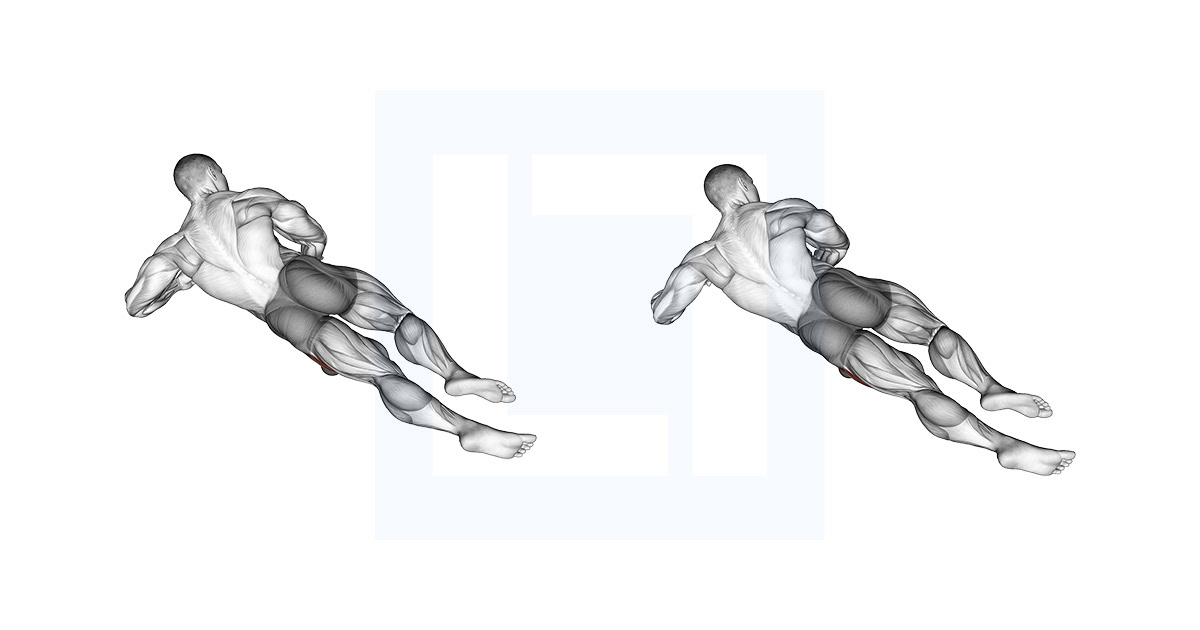
The skater is a lateral plyometric exercise where you bound from one leg to the other in a side-to-side motion that mimics the stride of a speed skater. It builds lateral power, hip stability, ankle stability, and cardiovascular conditioning. It is functionally identical to skater hops.
Muscle Group
Equipment Required
Skater Instructions
- Stand on your right leg with a slight knee bend. Left foot off the floor behind you.
- Push off your right foot and bound laterally to the left, landing on your left foot.
- Land softly on your left foot with a bent knee. Right leg swings behind your left.
- Absorb the impact through your left leg.
- Immediately push off your left foot and bound back to the right, landing on your right foot.
- Continue bounding side to side in a skating motion.
- Swing your arms naturally for balance and momentum.
- Aim for controlled, powerful bounds. Perform for 30 to 45 seconds per set.
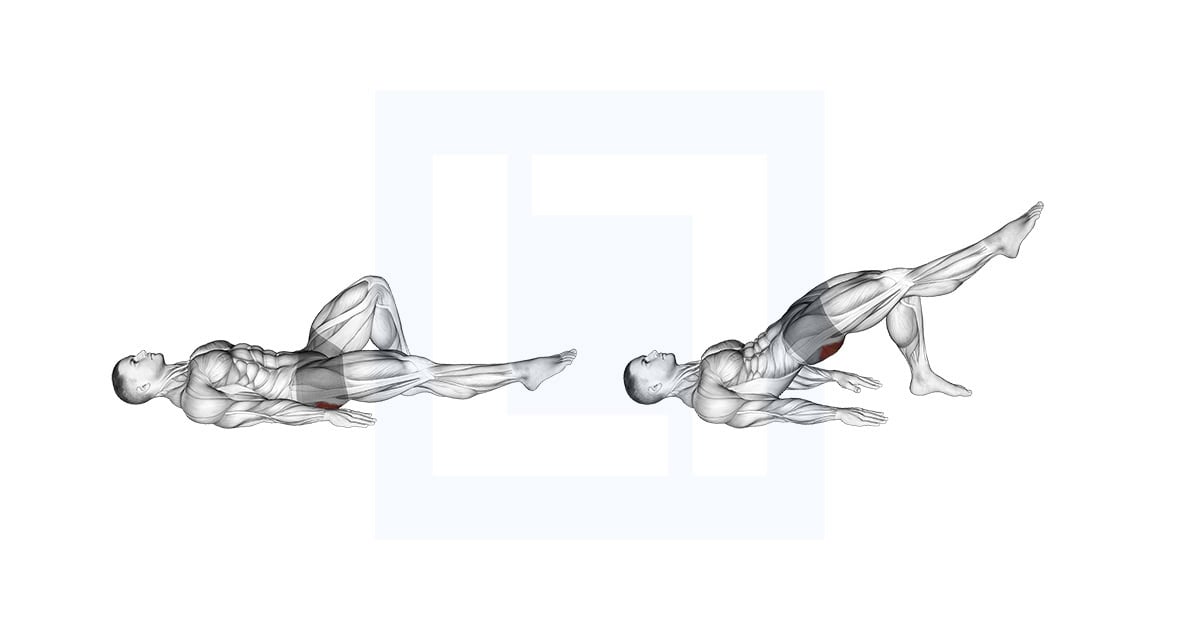
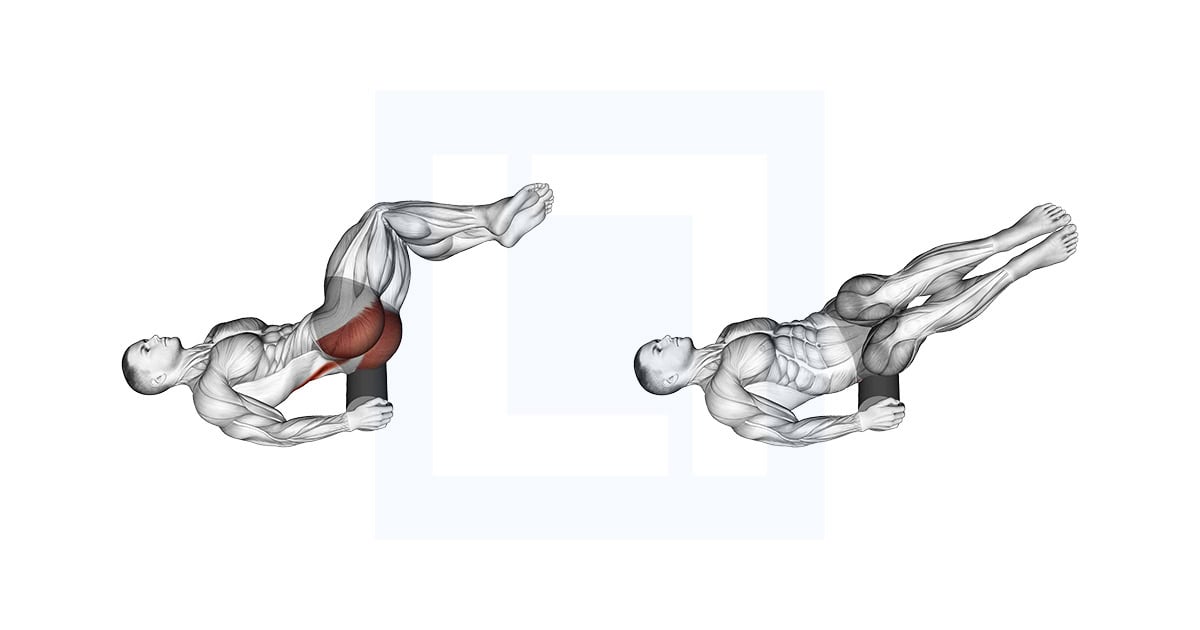
Skater Form & Visual

Skater Benefits
- Builds lateral power and agility
- Develops single-leg stability
- Trains the gluteus medius
- Excellent cardiovascular conditioning
- Carries over to skating and lateral movement sports
- No equipment needed
Skater Muscles Worked
- Gluteus maximus and medius
- Quadriceps
- Hamstrings
- Calves
- Adductors and abductors
- Core (anti-rotation)
Skater Variations & Alternatives
- Skater Hops (synonymous)
- Lateral Bound
- Jump Squat
- Speed Skater (faster tempo)
- Skater with Reach (touch floor)