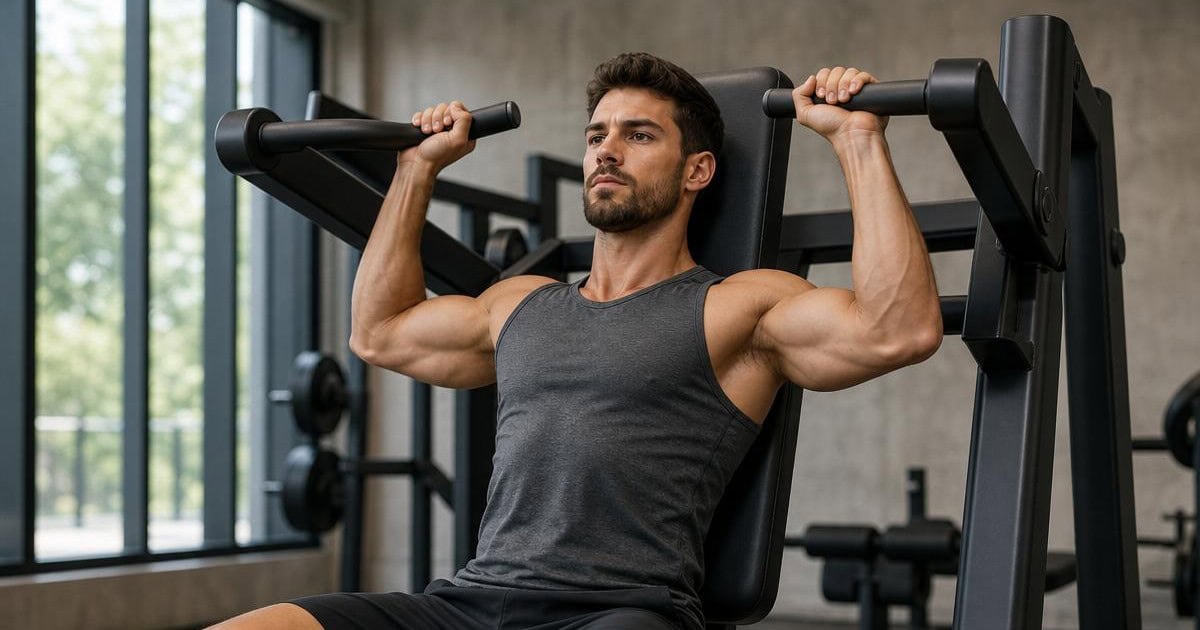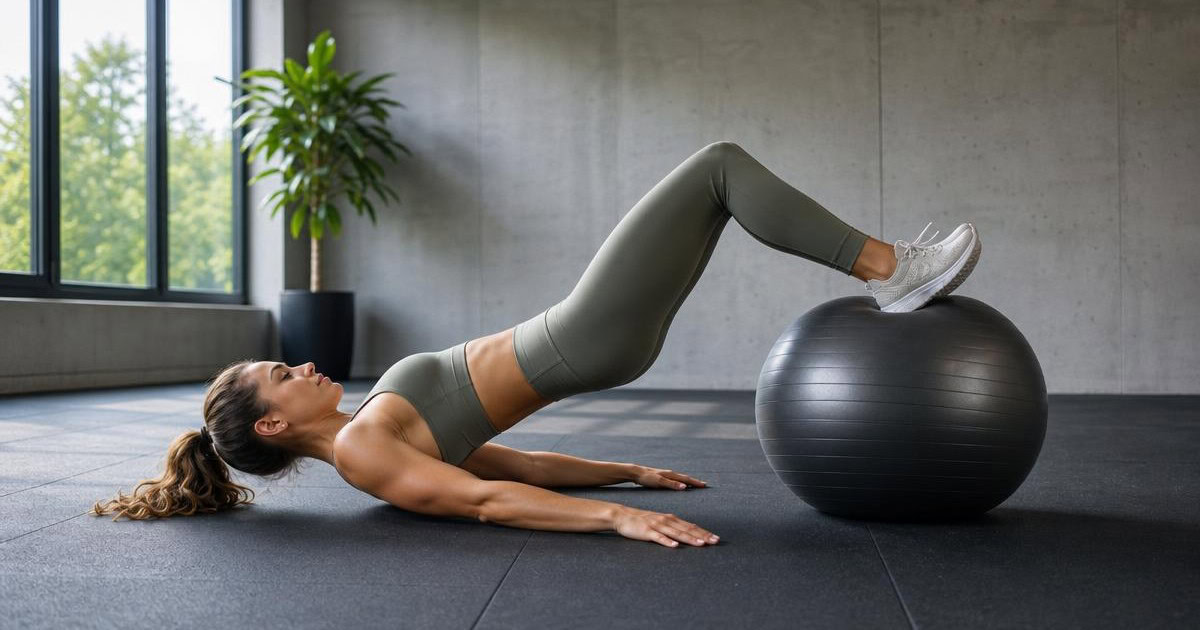
The hamstrings – the three muscles on the back of the thigh (biceps femoris, semitendinosus, semimembranosus) – are critical for athletic performance and lower-body aesthetics, contributing substantially to running speed, jumping power, posterior chain strength, knee flexion strength, hip extension power, and the developed leg appearance from behind. The hamstrings have two primary functions: knee flexion (curling the lower leg toward the glutes – trained by leg curls) and hip extension (extending the hip – trained by RDLs and deadlifts). Complete hamstring development requires training both functions. Hamstring curls activate strongest during: lying leg curl patterns for direct hamstring loading – the most important hamstring curl exercise pattern, seated leg curl patterns for stretched-position hamstring loading (potentially producing superior hypertrophy through stretch), compound posterior chain work (RDLs, deadlifts) for hip extension training, eccentric-emphasized work (Nordic curls) for extreme eccentric loading and injury prevention, accessible bodyweight variations (sliding leg curls, exercise ball curls) for home training, and unilateral patterns for asymmetry-addressing development. Most lifters who want stronger and more developed hamstrings benefit from training hamstrings 1 to 2 times per week with appropriate volume distributed across leg curl variations, compound posterior chain work, eccentric work, and unilateral patterns.
Below are ten of the most effective hamstring curl and hamstring development exercises, covering primary leg curl variations (lever lying leg curl, lever seated leg curl), compound posterior chain (barbell romanian deadlift, dumbbell romanian deadlift, barbell deadlift), eccentric-emphasized work (resistance band assisted Nordic hamstring curl), accessible bodyweight variations (sliding leg curl on floor with towel, exercise ball leg curl), unilateral hip extension (dumbbell single-leg glute bridge), and unilateral leg loading (dumbbell Bulgarian split squat). Together they form a complete hamstring program. A 30 to 45-minute hamstring-focused session pulled from this list, performed 1 to 2 times per week (or as integrated work in regular leg training), produces strong hamstring development for any lifter focused on bigger hamstrings, stronger hamstrings, better posterior chain capacity, or hamstring injury prevention.
Lever Lying Leg Curl

The Lever Lying Leg Curl performs lying leg curls. The pattern is foundational for hamstring curl development.
For hamstring curl development, the lever lying leg curl is foundational. Run it for 4 sets of 8 to 12 reps as primary heavy hamstring curl work.
Lie face-down on a leg curl machine with the legs straight and ankles under the pad. Curl the legs by flexing at the knees, bringing the heels toward the glutes. The hamstrings work hard through pure knee flexion. Squeeze hard at peak. Lower under control. The pattern is foundational for hamstring curl development – the lying leg curl trains the hamstrings through pure knee flexion at the most direct loading angle. Most lifters with the most developed hamstrings have built them on consistent heavy lying leg curl training. The most direct hamstring curl exercise.
Lever Seated Leg Curl

The Lever Seated Leg Curl performs seated leg curls. The pattern produces seated hamstring curl loading.
For hamstring curl development, the seated leg curl produces excellent hamstring loading. Run it for 3 to 4 sets of 8 to 12 reps as primary seated hamstring work.
Sit on a seated leg curl machine with the legs extended and the ankles over the pad. Curl the legs by flexing at the knees, pulling the pad down toward the glutes. The hamstrings work hard through knee flexion in the seated position. Squeeze hard at peak. Return under control. The pattern produces excellent hamstring loading – the seated position lengthens the hamstrings (hip flexion) while training knee flexion, producing superior stretch loading compared to lying leg curls. Recent research suggests seated leg curls may produce greater hamstring growth than lying variations through the stretched position.
Barbell Romanian Deadlift

The Barbell Romanian Deadlift performs Romanian deadlifts. The pattern produces compound hamstring loading.
For hamstring curl development, the RDL produces compound hamstring loading complementing curl work. Run it for 3 sets of 8 to 12 reps as compound hamstring work.
Stand with feet hip-width holding a barbell at the front of the thighs. Hinge at the hips by sending them backward while keeping the back flat and legs nearly straight. Lower the barbell along the legs until the hamstrings stretch deeply. Drive back to standing by extending the hips. The pattern produces compound hamstring loading through hip extension – while the hamstring functions both as knee flexor (curls) and hip extensor (RDLs), comprehensive hamstring development requires training both functions. Combined with leg curls, RDLs build complete hamstring development.
Dumbbell Romanian Deadlift
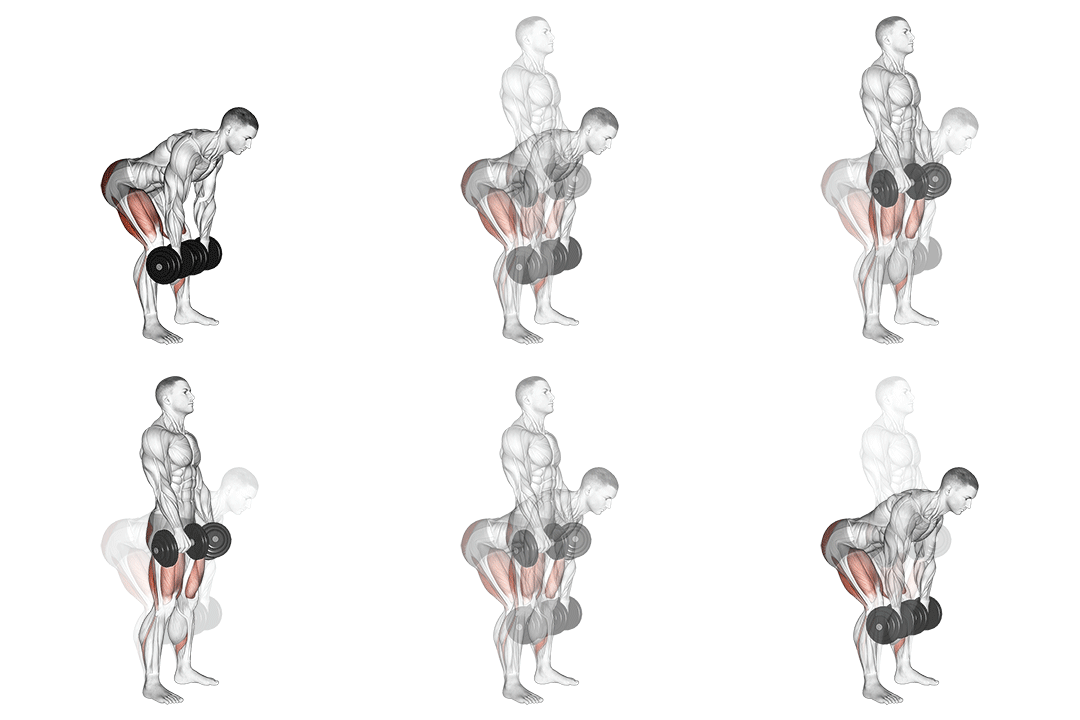
The Dumbbell Romanian Deadlift performs dumbbell Romanian deadlifts. The pattern produces variation hamstring loading.
For hamstring curl development, the dumbbell RDL produces variation hamstring loading. Run it for 3 sets of 10 to 12 reps as variation work.
Stand with feet hip-width holding dumbbells in each hand at the sides. Hinge at the hips by sending them backward while keeping the back flat and legs nearly straight. Lower the dumbbells along the legs until the hamstrings stretch deeply. Drive back to standing by extending the hips. The pattern produces compound hamstring loading with dumbbell loading – the dumbbell variation provides slight differences from barbell loading and addresses left/right asymmetries. Excellent variation alongside barbell RDLs.
Barbell Deadlift

The Barbell Deadlift performs barbell deadlifts. The pattern produces compound hamstring loading.
For hamstring curl development, the deadlift produces foundational compound hamstring loading. Run it for 3 sets of 5 to 8 reps as compound posterior chain work.
Stand with feet hip-width with a barbell on the floor over the mid-foot. Hinge at the hips and bend the knees to grip the bar. Drive through the heels while extending the hips and knees to lift the bar from the floor. Stand fully tall at the top. Lower under control. The pattern produces extreme compound posterior chain loading – critical for hamstring development because deadlifts train the hamstrings substantially through hip extension under heavy load. Combined with dedicated hamstring curls, deadlifts produce the foundational posterior chain capacity supporting complete hamstring development.
Resistance Band Assisted Nordic Hamstring Curl

The Resistance Band Assisted Nordic Hamstring Curl performs assisted Nordic curls. The pattern is foundational for hamstring eccentric strength.
For hamstring curl development, the assisted Nordic curl produces extreme eccentric hamstring loading. Run it for 3 sets of 5 to 8 reps as eccentric hamstring work.
Kneel on the floor with the ankles secured (held by a partner or hooked under a fixed object). Use a resistance band attached overhead to provide assistance during the descent. Slowly lower the body forward by extending at the knees while maintaining straight body line. The hamstrings work hard eccentrically. Use hands to push back to start position. The pattern produces extreme eccentric hamstring loading – the Nordic curl is one of the most effective exercises for hamstring strength and injury prevention. The assisted variation makes Nordic curls accessible to lifters not yet strong enough for full bodyweight Nordic curls. Excellent for hamstring strain prevention and strength.
Sliding Leg Curl on Floor with Towel

The Sliding Leg Curl On Floor With Towel performs sliding leg curls. The pattern produces accessible bodyweight hamstring curling.
For hamstring curl development, the sliding leg curl produces accessible bodyweight hamstring work. Run it for 3 sets of 8 to 12 reps as bodyweight hamstring work.
Lie on the back with knees bent and heels on a towel or sliding pad on a smooth floor. Lift the hips up into a glute bridge position. Slowly slide the heels away from the body by extending the legs while maintaining hip elevation. Pull the heels back toward the body by curling the legs. The hamstrings work hard through both extension and flexion. Continue. The pattern produces accessible bodyweight hamstring curling – excellent variation when machines aren’t available. The sliding pattern trains the hamstrings through both eccentric extension and concentric flexion, producing comprehensive hamstring stimulus.
Exercise Ball Leg Curl

The Exercise Ball Leg Curl performs ball leg curls. The pattern produces accessible hamstring curling.
For hamstring curl development, the exercise ball leg curl produces accessible hamstring loading. Run it for 3 sets of 10 to 15 reps as accessible hamstring work.
Lie on the back with the heels on an exercise ball. Lift the hips up into a glute bridge position. Curl the ball in toward the body by flexing the knees and bringing the heels toward the glutes. The hamstrings work hard. Squeeze at peak. Extend the legs back out under control. The pattern produces accessible hamstring curling – the exercise ball provides an unstable surface that increases the stability demands while training the hamstrings through curl mechanics. Excellent home variation when machines aren’t available.
Dumbbell Single Leg Glute Bridge

The Dumbbell Single Leg Glute Bridge performs unilateral glute bridges. The pattern produces unilateral hip extension with hamstring involvement.
For hamstring curl development, the single-leg glute bridge produces unilateral posterior chain loading. Run it for 3 sets of 10 to 12 reps per side as unilateral work.
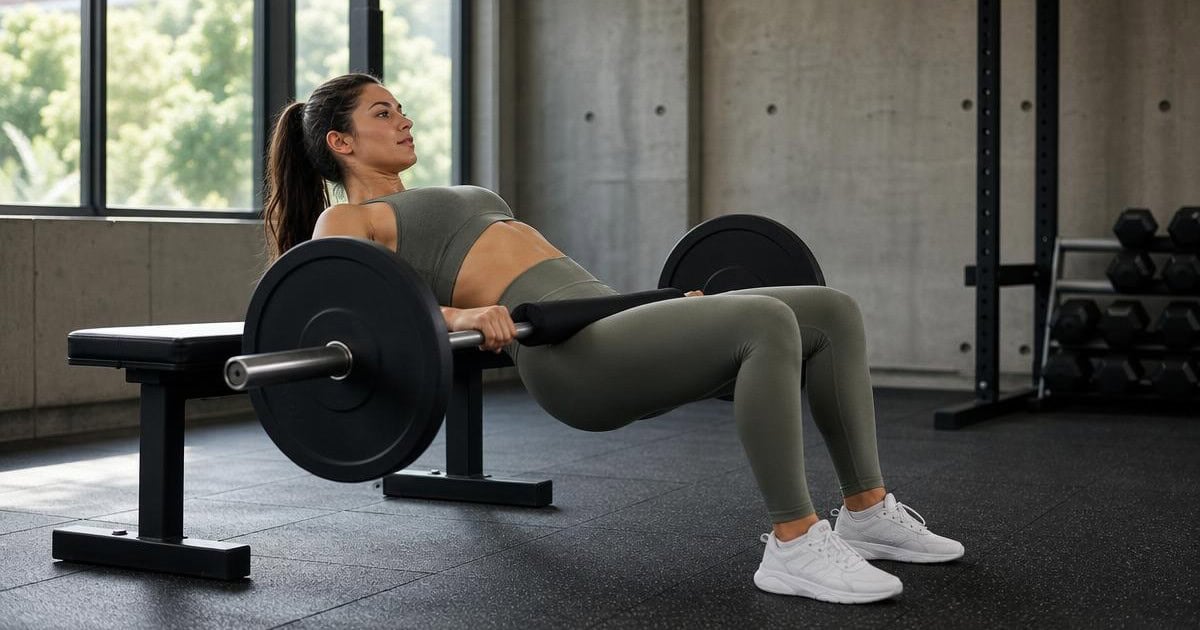
Lie on the floor with one knee bent and the other leg straight (or extended). Hold a dumbbell at the hips. Drive through the heel of the bent leg to lift the hips up. The glute and hamstring work hard maintaining hip level and extending the hip. Lower under control. Switch sides. The pattern produces unilateral posterior chain loading with hamstring involvement – critical for hamstring development because the working leg hamstring assists hip extension. Combined with dedicated hamstring curls, unilateral glute bridges support complete posterior chain development.
Dumbbell Bulgarian Split Squat
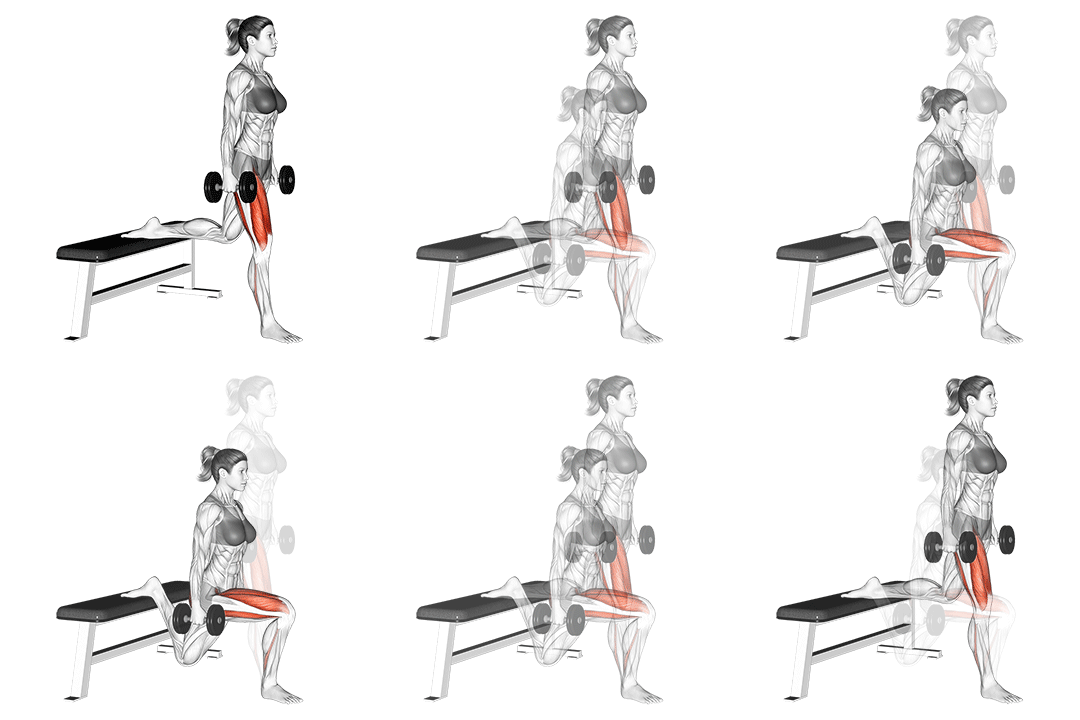
The Dumbbell Bulgarian Split Squat performs Bulgarian split squats. The pattern produces unilateral posterior chain loading.
For hamstring curl development, Bulgarian split squats produce unilateral leg loading with hamstring involvement. Run it for 3 sets of 8 to 12 reps per leg as unilateral leg work.
Stand 2 to 3 feet in front of a bench. Place the top of the rear foot on the bench behind. Hold dumbbells in each hand at the sides. Squat down by bending the front knee deeply. Lower until the front thigh is parallel to the floor. Drive back up through the front heel. The pattern produces unilateral leg loading with substantial hamstring involvement on the working leg – while primarily a quad and glute exercise, Bulgarian split squats train the hamstrings substantially through the deep hip flexion position. Combined with dedicated hamstring work, Bulgarian split squats build complete leg development.
How To Program These Workouts
A productive hamstring session pulls 5 to 7 exercises from the list above. A common balanced session: lever lying leg curl (heavy direct curl primary), lever seated leg curl (stretched position), barbell romanian deadlift (compound posterior chain), resistance band assisted Nordic hamstring curl (eccentric), dumbbell single-leg glute bridge (unilateral hip extension), exercise ball leg curl (accessible bodyweight). For maximum hamstring hypertrophy: prioritize lying and seated leg curls (especially seated for stretched loading) plus heavy RDLs. For posterior chain emphasis: prioritize deadlifts, RDLs, single-leg deadlifts. For hamstring injury prevention: prioritize Nordic curls (the gold standard for hamstring injury prevention). Run heavy curl work for 3 to 4 sets of 8 to 12 reps, compound posterior chain for 3 sets of 5 to 12 reps, eccentric work for 3 sets of 5 to 8 reps.
Train hamstrings 1 to 2 times per week as part of complete leg programming. Most successful hamstring programs include: 1) primary hamstring day or leg day (heavy curl variations plus compound posterior chain), 2) secondary hamstring work in regular leg training, 3) regular Nordic curl practice for injury prevention. Combined with progressive overload (gradually adding weight as form improves) and adequate volume (12 to 18+ weekly working sets focused on hamstrings), dedicated hamstring training produces development within 12 to 16 weeks for most lifters. The hamstrings respond particularly well to combined training – both knee flexion (curls) and hip extension (RDLs, deadlifts) training plus eccentric work (Nordic curls) produces the most complete hamstring development.
For broader programming, see our how to grow your hamstrings and best hamstring exercises. For specific work, see our how to fix tight hamstrings.
Final Thoughts
The best hamstring curl exercises deliver real hamstring development through training that targets both hamstring functions: direct knee flexion through leg curl variations, hip extension through compound posterior chain work, eccentric loading through Nordic curls, and unilateral capacity through single-leg variations. The combination of lying leg curls, seated leg curls, RDLs, deadlifts, Nordic curls, sliding leg curls, exercise ball curls, single-leg glute bridges, and Bulgarian split squats covers every functional pattern of hamstring development and produces broader posterior chain, athletic, and aesthetic development than partial training would suggest. Many lifters discover bigger hamstring development, more developed posterior chain, more athletic capacity through hamstring-driven movements, faster sprinting through stronger hamstrings, addressed asymmetries, reduced hamstring injury risk through Nordic curl practice, and the integrated leg development that defines well-developed lower bodies within 12 to 16 weeks of adding consistent comprehensive hamstring work. For lifters seeking complete hamstring development, dedicated multi-pattern hamstring training is one of the most effective interventions available.
Stay focused on combining knee flexion with hip extension work as priorities for complete hamstring development. The most common mistake lifters make in hamstring training is doing only one function (either only leg curls without RDLs, or only RDLs without leg curls) – producing incomplete hamstring development. The fix: prioritize both knee flexion training (leg curls – especially seated leg curls for stretched loading) AND hip extension training (RDLs, deadlifts) for complete hamstring development. Combined with eccentric work (Nordic curls for hamstring strain prevention), unilateral variations, and adequate volume, complete hamstring training produces the development that single-function training never achieves. The hamstrings have two functions and complete development requires training both.
Frequently Asked Questions
How can I build bigger hamstrings?
Heavy leg curls plus heavy RDLs/deadlifts plus stretched-position emphasis. Heavy lying leg curls produce direct hamstring loading through knee flexion. Heavy seated leg curls (especially valuable for stretched-position loading) may produce superior hamstring growth. Heavy RDLs and deadlifts build hamstring through hip extension. Combined with Nordic curls (eccentric), accessible variations (sliding leg curls, exercise ball curls), and unilateral work (single-leg glute bridges, Bulgarian split squats), this comprehensive approach produces measurable hamstring growth within 12 to 16 weeks.
What’s the best hamstring curl exercise?
Heavy lying leg curls plus seated leg curls. Heavy lying leg curls produce direct hamstring loading through pure knee flexion – the most direct hamstring isolation pattern. Seated leg curls produce stretched-position hamstring loading that recent research suggests may produce superior hamstring hypertrophy. Combined with RDLs (hip extension), deadlifts (compound), Nordic curls (eccentric), accessible variations, and unilateral work, lying leg curls plus seated leg curls form the foundation of hamstring development. Both variations should be included for complete hamstring training.
Should I do RDLs or leg curls for hamstrings?
Both – they train different hamstring functions. The hamstrings function as both knee flexors (trained by leg curls) and hip extensors (trained by RDLs and deadlifts). Complete hamstring development requires training both functions. Most successful hamstring programs include: 1) leg curl variations (lying and seated) for knee flexion development, 2) RDLs and deadlifts for hip extension development, 3) Nordic curls for eccentric strength and injury prevention, 4) unilateral variations for asymmetry-addressing work. Both knee flexion and hip extension training are essential.
How can I prevent hamstring strains?
Nordic hamstring curls plus regular hamstring strengthening plus adequate warm-up. Nordic curls are the gold standard for hamstring strain prevention – the eccentric loading specifically addresses the hamstring weakness underlying strains. Regular hamstring strengthening (leg curls, RDLs) maintains strong hamstrings less prone to strain. Combined with adequate warm-up before sprinting or jumping, gradual progression of training intensity, and addressing related limitations (hip mobility, glute strength), this approach dramatically reduces hamstring strain risk. Nordic curls are particularly effective.
How often should I train hamstrings?
1 to 2 times per week as part of complete leg programming. The hamstrings respond well to dedicated training 1 to 2 times per week. Most successful programs include: 1) primary hamstring day or leg day (heavy curl variations plus compound posterior chain), 2) secondary hamstring work in regular leg training. Total weekly hamstring volume should be 12 to 18+ working sets across direct curl variations, compound posterior chain, eccentric work, and unilateral patterns. The hamstrings benefit from comprehensive training across multiple movement patterns.