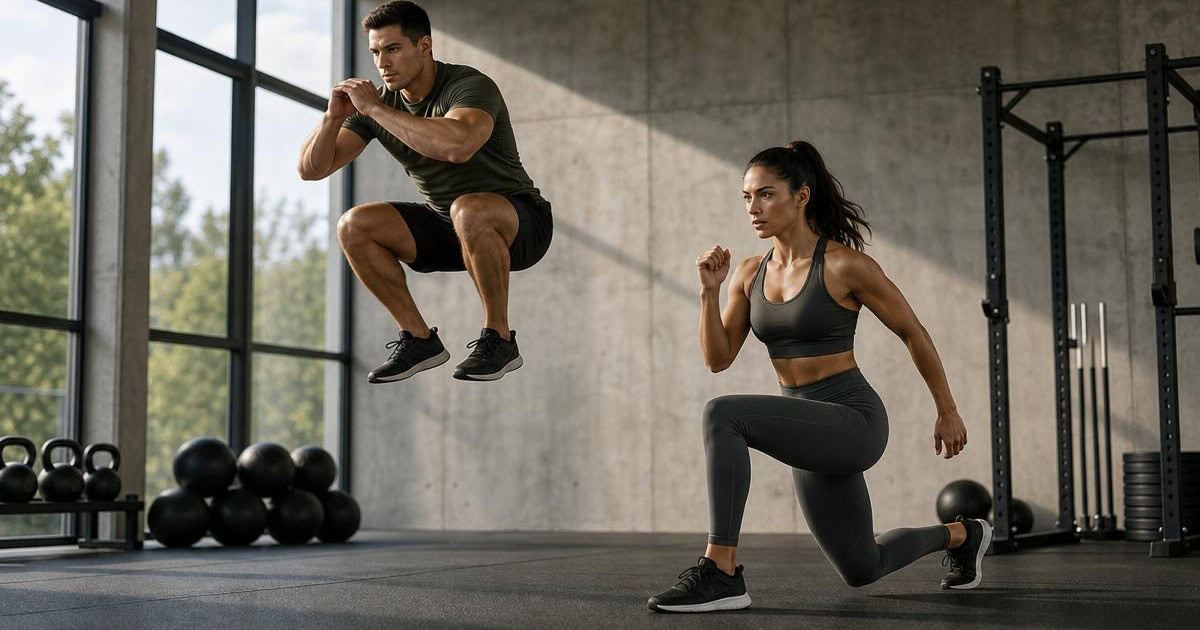
MMA-focused training transforms fight performance by building the integrated full-body strength, explosive power, rotational power, grip strength, conditioning, and unilateral leg strength that mixed martial arts demands across striking, wrestling, and grappling disciplines. MMA fighters who consistently train strength and conditioning 3 to 5 times per week alongside skill practice see measurable improvements: more powerful strikes through rotational core power and full-body coordination, stronger takedowns through unilateral leg strength and explosive power, better grappling control through grip strength and pulling capacity, longer round endurance through cardiovascular conditioning and balanced strength, more explosive movements through Olympic-style explosive lifting, better takedown defense through compound posterior chain strength, and reduced injury risk through balanced strength development. The most effective MMA-focused programs prioritize compound lower-body strength (squats), unilateral leg patterns (Bulgarian split squats) for kicking and footwork mechanics, rotational power (medicine ball throws) for striking velocity, full-body explosive power (medicine ball slams, jump squats), upper-body strength (pull-ups, rows) for grappling and clinch, posterior chain (RDLs) for kicks and takedowns, core stability (planks) for power transfer, and grip/integrated strength (farmers walks) for grappling.
Below are ten effective strength and conditioning exercises for MMA fighters that cover compound leg strength (barbell squat), unilateral leg patterns (dumbbell Bulgarian split squat), explosive power (jump squat), rotational power (medicine ball rotational throw), full-body explosive power (medicine ball overhead slam), core stability (front plank), upper-body pulling (pull-up, barbell bent over row), posterior chain (barbell Romanian deadlift), and grip/conditioning (farmers walk). Together they form a complete MMA-focused program. A 45 to 60-minute session pulled from this list, performed 3 to 5 times per week alongside skill practice, produces strong development for strikers, wrestlers, grapplers, and well-rounded MMA fighters across amateur and professional competition.
Barbell Squat

The Barbell Squat performs back squats. The compound pattern is foundational for MMA strength.
For MMA fighters, the squat is foundational. Heavy squat strength supports striking power, takedown defense, and grappling. Run it for 3 to 4 sets of 5 to 8 reps as primary leg strength work.
Set up a barbell on a rack at upper back height. Position the bar across the upper back. Step back with feet shoulder-width. Squat down by bending the knees and hips. Lower until the thighs are parallel to the floor. Drive back up through the heels. The pattern builds foundational leg strength for MMA – kicks generate from the legs, takedowns require leg drive, and grappling depends on integrated leg strength. Heavy squats build the foundational athletic capacity MMA demands across striking, wrestling, and grappling disciplines.
Dumbbell Bulgarian Split Squat
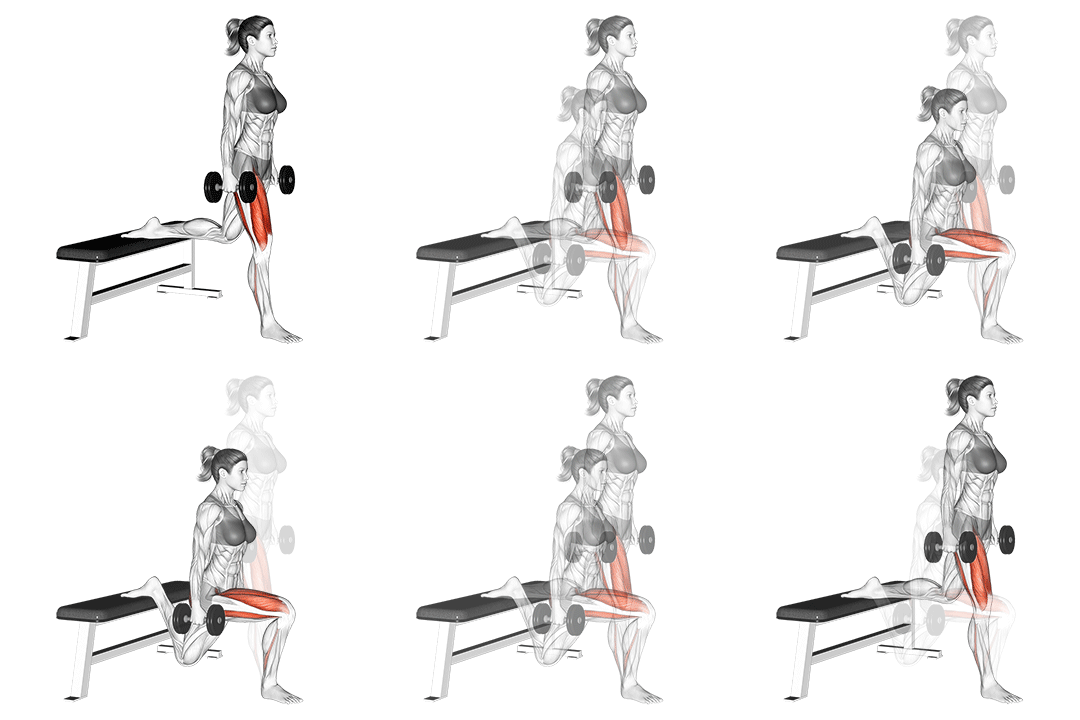
The Dumbbell Bulgarian Split Squat performs Bulgarian split squats. The unilateral pattern builds MMA-relevant unilateral strength.
For MMA fighters, Bulgarian split squats are critical unilateral work. Kicking, footwork, and many MMA movements happen on one leg. Run it for 3 sets of 8 to 10 reps per leg as unilateral work.
Stand 2 to 3 feet in front of a bench. Place the top of the rear foot on the bench behind. Hold dumbbells in each hand at the sides. Squat down by bending the front knee. Lower until the front thigh is parallel to the floor. Drive back up through the front heel. The pattern hits each leg individually with full loading – critical for MMA where kicking requires single-leg standing strength, footwork involves rapid unilateral leg loading, and many takedowns and grappling positions require unilateral leg power.
Jump Squat

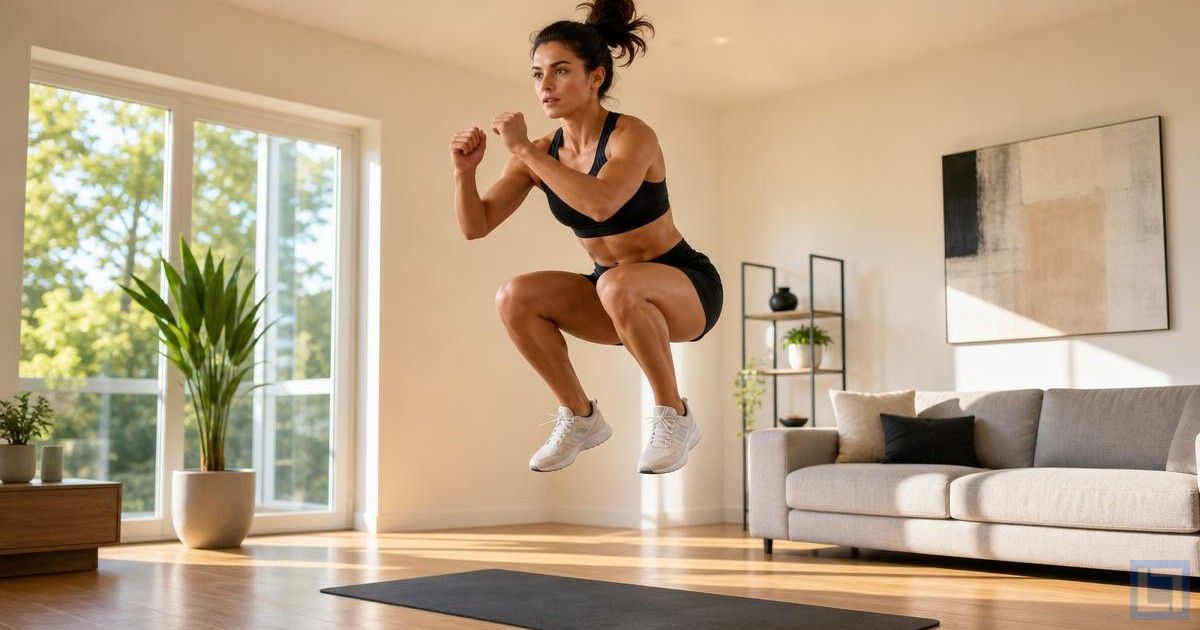
The Jump Squat performs explosive jump squats. The pattern builds explosive power for MMA.
For MMA fighters, the jump squat builds explosive power that drives takedowns, kicks, and explosive movements. Run it for 3 to 4 sets of 5 to 8 reps as explosive power work.
Stand with feet shoulder-width. Squat down by bending the knees and hips to about parallel. Drive explosively up by extending the knees and hips while jumping off the floor. Land softly with knees bent. Reset between reps for explosive intent. The pattern builds explosive lower-body power that translates to MMA – explosive takedowns, powerful kicks, and the rapid changes of position that wrestling and grappling demand all rely on explosive leg power.
Medicine Ball Rotational Throw
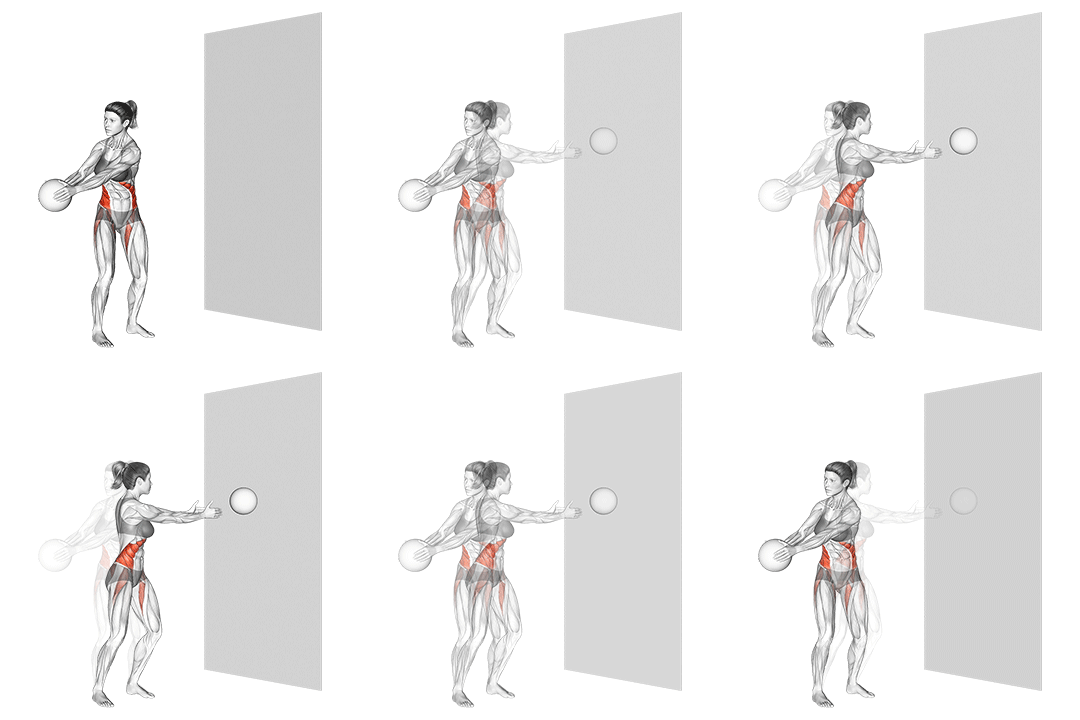
The Medicine Ball Rotational Throw performs explosive rotational throws. The pattern builds rotational power for MMA striking.
For MMA fighters, the rotational throw builds explosive rotational power that drives punches and kicks. Run it for 4 sets of 6 to 8 throws per side as primary rotational power work.
Stand sideways to a wall holding a medicine ball with both hands at chest level. Rotate the hips and torso explosively away from the wall, then reverse explosively to throw the ball into the wall. Catch the ball on rebound. The hip-driven rotational pattern mirrors the explosive rotation used in MMA striking – power generation starts at the hips and rotates through the core to the striking arm or leg. The single most effective exercise for translating gym strength to striking power.
Medicine Ball Overhead Slam

The Medicine Ball Overhead Slam performs explosive overhead slams. The pattern builds full-body explosive power for MMA.
For MMA fighters, the overhead slam builds full-body explosive power and conditioning. Run it for 3 to 4 sets of 6 to 10 slams as explosive power work.
Stand with feet shoulder-width holding a medicine ball overhead with both hands. Drive the ball down explosively to the floor by hinging forward at the hips and using the entire body. Catch the ball on the rebound (or pick it up). Reset and repeat. The pattern trains explosive vertical power through dynamic full-body coordination – excellent for MMA conditioning and the explosive full-body power that takedowns, slams, and ground-and-pound striking demand.
Front Plank
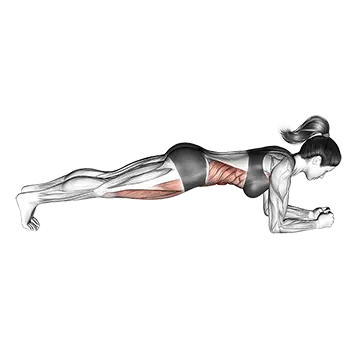
The Front Plank performs forearm plank holds. The pattern builds isometric core strength for MMA.
For MMA fighters, the plank builds the isometric core strength essential for striking power transfer and grappling stability. Run it for 3 sets of 30 to 60-second holds as primary core work.
Lie face-down on the floor. Prop up on the forearms with elbows under the shoulders. Lift the hips so the body forms a straight line from shoulders to ankles. The core works hard isometrically. Hold for the working interval. The pattern builds the isometric core strength MMA fighters need for transferring power from the legs through the core during striking, maintaining body position during grappling, and providing trunk stability for the wide variety of MMA movements.
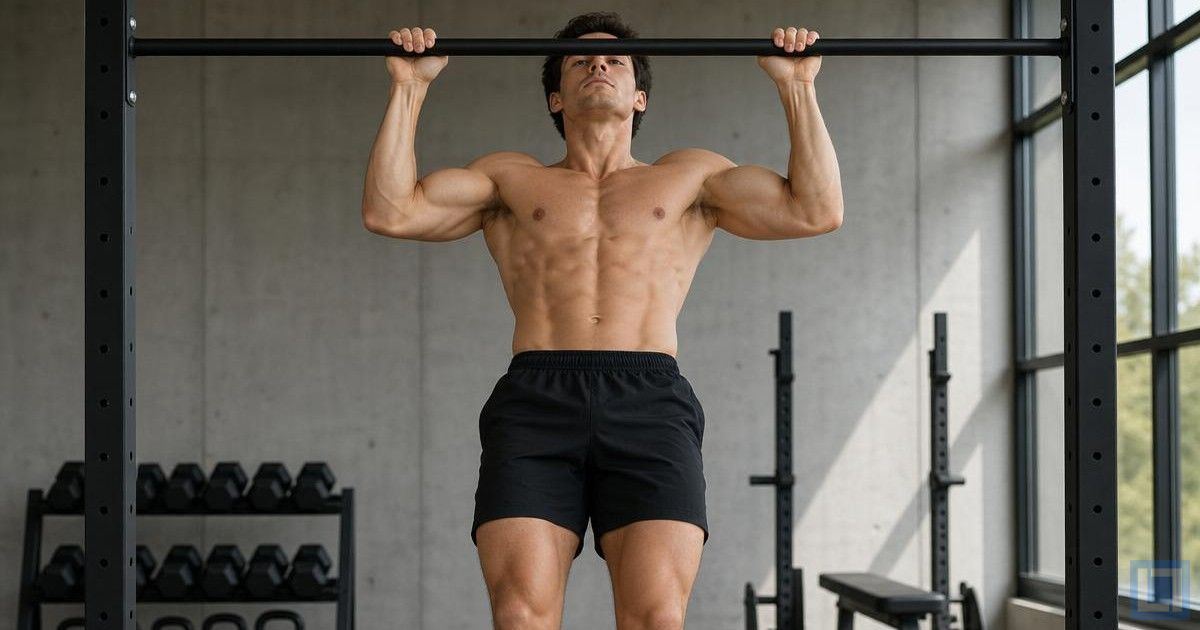
Pull Up

The Pull Up performs bodyweight pull-ups. The pattern builds upper body strength essential for MMA grappling.
For MMA fighters, pull-ups build the upper-body pulling strength essential for grappling, takedowns, and clinch work. Run it for 4 sets of 6 to 12 reps as compound upper body pulling.
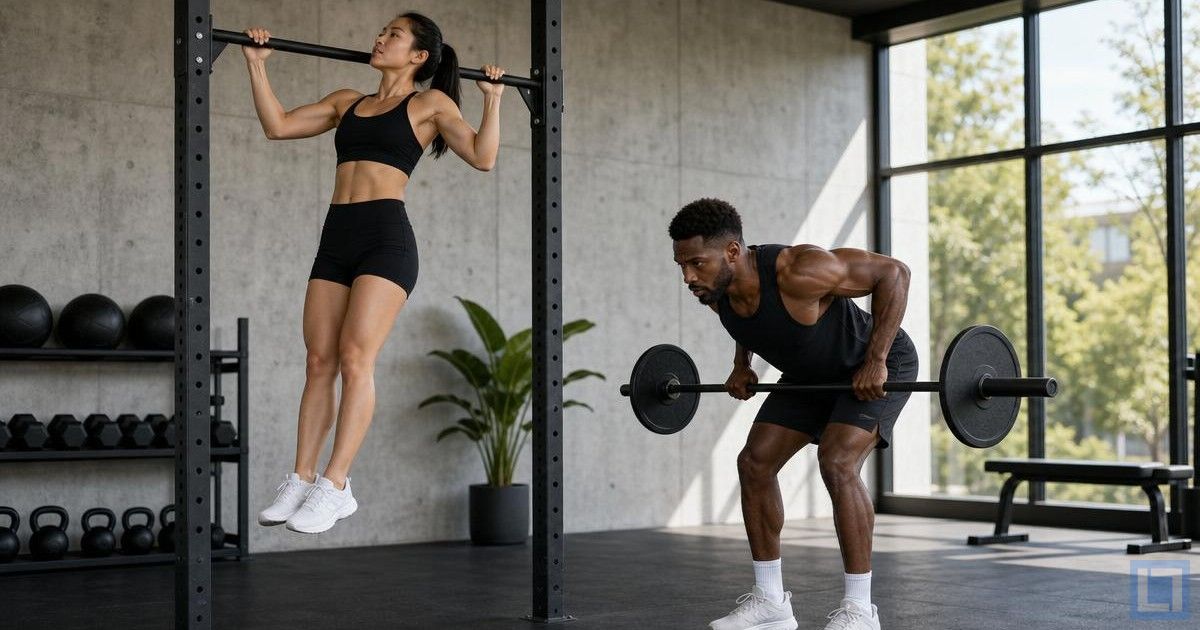
Hang from a pull-up bar with hands shoulder-width apart and palms facing away. Pull the body up by retracting the shoulder blades and pulling the elbows down toward the ribs until the chin reaches over the bar. Lower under control to full hang. The pattern builds the back, lat, and grip strength essential for MMA – grappling depends heavily on pulling capacity, takedowns require upper-body strength to control the opponent, and clinch fighting depends on pulling power and grip strength.
Barbell Bent Over Row

The Barbell Bent Over Row performs barbell rows. The pattern builds horizontal pulling strength for MMA.
For MMA fighters, the bent-over row produces compound horizontal pulling strength supporting grappling and clinch work. Run it for 3 to 4 sets of 6 to 10 reps as compound back work.
Stand with feet hip-width holding a barbell at the front of the thighs with overhand grip. Hinge forward at the hips with a flat back so the torso is at about 45 degrees. Pull the bar to the lower chest by retracting the shoulder blades and pulling the elbows back. The lats, rhomboids, mid traps, and rear delts work hard. Squeeze the shoulder blades hard at peak. Lower under control. The pattern produces compound horizontal pulling strength critical for MMA – grappling involves horizontal pulling actions, takedowns require pulling strength, and the integrated back development that bent-over rows provide supports MMA performance.
Barbell Romanian Deadlift

The Barbell Romanian Deadlift performs Romanian deadlifts. The hip-hinge pattern builds posterior chain critical for MMA.
For MMA fighters, the RDL builds posterior chain power that drives kicks, takedowns, and explosive movements. Run it for 3 sets of 6 to 10 reps as posterior chain work.
Stand with feet hip-width holding a barbell at the front of the thighs. Hinge at the hips by sending them backward while keeping the back flat and legs nearly straight. Lower the barbell along the legs until the hamstrings stretch deeply. Drive back to standing by extending the hips. The pattern builds posterior chain strength critical for MMA – kicks generate from hip extension, takedown shots require explosive hip drive, and strong hamstrings prevent the leg injuries that fighting risks. Foundational for MMA leg strength.
Farmers Walk
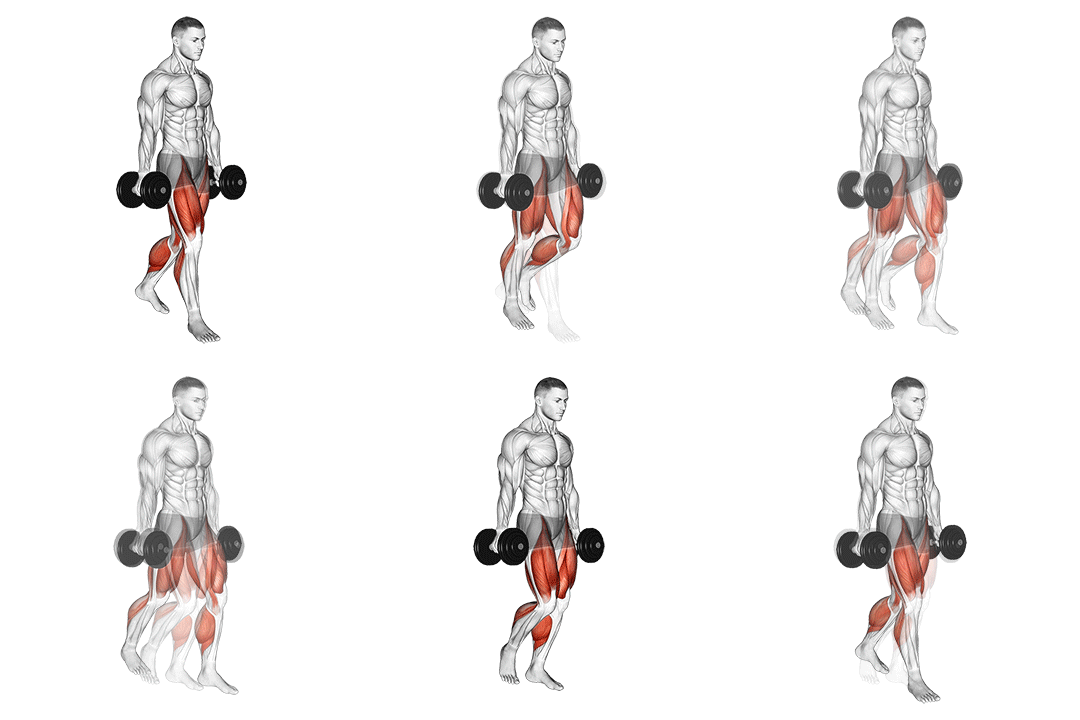
The Farmers Walk performs loaded carries. The pattern builds combined grip and core for MMA.
For MMA fighters, farmers walks build the grip strength essential for grappling, clinch, and submission defense. Run it for 4 sets of 30 to 60-second carries as combined grip/conditioning work.
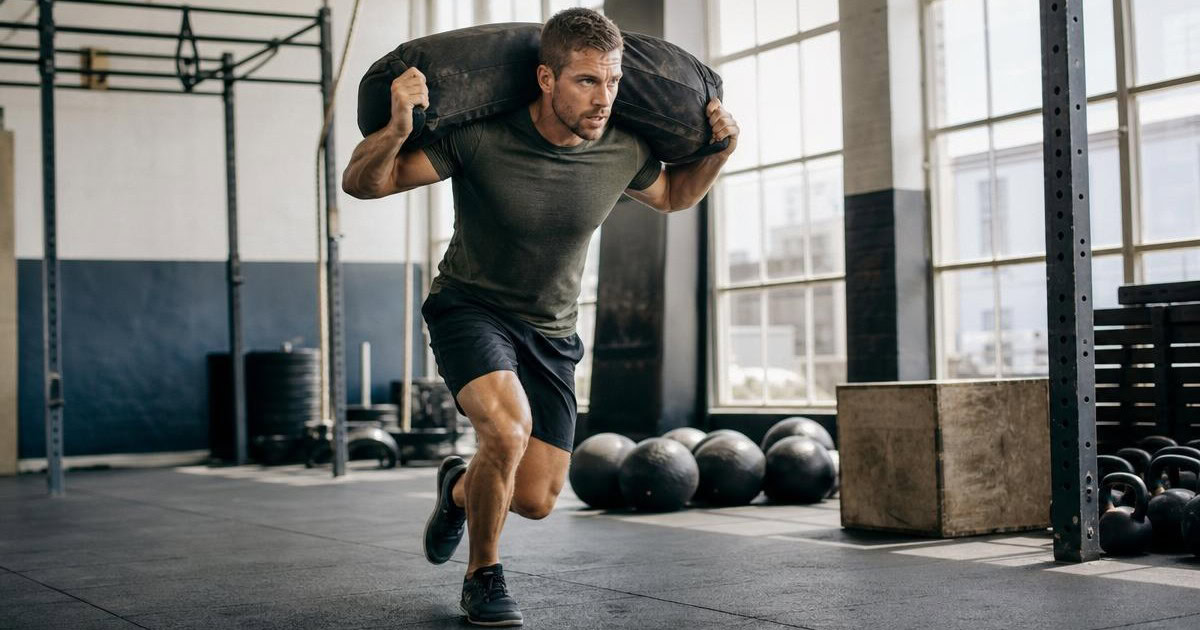
Stand holding heavy weights (dumbbells, kettlebells, or trap bar) in each hand at the sides. Walk forward with controlled steps, maintaining tall posture and tight core. Continue for the working interval. The grip, core, traps, and posterior chain all work hard isometrically. The pattern produces excellent grip and conditioning development – grip strength is critical for MMA grappling (controlling opponents, defending submissions), and farmers walks build sustained grip strength under fatigue. Excellent integrated work supporting all MMA disciplines.
How To Program These Workouts
A productive MMA-focused strength session pulls 5 to 7 exercises from the list above. A common balanced session: barbell squat (compound legs), dumbbell Bulgarian split squat (unilateral), medicine ball rotational throw (rotational power), pull-up (upper body pulling), barbell romanian deadlift (posterior chain), farmers walk (grip/conditioning). For striking power focus: medicine ball rotational throw, medicine ball overhead slam, jump squat, barbell squat, barbell romanian deadlift. For grappling focus: pull-up, barbell bent over row, farmers walk, dumbbell bulgarian split squat, barbell deadlift (substitute). Run compound strength work for 3 to 4 sets of 5 to 8 reps, rotational power for 3 to 4 sets of 6 to 8 throws per side, explosive work for 3 to 4 sets of 5 to 10 reps, upper body pulling for 3 to 4 sets of 6 to 12 reps, grip/conditioning for 3 to 4 sets of 30 to 60 seconds.
Train MMA-focused strength 3 to 5 times per week balanced with skill practice. MMA’s high training volume (skill practice, sparring, conditioning) requires careful programming. Most successful MMA strength programs structure work as: 1) 2 to 3 weekly strength sessions on lighter skill days, 2) optional supplementary conditioning sessions, 3) avoid heavy strength work day before sparring or competition. Camp phases (8 to 12 weeks before competition) emphasize sport-specific conditioning over maximum strength. Off-camp phases emphasize foundational strength building. Total weekly training load must balance strength, skill, and recovery.
For broader programming, see our best workouts for boxing and best workouts for wrestling. For specific work, see our best workouts for judo.
Final Thoughts
The best workouts for MMA deliver real fight performance improvements through strength and conditioning that targets the specific demands of mixed martial arts: compound and unilateral leg strength for striking and takedowns, rotational power for striking velocity, full-body explosive power for explosive movements, upper-body strength for grappling and clinch, posterior chain for kicks and takedowns, core stability for power transfer, and grip strength for grappling control. The combination of squats, Bulgarian split squats, jump squats, medicine ball throws, medicine ball slams, planks, pull-ups, rows, RDLs, and farmers walks covers every functional pattern of MMA and produces broader athletic development than skill practice alone would suggest. Many MMA fighters discover more powerful strikes, stronger takedowns, better grappling control, longer round endurance, and reduced injury rates within 8 to 12 weeks of adding consistent strength and conditioning work. For MMA fighters seeking better fight performance, dedicated strength and conditioning training is one of the most effective interventions available.
Stay focused on integrated strength rather than isolation work. The most common mistake MMA fighters make in strength training is over-emphasizing bodybuilding-style isolation work at the expense of integrated functional patterns. The fix: prioritize compound multi-joint movements (squats, deadlifts, pulls, presses), explosive lifts (medicine ball throws, jump squats), and integrated patterns (farmers walks, single-leg work) that transfer to fight performance. MMA demands integrated full-body strength – isolation work in moderation supports specific weak points but should never replace foundational integrated training. Combined with sport-specific skill practice, integrated strength training produces the fight performance improvements isolation training never achieves.
Frequently Asked Questions
Should MMA fighters lift weights?
Yes – MMA performance requires substantial strength and conditioning training. Modern professional MMA fighters all incorporate extensive strength training. Strength training produces: more powerful strikes, stronger takedowns, better grappling control, longer round endurance, and reduced injury rates. The myth of strength training compromising MMA performance (slowing fighters down or restricting flexibility) is misplaced – properly programmed strength work enhances fight performance while maintaining the speed and flexibility MMA requires.
How often should MMA fighters train strength?
3 to 5 sessions per week balanced with skill practice. MMA’s high training volume requires careful programming and balanced volume. Most successful programs include: 1) 2 to 3 weekly strength sessions on lighter skill days, 2) optional supplementary conditioning, 3) avoid heavy strength work day before sparring or competition. Camp phases (8 to 12 weeks before competition) emphasize sport-specific conditioning. Off-camp phases emphasize foundational strength building.
What’s the most important strength exercise for MMA?
Compound foundations and rotational power. Heavy squats build foundational leg strength supporting striking, takedowns, and grappling. Medicine ball rotational throws develop the rotational power that drives striking velocity. Combined with unilateral leg work (Bulgarian split squats), upper body pulling (pull-ups, rows), posterior chain (RDLs), and grip strength (farmers walks), these form the foundation of MMA-specific strength.
How can I hit harder in MMA?
Develop rotational core power and full-body explosive power. Medicine ball rotational throws build the explosive rotational power that drives striking velocity. Medicine ball overhead slams develop full-body explosive power. Combined with foundational compound strength (squats, RDLs), upper body strength, and dedicated striking practice, this strength program produces measurable striking power improvements within 8 to 12 weeks. The mechanism: striking power generates from the legs and rotates through the core to the striking limb.
Will lifting weights make me less flexible for MMA?
No – properly programmed MMA strength training maintains flexibility. The myth comes from improperly programmed bodybuilding-style training. Quality MMA-focused strength work prioritizes full range of motion in compound lifts, integrated movement patterns, and rotational power rather than maximum hypertrophy. MMA fighters using moderate loads with proper movement patterns typically maintain or improve flexibility while building strength. Combined with adequate mobility work and proper movement patterns, strength training enhances MMA performance.