The rectus femoris is the only quadriceps muscle that crosses both the hip and knee joints, making it unique among the four quad heads. While the vastus lateralis, vastus medialis, and vastus intermedius only produce knee extension, the rectus femoris also contributes to hip flexion. This dual function means complete rectus femoris development requires loading both knee extension and hip flexion patterns rather than just emphasizing one or the other. The rectus femoris contributes substantially to overall quad mass and athletic function.
These ten exercises cover complete rectus femoris development. Heavy compound squats (back squats, front squats, hack squats, goblet squats) build the foundation through loaded squatting that engages both knee extension and hip stabilization. Leg presses provide maximum loading. Leg extensions isolate the quads including the rectus femoris through pure knee extension. Unilateral work (Bulgarian split squats, walking lunges, step-ups) engages the rectus femoris through both knee extension and hip flexion. Jump squats train explosive function. Together they target the rectus femoris through both its functions.
Barbell Squat

The Barbell Squat performs back squats. The compound pattern develops the rectus femoris alongside the rest of the quad.
For rectus femoris development, back squats provide foundational quad loading. Run it for 3 to 4 sets of 5 to 10 reps as primary leg work.
Set up a barbell on a rack at upper back height. Position the bar across the upper back. Step back with feet shoulder-width. Squat down by bending the knees and hips. Lower until the thighs are parallel to the floor or below. Drive back up through the heels. The pattern produces heavy quadriceps loading – the rectus femoris is the only quad muscle that crosses both the hip and knee, and back squats load it through both knee extension and hip flexion components. Foundational lift for rectus femoris and overall quad development.
Barbell Front Squat

The Barbell Front Squat performs front squats. The upright pattern emphasizes the rectus femoris through deep knee flexion.
For rectus femoris development, front squats emphasize the rectus femoris through upright torso. Run it for 3 to 4 sets of 5 to 8 reps as rectus-emphasized work.
Set up a barbell at upper chest height. Position the bar across the front of the shoulders with elbows high. Step back with feet shoulder-width. Squat down while maintaining the upright torso. Drive back up through the heels. The upright torso position emphasizes the quads, and the rectus femoris in particular receives substantial loading because the deep knee flexion combined with upright torso (less hip flexion than back squats) shifts more work to the rectus. Excellent variation for rectus-emphasized quad development.
Lever Leg Extension

The Lever Leg Extension performs machine leg extensions. The pattern isolates the quadriceps including the rectus femoris through pure knee extension.
For rectus femoris development, leg extensions provide pure quad isolation. Run it for 3 to 4 sets of 12 to 15 reps as quad isolation work.
Set up at a leg extension machine with the back against the pad and lower legs behind the roller pad. Extend the knees by lifting the roller pad up until the legs are nearly straight. Squeeze the quads at the top. Lower under control. The pattern isolates the quadriceps through pure knee extension – the rectus femoris works alongside the other three quad heads. Excellent for direct rectus femoris hypertrophy because the isolation removes other muscle contribution. Use a slightly more reclined seat position to add hip flexion that further emphasizes the rectus femoris specifically.
Dumbbell Bulgarian Split Squat
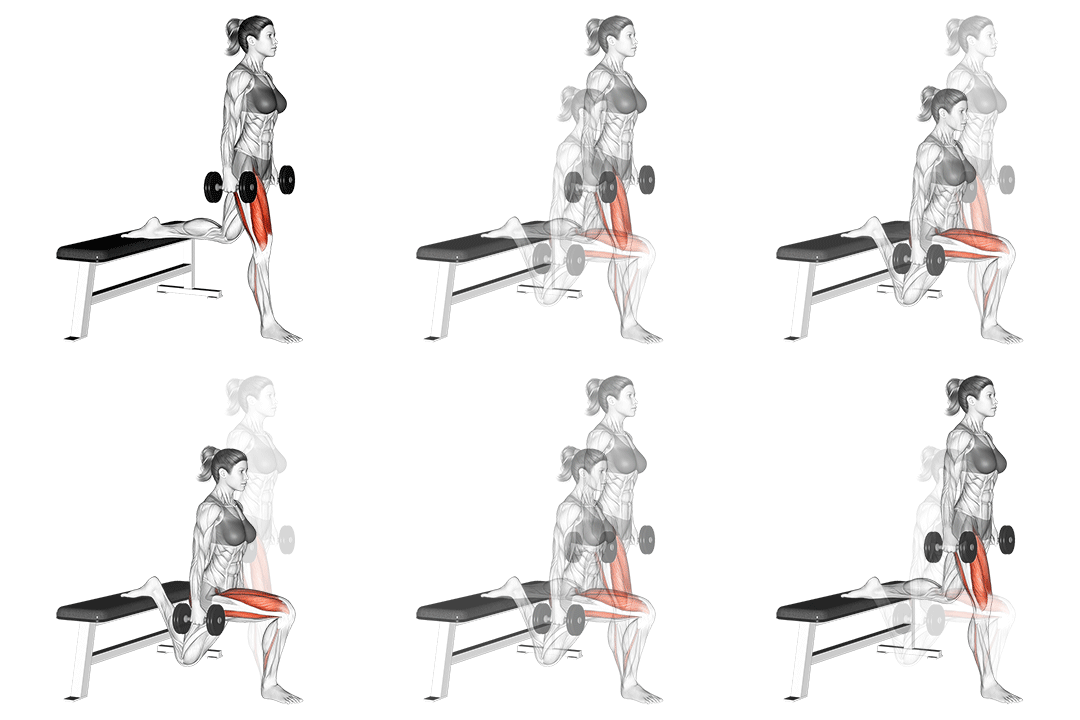
The Dumbbell Bulgarian Split Squat performs Bulgarian split squats. The unilateral pattern develops the rectus femoris through single-leg loading.
For rectus femoris development, Bulgarian split squats produce per-leg quad work. Run it for 3 sets of 8 to 12 reps per leg as unilateral work.
Stand 2 to 3 feet in front of a bench. Place the top of the rear foot on the bench behind. Hold dumbbells in each hand at the sides. Squat down by bending the front knee deeply. Drive back up through the front heel. The pattern produces intense unilateral quad loading on the front leg – the elevated rear foot transfers most of the load to the front quad, and the rectus femoris works substantially through both the knee extension and the hip flexion stabilization required to maintain the upright torso position.
Dumbbell Walking Lunge

The Dumbbell Walking Lunge performs walking lunges with dumbbells. The dynamic pattern develops the rectus femoris through movement.
For rectus femoris development, walking lunges build dynamic rectus femoris strength. Run it for 3 sets of 14 to 20 total steps as dynamic quad work.
Stand with feet hip-width holding dumbbells in each hand at the sides. Step forward with one leg into a lunge position, lowering the back knee toward the floor. Drive through the front heel to stand up while bringing the rear leg forward into the next lunge step. Continue alternating. The dynamic pattern develops the rectus femoris through movement – the front quad must work powerfully on each step, and the hip flexion component of swinging the rear leg through engages the rectus femoris specifically.
Sled 45 Degrees Wide Stance Leg Press

The Sled 45 Degrees Wide Stance Leg Press performs heavy leg presses. The pattern allows maximum quad loading including the rectus femoris.
For rectus femoris development, leg presses allow heavy progressive quad loading. Run it for 3 to 4 sets of 10 to 15 reps as primary high-load quad work.
Set up at a 45-degree leg press with feet shoulder-width on the platform. Release the safety and lower the platform by bending the knees. Lower until the knees approach the chest. Press back up through the heels. The leg press allows substantially heavier quad loading than barbell squats for most lifters. Excellent for rectus femoris because the high-volume loading drives growth, and a slightly lower foot position on the platform emphasizes the quads (including rectus femoris) over the glutes.
Jump Squat

The Jump Squat performs explosive bodyweight squats. The plyometric pattern develops fast-twitch rectus femoris function.
For rectus femoris development, jump squats develop explosive quad function. Run it for 3 sets of 6 to 10 reps as explosive work.
Stand with feet shoulder-width. Squat down to a quarter squat depth. Drive up explosively to jump straight up. Land softly with knees bent and immediately descend into the next squat. The plyometric pattern develops explosive quad function – the rectus femoris and other quad muscles must produce force rapidly. Excellent for complete rectus femoris development across the strength-power spectrum, complementing heavy loaded work with explosive loading.
Dumbbell Step Up

The Dumbbell Step Up performs step-ups onto a box. The unilateral pattern engages the rectus femoris through powerful single-leg drive.
For rectus femoris development, step-ups build unilateral quad strength. Run it for 3 sets of 8 to 12 reps per leg as functional quad work.
Stand in front of a sturdy box or bench (knee height). Hold dumbbells in each hand. Step up onto the box with one foot, driving through the heel to bring the body up. Step the other foot up onto the box. Step back down with control, leading with the same foot. Switch legs. The pattern develops unilateral quad strength – the front quad (including rectus femoris) must produce all the force to lift the body weight up. The hip flexion at the start of each step also engages the rectus femoris specifically.
Dumbbell Goblet Squat
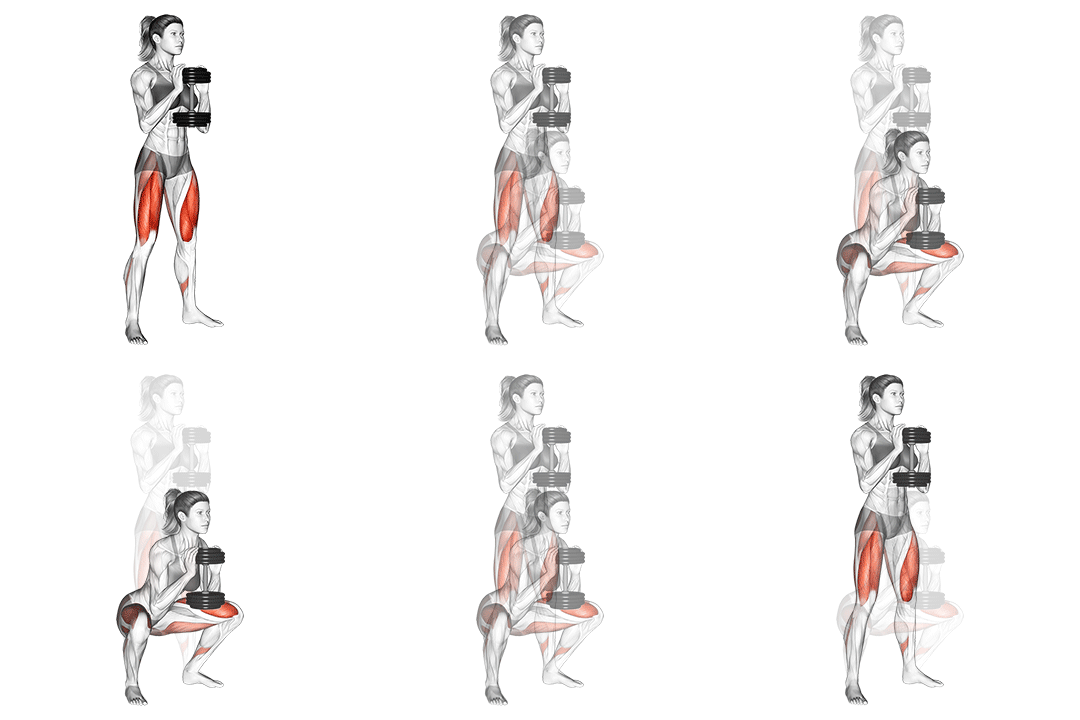
The Dumbbell Goblet Squat performs squats with a dumbbell at the chest. The pattern provides accessible loaded quad work.
For rectus femoris development, goblet squats provide accessible loaded squatting. Run it for 3 sets of 10 to 15 reps as accessible quad work.
Stand with feet shoulder-width holding a dumbbell at the chest with both hands. Squat down by bending the knees and hips, keeping the torso upright. Lower until the thighs are parallel to the floor or below. Drive back up through the heels. The dumbbell at the chest forces upright torso similar to front squats, emphasizing quad loading including the rectus femoris. Excellent variation for those building up to heavy barbell squats or needing accessible loaded squat variations for warm-up or higher-rep work.
Barbell Hack Squat

The Barbell Hack Squat performs hack squats with a barbell. The pattern targets the quads including the rectus femoris through specific loading.
For rectus femoris development, hack squats provide quad-focused loading. Run it for 3 sets of 8 to 12 reps as quad-isolation work.
Stand with a barbell behind the calves. Squat down to grip the bar with hands shoulder-width, palms facing back. Drive through the heels to stand up while keeping the bar against the back of the legs. Lower under control. The pattern produces quad-emphasized squatting because the bar position behind the body shifts the load forward over the quads. Excellent variation alongside back and front squats because the different bar position creates different recruitment emphasis on the rectus femoris and other quad muscles.
How To Program These Workouts
Rectus femoris development integrates into general quad training – dedicated rectus femoris isolation is rarely needed because the muscle works with the other quad heads through most leg exercises. Train legs 2 to 3 times per week with total volume of 12 to 20 working sets across compound, isolation, and unilateral work.
Structure quad training to emphasize the rectus femoris. Sample week: Day 1 – back squat, front squat, leg extension, walking lunges. Day 2 – leg press, Bulgarian split squats, step-ups, jump squats. Use 3 to 4 sets of 5 to 8 reps for heavy compound work, 3 to 4 sets of 10 to 15 reps for hypertrophy work, 3 sets of 12 to 15 reps for isolation work. Include front squats and leg extensions for rectus femoris emphasis specifically.
Progressive overload drives quad growth – add weight or reps when current loading becomes manageable. The rectus femoris responds well to varied rep ranges and combined knee extension and hip flexion loading. Visible quad development typically takes 12 to 24 weeks of consistent dedicated leg work with progressive loading. Quality unilateral and explosive work alongside the heavy compound foundation produces the most complete rectus femoris development.
Final Thoughts
These ten exercises cover the complete rectus femoris development toolkit. The heavy compound squats build the foundation through loaded squatting. The leg press provides maximum loading. The leg extension isolates the quads. The unilateral work loads the rectus femoris through both knee and hip functions. The plyometric work develops explosive function. Together they produce the rectus femoris development that complete quad training demands.
Building substantial rectus femoris development requires consistent heavy work over months and years as part of complete quad training. The rectus femoris contributes substantially to overall quad mass and benefits from both bilateral squatting work and unilateral exercises that load both its knee extension and hip flexion functions. Quality leg training that addresses both functions produces the rectus femoris development that distinguishes complete quad work from token leg training.
Frequently Asked Questions
What is the rectus femoris?
The rectus femoris is one of the four quadriceps muscles – specifically the one running down the middle of the front of the thigh. It is the only quad muscle that crosses both the hip and knee joints, meaning it produces both knee extension and hip flexion. This dual function makes it unique among the quad heads.
How is rectus femoris different from other quad muscles?
The other three quad muscles (vastus lateralis, vastus medialis, vastus intermedius) only cross the knee joint and only produce knee extension. The rectus femoris also crosses the hip joint and contributes to hip flexion. This means the rectus femoris needs both knee extension and hip flexion loading for complete development.
Are special exercises needed for rectus femoris?
Not really – the rectus femoris works with the other quad muscles through most leg exercises. However, exercises that load both knee extension and hip flexion (Bulgarian split squats, walking lunges, step-ups, front squats with their upright torso) emphasize the rectus femoris more than exercises that only load knee extension. Complete leg training naturally develops the rectus femoris.
Can the rectus femoris be trained for hip flexion?
Yes – hip flexion exercises (knee raises, leg raises, hanging leg raises) load the rectus femoris through its hip function. However, these exercises also involve the iliopsoas (the primary hip flexor) and don’t isolate the rectus femoris specifically. Most lifters get sufficient rectus femoris hip flexion loading from squats and unilateral leg work without dedicated hip flexion exercises.
Does the rectus femoris affect knee health?
Yes – the rectus femoris contributes to knee tracking and stability alongside the other quad muscles. Strong, well-developed rectus femoris helps support knee function during squatting, jumping, and running. Imbalanced quad development (strong vastus lateralis, weak vastus medialis, or chronic rectus femoris tightness from sitting) can affect knee health. Balanced quad development supports knee function.