Bodyweight lower back training produces real lower back strength and resilience through patterns that load the spinal erectors and posterior chain effectively without weights: Superman variations for direct extension loading, bird dog patterns for stability and anti-rotation work, hyperextension variations for hip-hinge mass work, good morning patterns for hip-hinge mechanics, and reverse hyper variations for combined glute and lower back loading. The format works particularly well for the lower back because the muscle group’s primary functions (spinal extension, rotational stability, hip-hinge stabilization) all respond well to bodyweight loading patterns, and most lower back issues stem from weakness rather than insufficient maximum strength. Most lifters who consistently train bodyweight lower back work 1 to 2 times per week alongside compound lifting see measurable lower back strength improvements, reduced lower back pain from sitting and lifting, better deadlift and squat performance through stronger spinal stability, and improved athletic posture within 6 to 10 weeks. The combination of Supermans, bird dogs, hyperextensions, and posterior chain patterns produces broader lower back development than any single exercise approach.
Below are ten effective bodyweight lower back exercises that cover Superman variations (Superman, alternating Superman, around the world Superman, twist Superman), stability work (bird dog), hyperextension patterns (hyperextension, lying floor hyperextension, reverse hyper on flat bench), good morning mechanics (bodyweight good morning), and combined upper-and-lower back work (prone cobra palms under thighs). Together they form a complete bodyweight lower back program that hits the lower back through every available bodyweight pattern. A 15 to 25-minute session pulled from this list, performed 1 to 2 times per week, produces strong lower back development and resilience for general fitness, lifting performance, and injury prevention.
Superman
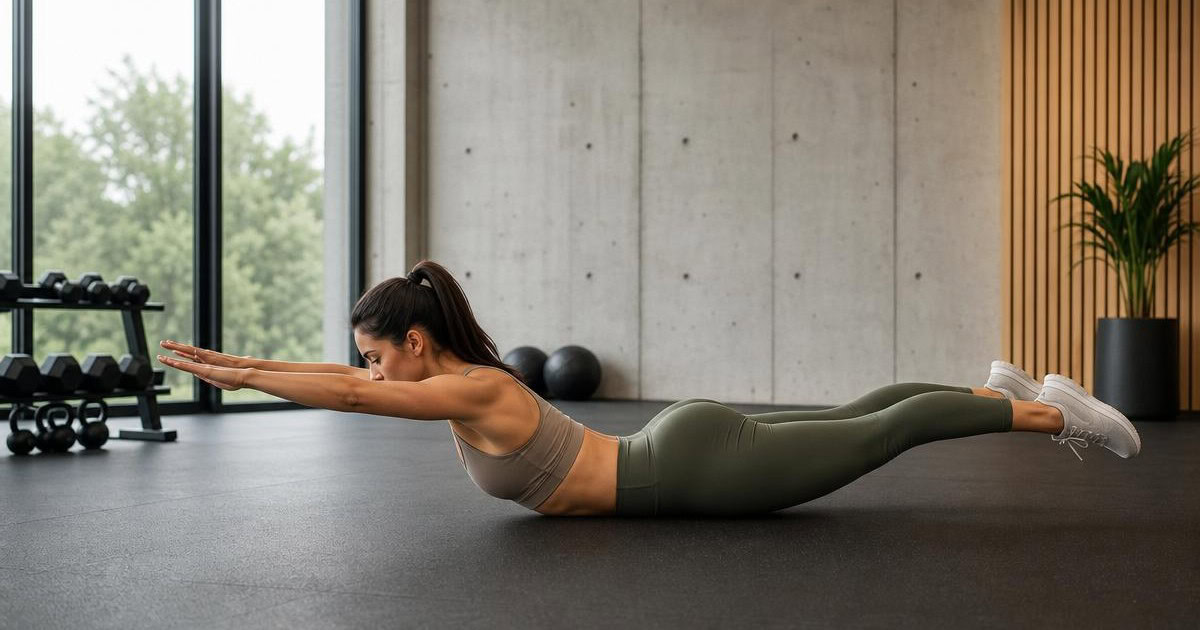
The Superman performs lying back extension lifting the chest, arms, and legs off the floor simultaneously. The pattern produces direct lower back, glute, and hamstring loading through full posterior chain extension.
For bodyweight lower back training, the Superman is the foundational lower back exercise. The pattern hits the lower back through full posterior chain extension. Run it for 3 to 4 sets of 10 to 15 reps as primary lower back work in any bodyweight lower back session.
Lie face-down on the floor with arms extended overhead and legs extended straight. Lift the chest, arms, and legs off the floor simultaneously by contracting the lower back, glutes, and hamstrings. Hold briefly at the top with the body forming a Superman flying position. Lower under control. The motion should feel like a full posterior chain contraction. Use slow controlled tempo to maximize lower back loading.
Alternating Superman

The Alternating Superman performs Superman extensions with alternating opposite arm and leg lifts. The pattern produces unilateral lower back loading combined with rotational stability work.
For bodyweight lower back training, the alternating Superman produces combined lower back and rotational stability work. The pattern hits each side of the lower back individually. Run it for 3 sets of 10 to 12 reps per side as combined lower back and stability work.
Lie face-down on the floor with arms extended overhead and legs extended. Lift the right arm and left leg simultaneously off the floor while keeping the head and torso stable. Hold briefly at the top. Lower under control. Lift the left arm and right leg next. Continue alternating. The opposite-side lifting produces strong rotational lower back stability work along with the extension loading.
Bird Dog
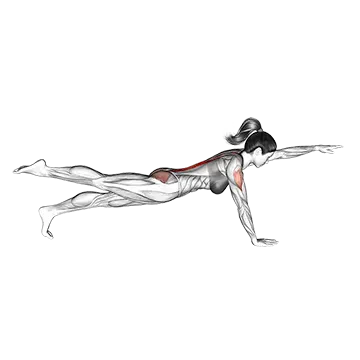
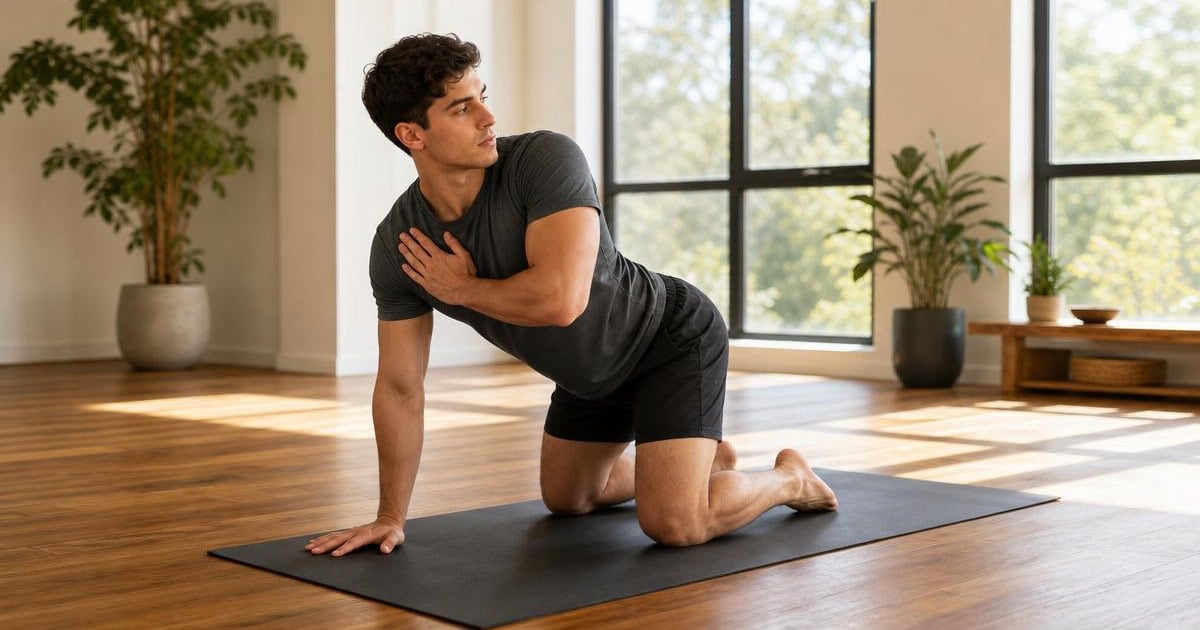
The Bird Dog performs alternating opposite arm and leg extensions from a quadruped position. The pattern produces strong lower back stability and combined core loading.
For bodyweight lower back training, the bird dog is one of the most effective lower back stability exercises that exists. The pattern hits the lower back through controlled extension plus anti-rotation core work. Run it for 3 sets of 10 to 12 reps per side as primary lower back stability work.
Set up on hands and knees in a quadruped position. The hands should be under the shoulders and knees under the hips. Extend the right arm forward and the left leg back simultaneously while maintaining a flat back and stable core. Hold briefly at full extension. Return to start under control. Switch sides. The pattern produces strong lower back stability through resisting rotation while the limbs extend.
Hyperextension

The Hyperextension performs back extension motion using bodyweight on a flat surface or hyperextension bench. The pattern produces strong direct lower back loading through hip-hinge motion.
For bodyweight lower back training, the hyperextension produces strong direct lower back loading. The pattern hits the lower back through hip-hinge motion. Run it for 3 sets of 12 to 15 reps as primary lower back mass work.
Set up on a hyperextension bench (or improvise on a sturdy elevated surface) with the hips on the pad and the heels secured under foot pads. Hinge forward at the hips by bending at the waist while keeping the back flat. Lower the torso until the lower back stretches deeply. Drive back up to neutral by extending the hips and squeezing the lower back, glutes, and hamstrings hard. The pattern produces strong combined posterior chain loading.
Lying Floor Hyperextension

The Lying Floor Hyperextension performs hyperextension motion lying flat on the floor with arms reaching forward. The pattern produces accessible lower back loading without specialized equipment.
For bodyweight lower back training, the lying floor hyperextension produces accessible lower back work. The floor position is widely available. Run it for 3 sets of 12 to 15 reps as accessible lower back mass work.
Lie face-down on the floor with arms extended overhead and legs extended. Lift the chest off the floor by contracting the lower back, keeping the legs and hips down. Hold briefly at the top. Lower under control. The motion isolates the lower back muscles through pure spinal extension. Use slow controlled tempo. The pattern is accessible to lifters without hyperextension benches.
Bodyweight Good Morning

The Bodyweight Good Morning performs hip-hinge good morning motion without external load. The pattern produces hip-hinge mechanics training combined with combined hamstring, glute, and lower-back work.
For bodyweight lower back training, the bodyweight good morning produces strong hip-hinge mechanics training. The pattern hits the lower back through hip-hinge motion plus posterior chain loading. Run it for 3 sets of 10 to 15 reps as combined hamstring and lower-back work.
Stand with feet hip-width and hands behind the head or crossed at the chest. Hinge at the hips by sending them backward while keeping the back flat. Lower the torso forward until it approaches parallel to the floor (or as far as flexibility allows with neutral spine). Drive back to standing by extending the hips. The motion teaches proper hip-hinge mechanics that transfer to deadlifts, swings, and other compound exercises while building lower back endurance.
Prone Cobra Palms Under Thighs

The Prone Cobra Palms Under Thighs performs lying back extension with hands placed palms-up under the thighs. The hand position adds challenge to the lower back work.

For bodyweight lower back training, the prone cobra produces combined upper and lower back work. The pattern hits the entire spinal erector chain. Run it for 3 sets of 10 to 12 reps as combined back extension work.
Lie face-down on the floor with arms extended along the sides and palms facing up under the thighs. Lift the chest and head off the floor by contracting the entire back chain (upper back through lower back). Squeeze the shoulder blades together at the top. Hold briefly at the top. Lower under control. The hand position shifts emphasis to the upper back along with the lower back work, producing combined spinal erector loading.
Around the World Superman

The Around the World Superman performs Superman extensions with the arms moving in circular patterns around the body. The pattern produces dynamic lower back stability work combined with shoulder mobility.
For bodyweight lower back training, the around the world Superman produces combined lower back and shoulder mobility work. The pattern hits the lower back through extension with dynamic arm motion. Run it for 3 sets of 6 to 8 cycles as advanced lower back and shoulder work.
Lie face-down on the floor with arms extended overhead. Lift the chest, arms, and legs off the floor in Superman position. While maintaining the lifted position, move the arms in a circular path: from overhead, out to the sides at shoulder height, back to the hips, and back to overhead. Each cycle is a complete around-the-world. The dynamic arm motion challenges the lower back to maintain extension throughout while adding shoulder mobility work.
Reverse Hyper on Flat Bench
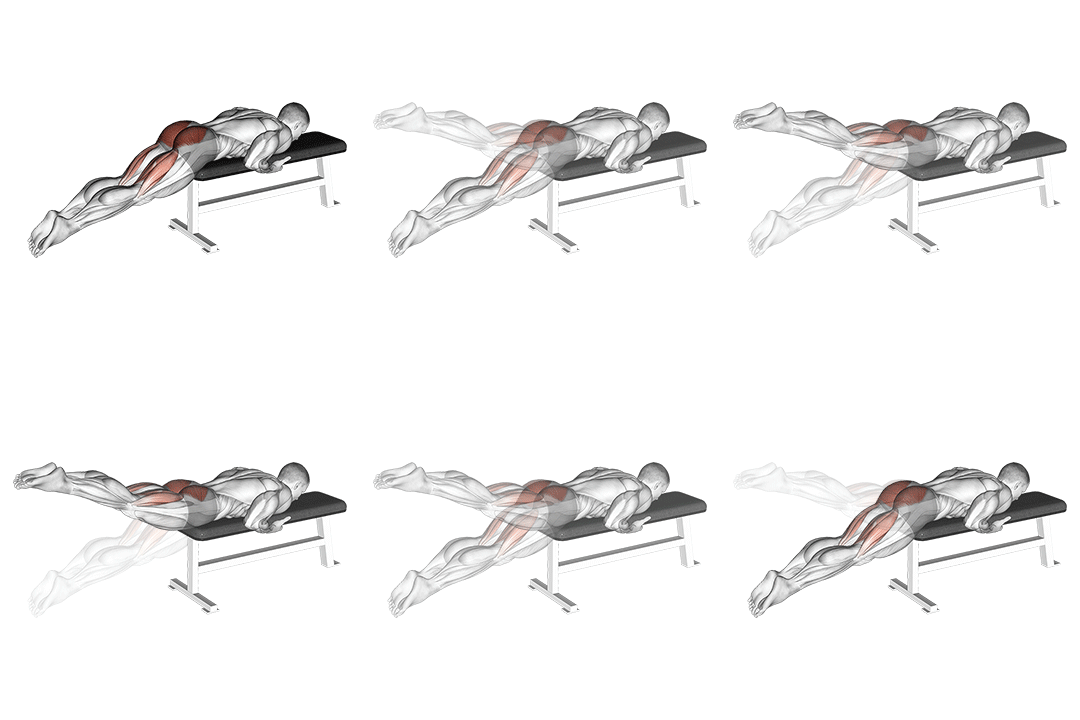
The Reverse Hyper on Flat Bench performs reverse hyper motion lying face-down on a flat bench with the legs hanging off. The pattern produces direct lower back, glute, and hamstring loading through hip extension.
For bodyweight lower back training, the reverse hyper produces strong combined lower back and glute work. The pattern hits the lower back and posterior chain through reverse hip extension. Run it for 3 sets of 12 to 15 reps as combined posterior chain work.
Lie face-down on a flat bench with the hips at the edge and the legs hanging straight down off the bench. Hold the bench for stability. Lift both legs up behind the body by contracting the lower back, glutes, and hamstrings until the legs are parallel to the floor (or higher for advanced). Hold briefly at the top. Lower under control. The reverse hyper motion produces strong combined posterior chain loading with minimal spinal compression.
Twist Superman

The Twist Superman performs Superman extensions with rotational twisting motion at the top. The pattern produces combined lower back extension and rotational stability work.
For bodyweight lower back training, the twist Superman produces combined extension and rotational work. The pattern hits the lower back through extension plus rotational stability. Run it for 3 sets of 6 to 8 reps per side as advanced combined work.
Lie face-down on the floor with arms extended overhead. Lift the chest, arms, and legs in Superman position. From the lifted position, rotate the torso to one side as far as possible while maintaining the lifted limbs. Hold briefly at the rotated position. Return to neutral Superman. Rotate to the other side. Continue alternating rotations. The pattern produces strong combined lower back and oblique work.
How To Program These Workouts
A productive bodyweight lower back session pulls 4 to 6 exercises from the list above based on training goals. A common balanced session: Superman (mass), bird dog (stability), hyperextension (hip-hinge), bodyweight good morning (mechanics), reverse hyper on flat bench (posterior chain). For stability focus: bird dog, alternating Superman, twist Superman, around the world Superman. Run extension work for 3 sets of 10 to 15 reps with controlled tempo, stability work for 3 sets of 10 to 12 reps per side, hyperextension work for 3 sets of 12 to 15 reps, and dynamic combined patterns for 3 sets of 6 to 10 reps per side. Total session covers 12 to 18 working sets focused on lower back development.
Train bodyweight lower back work 1 to 2 times per week as part of broader training programming. The lower back recovers reasonably quickly between sessions but accumulates fatigue from compound lifting (squats, deadlifts) that already activates it substantially. Most successful programs include bodyweight lower back work either: 1) at the end of a leg day after compound deadlifts, 2) on a dedicated core and posture day, or 3) as warm-up activation before lifting sessions. Some lifters with desk jobs benefit from daily light bodyweight lower back work for posture and pain reduction. Keep training time under 20 to 25 minutes per session.
For broader back programming, see our best lower back workouts and best at home back workouts. For specific posterior chain work, see our best posterior chain workouts.
Final Thoughts
The best bodyweight lower back workouts deliver real lower back strength and resilience through patterns that effectively load the spinal erectors and posterior chain without weights. The combination of Superman variations, bird dog stability work, hyperextension patterns, good morning mechanics, and combined back work covers every functional pattern of the lower back and produces broader development than any single exercise approach. For lifters who want to reduce lower back pain from sitting or lifting, want to build foundational lower back strength for compound lifts, want to develop spinal extension and rotational stability for athletic performance, or want to add accessible lower back work to existing programs, dedicated bodyweight lower back work is one of the most effective options available.
Stay focused on slow controlled tempo and proper hip-hinge mechanics. The most common bodyweight lower back training mistakes include rushing through Superman reps without full muscle contraction (which limits lower back loading) and using lower back compensation rather than hip-hinge mechanics on good morning variations. The fix: use slow controlled tempo on every Superman and hyperextension rep with brief peak contraction holds, and on good morning patterns, focus on hinging at the hips while maintaining a flat back rather than rounding the lower back. Quality reps with proper mechanics produce stronger lower back development than mindless volume.
Frequently Asked Questions
Are bodyweight exercises enough for lower back development?
Yes for most lifters. Bodyweight lower back exercises produce real lower back strength, resilience, and mass through Superman variations, bird dogs, hyperextensions, good morning patterns, and reverse hypers. The lower back’s primary functions (spinal extension, rotational stability, hip-hinge stabilization) all respond well to bodyweight loading. Many lifters build excellent lower back strength through dedicated bodyweight training. Most successful programs include bodyweight work alongside compound lifting that activates the lower back as a stabilizer.
Will bodyweight lower back workouts help my deadlift?
Yes substantially. The lower back functions as a primary stabilizer during deadlifts, and bodyweight lower back work builds the spinal extension strength and endurance that deadlifts require. Most successful deadlift programs include lower back accessory work (Supermans, hyperextensions, good mornings) as part of overall programming. Lifters who add 1 to 2 weekly bodyweight lower back sessions typically see deadlift form quality improve substantially within 6 to 10 weeks, often translating to better positional strength and reduced lower back fatigue.
Are Supermans safe for the lower back?
Yes when performed with proper form. Supermans produce direct lower back extension loading, which is healthy for the lower back when done with controlled tempo and within comfortable range of motion. Lifters should avoid hyperextending beyond comfort and avoid rapid jerky movements. Most successful programs include Supermans as foundational lower back work, typically in the 10 to 15 rep range with slow controlled tempo. If you have existing lower back pain, start with bird dogs (which add stability) before progressing to Supermans.
How often should I train lower back with bodyweight?
One to two sessions per week works for most lifters. The lower back recovers reasonably quickly but accumulates fatigue from compound lifting that activates it substantially. Most successful programs include bodyweight lower back work either at the end of a leg day, on a dedicated core day, or as warm-up activation. Some lifters with desk jobs benefit from daily light bodyweight lower back work for posture and pain reduction. Three or more weekly heavy lower back sessions can produce overuse issues.
Can bodyweight workouts fix lower back pain?
Often yes for muscle-weakness-related lower back pain. Many cases of lower back pain stem from weak lower back muscles, weak glutes, and poor hip-hinge mechanics rather than structural issues. Bodyweight lower back workouts that strengthen the spinal erectors, glutes, and core, plus teach proper hip-hinge mechanics, can substantially reduce or eliminate this type of pain within 8 to 12 weeks. Severe or persistent lower back pain warrants medical evaluation before starting any exercise program. Most successful programs combine lower back strengthening with hamstring stretching and hip mobility work.