Are you tired of going to the gym and waiting in line for the back machines? Or maybe you just prefer the comfort and convenience of working out at home. Whatever your reason may be, there are plenty of effective back workouts that you can do in the comfort of your own home. In fact, some of the best back exercises can be done with little to no equipment at all.We explore the top at-home back workouts that will help you build a strong and defined back. From bodyweight exercises to resistance band workouts, we will cover a variety of exercises that will target your upper, middle, and lower back muscles. So,
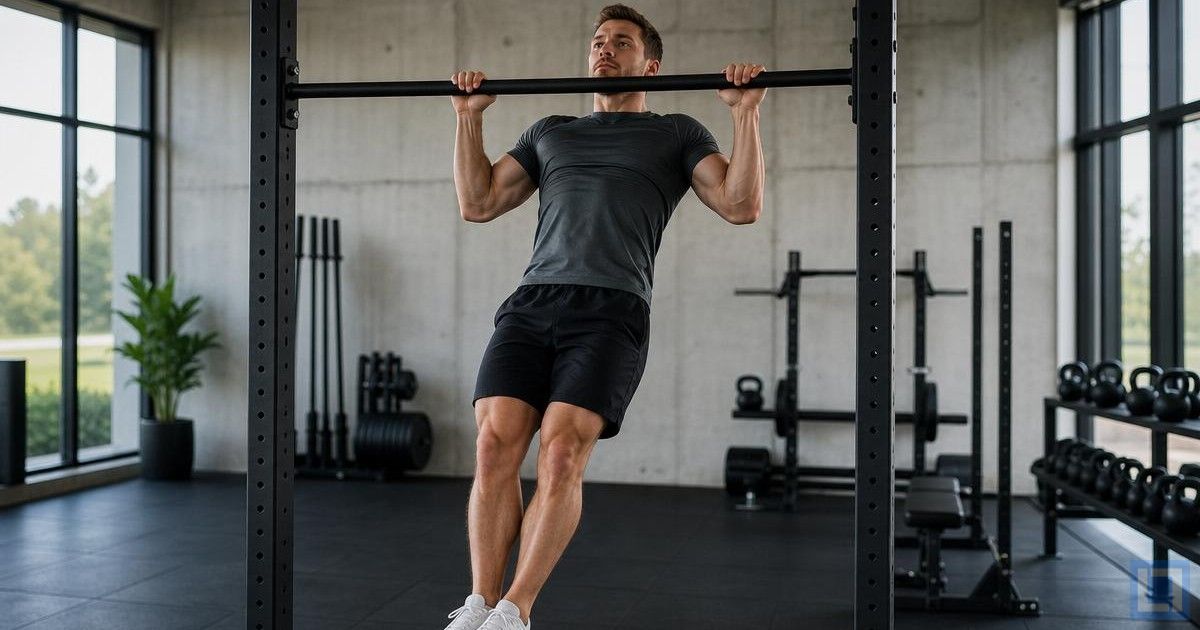
Pull-ups or Chin-ups using a Doorway Pull-up Bar
Pull-ups and chin-ups are bodyweight exercises that target the upper body, specifically the back, shoulders, and arms. Using a doorway pull-up bar is a convenient and effective way to perform these exercises at home.To do a pull-up, grip the bar with your palms facing away from you and your hands shoulder-width apart. Hang from the bar with your arms fully extended and your feet off the ground. Pull your body up towards the bar until your chin is above the bar, then lower yourself back down to the starting position.To do a chin-up, grip the bar with your palms facing towards you and your hands shoulder-width apart. Hang from the bar with your arms fully extended and your feet off the ground. Pull your body up towards the bar until your chin is over the bar, then lower yourself back down to the starting position.The benefits of pull-ups and chin-ups are numerous. They improve upper body strength, increase muscle mass in the back, shoulders, and arms, and improve grip strength. They also engage the core muscles, helping to improve overall stability and balance.Using a doorway pull-up bar is a convenient way to perform these exercises at home, without the need for a gym membership or expensive equipment. It is important to start with a comfortable number of repetitions and gradually increase the number as your strength improves.
Bent-over Dumbbell Rows
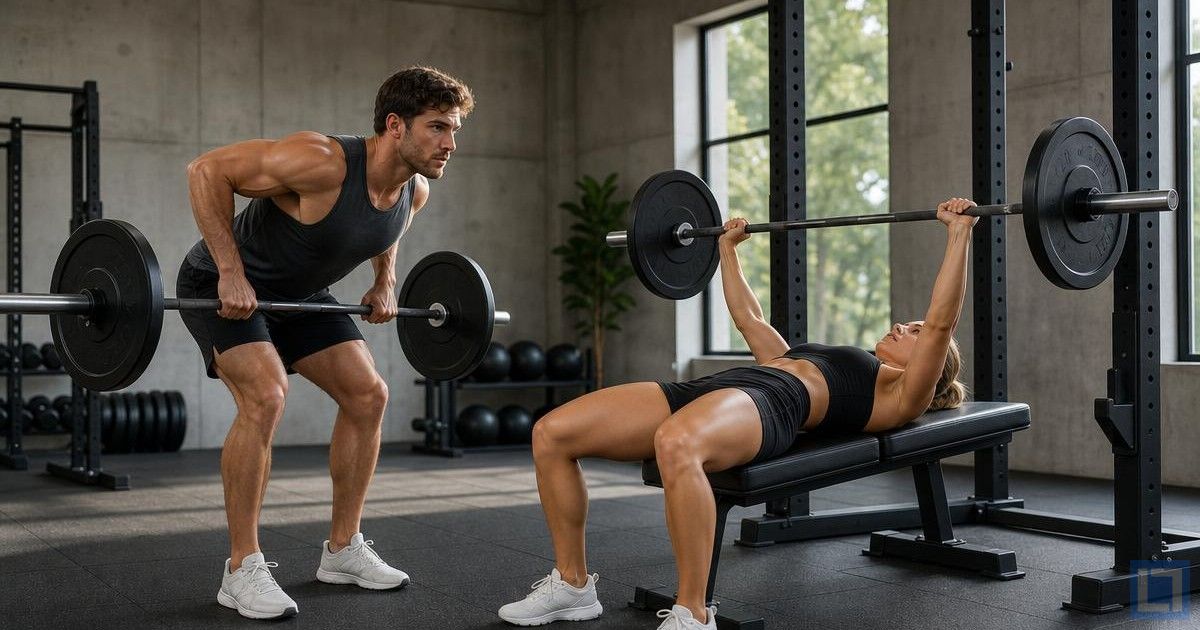
Bent-over dumbbell rows are a compound exercise that primarily targets the muscles of the upper back, including the latissimus dorsi, rhomboids, and trapezius. This exercise also engages the biceps, forearms, and core muscles.To perform bent-over dumbbell rows, start by standing with your feet shoulder-width apart and holding a dumbbell in each hand. Hinge forward at the hips, keeping your back straight and your core engaged. Your arms should be hanging straight down towards the floor, with your palms facing your body.Next, pull the dumbbells up towards your chest, keeping your elbows close to your body. Squeeze your shoulder blades together at the top of the movement, then slowly lower the weights back down to the starting position.Bent-over dumbbell rows are a great exercise for improving posture and strengthening the muscles of the upper back. They can also help to improve grip strength and increase overall upper body strength. Additionally, this exercise can be modified to target different areas of the back by adjusting the angle of the torso or the grip on the dumbbells.
Single-arm dumbbell rows
Single-arm dumbbell rows are a great exercise for targeting the muscles in your back, specifically your lats, rhomboids, and traps. This exercise can be done with a dumbbell or kettlebell and can be performed in a standing or bent-over position.To perform a single-arm dumbbell row, start by standing with your feet shoulder-width apart and holding a dumbbell in one hand. Bend your knees slightly and hinge forward at the hips, keeping your back straight and your core engaged. Your non-working arm can be placed on a bench or your thigh for support.Next, pull the dumbbell up towards your chest, keeping your elbow close to your body and squeezing your shoulder blades together at the top of the movement. Lower the weight back down to the starting position and repeat for the desired number of reps before switching sides.The benefits of single-arm dumbbell rows include improved posture, increased back strength and stability, and better overall upper body strength. This exercise can also help to prevent injuries and improve your performance in other exercises, such as pull-ups and deadlifts.
Renegade Rows with Dumbbells or Kettlebells
Renegade rows are a challenging exercise that targets multiple muscle groups, including the back, shoulders, and core. To perform this exercise, start in a plank position with your hands gripping a pair of dumbbells or kettlebells. Your feet should be shoulder-width apart, and your body should form a straight line from your head to your heels.From this position, lift one weight off the ground and pull it up towards your chest, keeping your elbow close to your body. Lower the weight back down to the ground and repeat on the other side. This is one rep.Renegade rows require a lot of stability and control, making them an excellent exercise for improving core strength and balance. They also target the muscles in your upper back and shoulders, helping to improve posture and reduce the risk of injury.To get the most out of this exercise, focus on keeping your hips level and your core engaged throughout the movement. Start with a lighter weight and work your way up as you become more comfortable with the exercise.
Superman Back Extensions
The Superman back extension is a bodyweight exercise that targets the lower back muscles. It is a great exercise for strengthening the muscles that support the spine and improving posture.To perform the Superman back extension, start by lying face down on a mat with your arms extended in front of you. Lift your arms, chest, and legs off the ground simultaneously, keeping your neck in a neutral position. Hold this position for a few seconds before lowering back down to the starting position.The benefits of the Superman back extension include improved posture, increased lower back strength, and reduced risk of lower back pain. It also engages the glutes and hamstrings, making it a great exercise for overall lower body strength.To make the exercise more challenging, you can hold a weight in your hands or add a resistance band. However, it is important to start with proper form and gradually increase the intensity to avoid injury.
Reverse Flyes with Dumbbells or Resistance Bands
Reverse flyes are a great exercise for strengthening the muscles in your upper back and shoulders. This exercise targets the rear deltoids, rhomboids, and middle trapezius muscles, which are often neglected in traditional upper body workouts.To perform reverse flyes with dumbbells or resistance bands, start by standing with your feet shoulder-width apart and holding a dumbbell in each hand or attaching the resistance bands to a sturdy anchor point. Bend your knees slightly and hinge forward at the hips, keeping your back straight and your core engaged.Next, lift your arms out to the sides, squeezing your shoulder blades together as you do so. Keep your elbows slightly bent and your palms facing down throughout the movement. Pause briefly at the top of the movement, then slowly lower your arms back down to the starting position.Repeat for 10-12 reps, then rest for 30-60 seconds before completing another set. Aim to complete 3-4 sets of reverse flyes as part of your upper body workout.The benefits of reverse flyes include improved posture, increased shoulder stability, and reduced risk of injury. By strengthening the muscles in your upper back and shoulders, you’ll be better able to maintain proper form during other exercises and daily activities. Plus, a strong upper back can help alleviate neck and shoulder pain caused by poor posture or sitting at a desk for long periods of time.
Lat Pulldowns with Resistance Bands or a Cable Machine
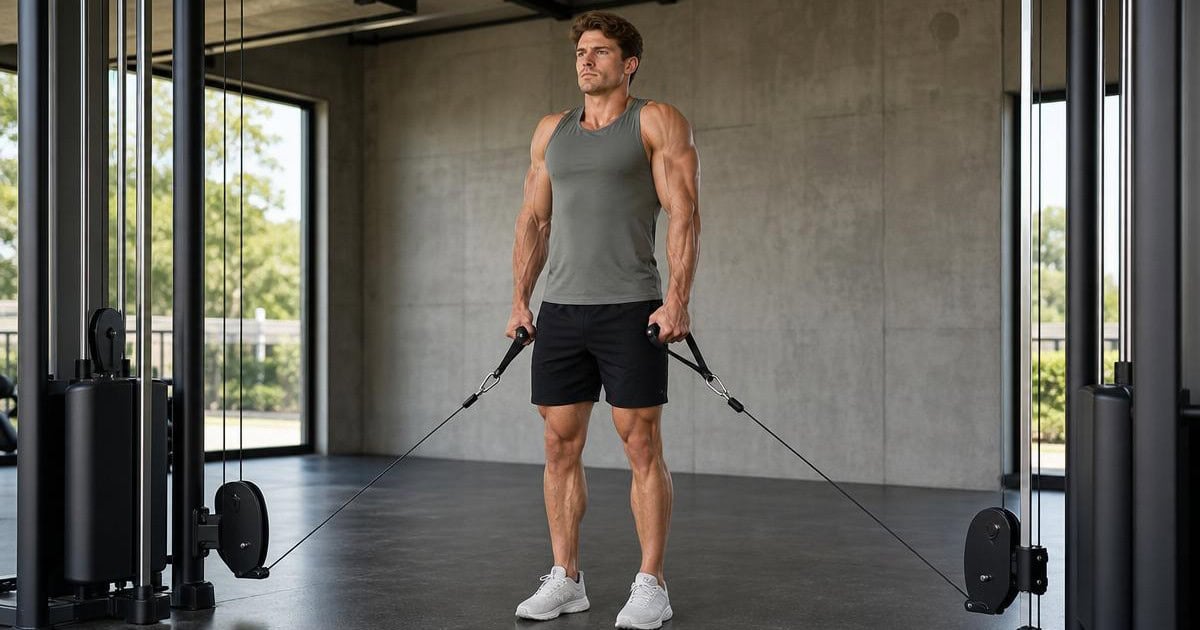
Lat pulldowns are a popular exercise that targets the latissimus dorsi muscles, commonly known as the lats. These muscles are located on the sides of the back and are responsible for pulling the arms down and towards the body. The exercise can be performed using either resistance bands or a cable machine.To perform lat pulldowns with resistance bands, start by attaching the band to a sturdy anchor point above your head. Grab the band with both hands, palms facing away from you, and step back until you feel tension in the band. Keep your feet shoulder-width apart and your knees slightly bent. Pull the band down towards your chest, keeping your elbows close to your body. Pause for a moment at the bottom of the movement, then slowly release the band back to the starting position.To perform lat pulldowns with a cable machine, sit on the machine’s bench and adjust the weight to a comfortable level. Grab the bar with an overhand grip, hands slightly wider than shoulder-width apart. Keep your feet flat on the ground and your back straight. Pull the bar down towards your chest, keeping your elbows close to your body. Pause for a moment at the bottom of the movement, then slowly release the bar back to the starting position.The benefits of lat pulldowns are numerous. They help to strengthen the back muscles, improve posture, and increase upper body strength. Additionally, they can help to prevent injuries by improving the stability of the shoulder joint. Lat pulldowns are also a great exercise for those looking to improve their pull-up strength, as they work many of the same muscles. Overall, lat pulldowns are a versatile exercise that can be modified to suit a variety of fitness levels and goals.
Seated Cable Rows with a Resistance Band or Cable Machine
Seated cable rows with a resistance band or cable machine is a strength training exercise that targets the muscles in the upper back, shoulders, and arms. This exercise is great for building strength and improving posture.To perform this exercise, start by sitting on a bench or chair facing a cable machine or resistance band. Grab the handles with an overhand grip and extend your arms in front of you. Keep your back straight and your feet flat on the ground. Pull the handles towards your chest, squeezing your shoulder blades together. Hold for a second and then slowly release back to the starting position.The benefits of seated cable rows with a resistance band or cable machine are numerous. This exercise helps to strengthen the muscles in the upper back, shoulders, and arms, which can improve posture and reduce the risk of injury. It also helps to improve grip strength and can be a great addition to any upper body workout routine.Overall, seated cable rows with a resistance band or cable machine is a great exercise for anyone looking to build strength and improve their posture. It can be easily modified to suit different fitness levels and can be done in the gym or at home with a resistance band.
Back Bridges or Hip Thrusts
Back bridges or hip thrusts are exercises that target the glutes, hamstrings, and lower back muscles. These exercises are great for improving posture, increasing hip mobility, and strengthening the muscles of the lower body.To perform a back bridge, lie on your back with your knees bent and feet flat on the ground. Place your hands by your sides, palms down. Lift your hips up towards the ceiling, squeezing your glutes and engaging your core. Hold for a few seconds, then lower your hips back down to the ground.To perform a hip thrust, sit on the ground with your back against a bench or sturdy object. Place a barbell or weight across your hips. Bend your knees and place your feet flat on the ground. Lift your hips up towards the ceiling, squeezing your glutes and engaging your core. Hold for a few seconds, then lower your hips back down to the ground.The benefits of back bridges and hip thrusts include improved posture, increased hip mobility, and stronger glutes, hamstrings, and lower back muscles. These exercises can also help to reduce lower back pain and improve athletic performance in activities such as running, jumping, and squatting.
Plank with Alternating Arm and Leg Lifts (Bird Dogs)
The plank with alternating arm and leg lifts, also known as bird dogs, is a core-strengthening exercise that targets the abs, lower back, glutes, and shoulders. This exercise is great for improving balance, stability, and posture.To perform the plank with alternating arm and leg lifts, start in a plank position with your hands directly under your shoulders and your feet hip-width apart. Engage your core and keep your back straight. Lift your right arm and left leg off the ground, keeping them straight and parallel to the floor. Hold for a few seconds, then lower them back down and repeat on the other side.Make sure to keep your hips level and avoid twisting your torso. Keep your neck in a neutral position and your gaze towards the floor.The benefits of the plank with alternating arm and leg lifts are numerous. It helps to strengthen the core muscles, which can improve posture and reduce the risk of back pain. It also engages the glutes, which can help to tone and strengthen the lower body. Additionally, this exercise can improve balance and stability, which can be beneficial for athletes and older adults.Incorporate the plank with alternating arm and leg lifts into your workout routine to improve your core strength and overall fitness.