
Building endurance through strength training requires understanding the principles that produce muscular endurance and work capacity (endurance is the ability to sustain effort over extended duration – it’s driven by the integration of muscular endurance from higher-rep training, cardiovascular fitness from sustained efforts, work capacity from compound movement patterns, postural endurance from sustained core work, mental durability through sustained effort, and the integration of these factors over consistent training time produces complete endurance development) and the training principles that develop endurance specifically: higher-rep strength training (10 to 15+ reps) for muscular endurance development, compound multi-joint movements for integrated work capacity, longer-duration core holds for postural endurance, unilateral leg work for activity-specific endurance, loaded carries for combined grip/core endurance, and progressive volume over time (gradually increasing reps, sets, or duration). Most successful endurance programs combine strength training (for muscular endurance) with cardiovascular work (running, cycling, swimming, etc.) – the strength component covered here builds the muscular foundation that supports cardiovascular performance and prevents the muscular failures that limit endurance.
Below are ten of the most effective exercises for endurance development, covering compound leg endurance (barbell squat, barbell deadlift, barbell Romanian deadlift), unilateral leg endurance (dumbbell walking lunge, dumbbell Bulgarian split squat, dumbbell step up), core endurance (front plank), grip and core endurance (farmers walk), back endurance (barbell bent over row), and balanced upper-body work (dumbbell bench press). Together they form a complete strength-based endurance program. A 45 to 60-minute session pulled from this list, performed 2 to 3 times per week alongside cardiovascular training, produces strong muscular endurance development for any individual seeking better endurance performance – whether the goal is running, hiking, cycling, ruck marching, climbing, or general work capacity. Strength-based endurance training is foundational for all endurance pursuits because muscular endurance often limits performance before cardiovascular capacity does.
Barbell Squat

The Barbell Squat performs back squats. The compound pattern is foundational for endurance training.
For endurance development, the squat builds the leg strength supporting endurance work. Run it for 3 to 4 sets of 10 to 15 reps as foundational leg endurance work.
Set up a barbell on a rack at upper back height. Position the bar across the upper back. Step back with feet shoulder-width. Squat down by bending the knees and hips. Lower until the thighs are parallel to the floor. Drive back up through the heels. The pattern is foundational for endurance – while traditionally programmed for strength, higher-rep squats (10 to 15 reps) build muscular endurance in the legs while supporting cardiovascular conditioning. Strong legs with high muscular endurance support running, cycling, hiking, and any endurance activity that depends on leg capacity.
Barbell Deadlift

The Barbell Deadlift performs barbell deadlifts. The pattern produces compound posterior chain endurance.
For endurance development, the deadlift produces compound posterior chain endurance work. Run it for 3 sets of 8 to 12 reps as compound endurance work.
Stand with feet hip-width with a barbell on the floor over the mid-foot. Hinge at the hips and bend the knees to grip the bar. Drive through the heels while extending the hips and knees to lift the bar from the floor. Stand fully tall at the top. Lower under control. The pattern produces compound posterior chain loading – the deadlift trains hamstrings, glutes, erector spinae, lats, traps, and grip simultaneously. Higher-rep deadlift work (8 to 12 reps) builds the muscular endurance in the posterior chain that supports endurance activities, running posture, and the integrated capacity for sustained effort.
Barbell Romanian Deadlift

The Barbell Romanian Deadlift performs Romanian deadlifts. The pattern builds posterior chain endurance.
For endurance development, the RDL builds posterior chain endurance through hip-hinge work. Run it for 3 sets of 10 to 15 reps as hip-hinge endurance work.
Stand with feet hip-width holding a barbell at the front of the thighs. Hinge at the hips by sending them backward while keeping the back flat and legs nearly straight. Lower the barbell along the legs until the hamstrings stretch deeply. Drive back to standing by extending the hips. The pattern builds posterior chain endurance – hamstring and glute capacity supports running endurance, hiking, and any sustained activity that depends on hip extension. Higher-rep RDL work develops the muscular endurance in the posterior chain that defines durable endurance performance.
Dumbbell Walking Lunge

The Dumbbell Walking Lunge performs walking lunges. The dynamic pattern builds endurance-relevant leg work.
For endurance development, walking lunges build dynamic single-leg endurance. Run it for 3 sets of 20 to 30 total steps as functional movement work.
Stand with feet hip-width holding dumbbells in each hand at the sides. Step forward with one leg into a lunge position, lowering the back knee toward the floor. Drive through the front heel to stand up while bringing the rear leg forward into the next lunge step. Continue alternating. The dynamic pattern develops unilateral leg endurance – the lunge motion mirrors the loaded single-leg phase of running, hiking, and other endurance activities. Excellent functional leg work that translates directly to endurance performance through sustained single-leg work.
Front Plank
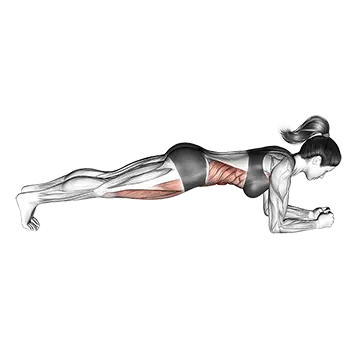
The Front Plank performs forearm plank holds. The pattern builds isometric core endurance.
For endurance development, the plank builds the core endurance essential for posture maintenance. Run it for 3 sets of 60 to 90-second holds as core endurance work.
Lie face-down on the floor. Prop up on the forearms with elbows under the shoulders. Lift the hips so the body forms a straight line from shoulders to ankles. The core works hard isometrically. Hold for the working interval (longer holds emphasize endurance over strength). The pattern builds the isometric core endurance critical for endurance activities – running, cycling, swimming, and hiking all depend on a stable core that maintains posture through sustained effort. Strong core endurance prevents the postural breakdown that develops as fatigue accumulates during long endurance sessions.
Dumbbell Bulgarian Split Squat
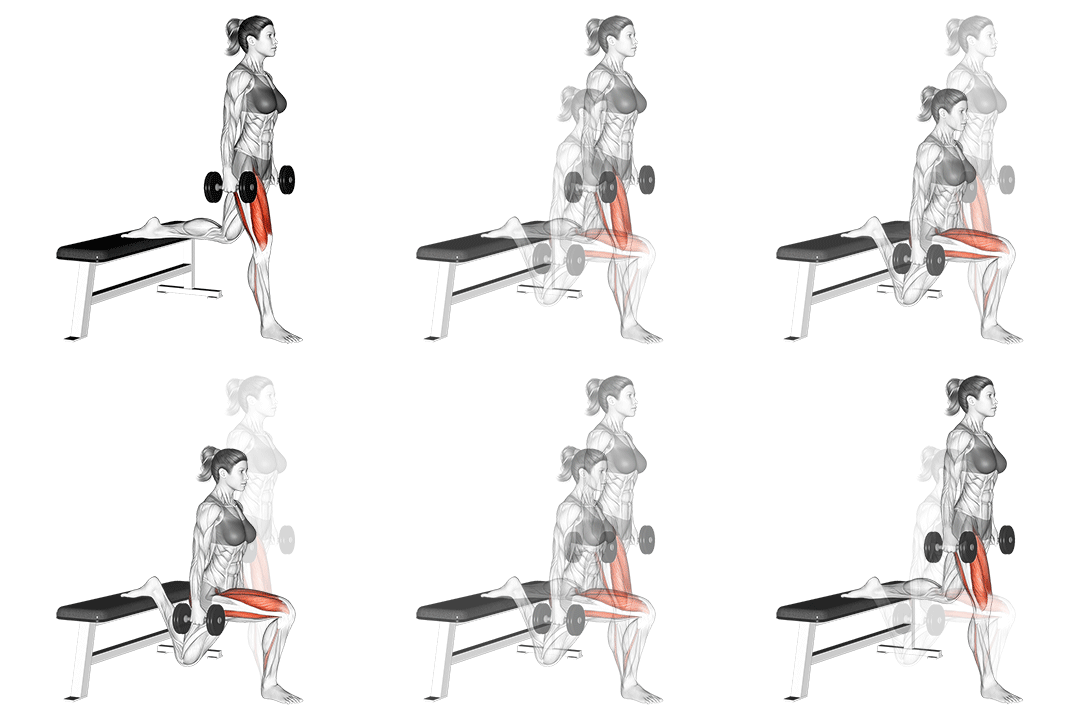
The Dumbbell Bulgarian Split Squat performs Bulgarian split squats. The unilateral pattern builds endurance-relevant strength.
For endurance development, Bulgarian split squats build unilateral leg endurance. Run it for 3 sets of 12 to 15 reps per leg as unilateral endurance work.
Stand 2 to 3 feet in front of a bench. Place the top of the rear foot on the bench behind. Hold dumbbells in each hand at the sides. Squat down by bending the front knee deeply. Lower until the front thigh is parallel to the floor. Drive back up through the front heel. The pattern produces unilateral leg endurance – critical for endurance because most endurance activities (running, hiking, climbing) load the legs asymmetrically with each step. Strong unilateral leg capacity supports the sustained single-leg drive that defines efficient endurance performance.
Farmers Walk
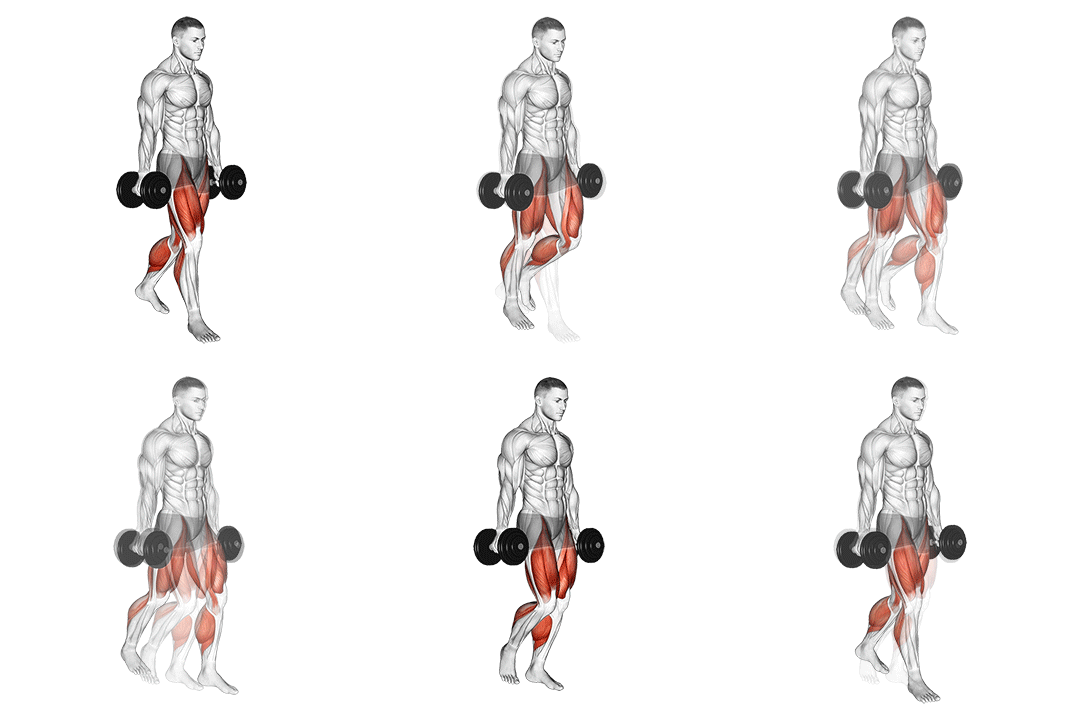
The Farmers Walk performs loaded carries. The pattern produces grip and core endurance.
For endurance development, farmers walks build grip and core endurance. Run it for 3 to 4 sets of 60 to 90-second carries as combined endurance work.
Stand holding heavy weights (dumbbells, kettlebells, or trap bar) in each hand at the sides. Walk forward with controlled steps, maintaining tall posture and tight core. Continue for the working interval (longer carries emphasize endurance). The grip, core, traps, and posterior chain all work hard isometrically. The pattern produces excellent grip and core endurance – critical for endurance activities like hiking with packs, ruck marches, climbing, and any activity requiring sustained grip and postural support. Combined with leg work, farmers walks build the integrated capacity for sustained endurance performance.
Dumbbell Step Up

The Dumbbell Step Up performs step-ups. The pattern produces unilateral leg endurance.
For endurance development, the step-up builds the unilateral leg work that supports running, hiking, and stair climbing. Run it for 3 sets of 12 to 15 reps per leg as unilateral endurance work.
Stand in front of a bench or box about knee height holding dumbbells in each hand. Step up onto the bench with one leg. Drive through the front leg to stand fully on top of the bench. Step back down under control. Switch legs. Continue alternating. The pattern produces unilateral leg work that translates directly to running, hiking, and stair climbing – the step-up motion mirrors the single-leg drive used in vertical endurance activities. Excellent functional leg work that builds endurance-specific leg capacity.
Barbell Bent Over Row

The Barbell Bent Over Row performs barbell rows. The pattern builds back endurance for posture.
For endurance development, the bent-over row builds back endurance supporting posture during long sessions. Run it for 3 sets of 10 to 12 reps as back endurance work.
Stand with feet hip-width holding a barbell at the front of the thighs with overhand grip. Hinge forward at the hips with a flat back so the torso is at about 45 degrees. Pull the bar to the lower chest by retracting the shoulder blades and pulling the elbows back. The lats, rhomboids, mid traps, and rear delts work hard. Squeeze the shoulder blades hard at peak. Lower under control. The pattern produces compound back loading – critical for endurance because strong back muscles support proper posture through long endurance sessions. Back endurance prevents the postural breakdown common in late stages of endurance activities.
Dumbbell Bench Press

The Dumbbell Bench Press performs dumbbell bench press. The pattern provides upper-body balance for endurance.
For endurance development, the dumbbell bench press provides upper-body balance and chest endurance. Run it for 3 sets of 10 to 15 reps as upper-body balance work.
Lie on a flat bench holding dumbbells at chest level with palms facing forward. Press the dumbbells up by extending the arms while bringing the dumbbells slightly toward the centerline at the top. Lower under control to deep stretch position at the chest. The pattern produces chest loading – while endurance activities focus on legs and back, balanced upper-body strength supports breathing mechanics and overall body composition. Combined with appropriate back work, chest pressing maintains balanced upper-body development for healthy long-term endurance performance.
How To Program These Workouts
A productive endurance-focused strength session pulls 6 to 8 exercises from the list above. A common balanced session: barbell squat (foundational legs), barbell romanian deadlift (posterior chain), dumbbell walking lunge (unilateral dynamic), front plank (core endurance), farmers walk (grip/core), dumbbell step up (unilateral), barbell bent over row (back endurance). For leg endurance focus: higher-rep squats and RDLs (12 to 15+ reps), Bulgarian split squats, walking lunges, step-ups. For work capacity focus: integrated circuit-style training with compound lifts at moderate loads. Run higher-rep strength work for 3 to 4 sets of 10 to 15+ reps with shorter rest periods (60 to 90 seconds), longer-duration core work for 3 sets of 60 to 90-second holds, loaded carries for 3 to 4 sets of 60 to 90-second carries.
Train endurance-focused strength 2 to 3 times per week alongside cardiovascular training. Most successful endurance programs structure work as: 1) 2 to 3 strength sessions per week (this exercise list), 2) 2 to 4 cardiovascular sessions per week (running, cycling, swimming, etc.), 3) 1 to 2 mobility/recovery sessions per week. The strength component prevents the muscular failures that limit endurance performance. The cardio component develops cardiovascular fitness. The mobility component supports recovery. Combined with progressive overload over time and adequate recovery between sessions, integrated strength and cardiovascular training produces measurable endurance improvements within 8 to 12 weeks for most individuals. Endurance is built through consistent integrated training over time.
For broader programming, see our best workouts for runners and best workouts for cyclists. For specific work, see our best workouts for marathon runners.
Final Thoughts
The best workouts for endurance deliver real performance improvements through training that targets the specific demands of sustained effort: higher-rep compound leg endurance for foundational leg capacity, unilateral leg endurance for activity-specific work, core endurance for postural stability through long sessions, grip and core endurance for combined work capacity, back endurance for posture maintenance, and balanced upper-body work for integrated body composition. The combination of higher-rep squats, deadlifts, RDLs, walking lunges, planks, Bulgarian split squats, farmers walks, step-ups, bent-over rows, and dumbbell bench press covers every functional pattern of endurance development and produces broader work capacity, body composition, and durability than cardiovascular training alone would suggest. Most individuals who consistently apply these principles see measurable endurance improvements within 8 to 12 weeks – including better muscular endurance through long activities, less postural breakdown as fatigue accumulates, longer ruck/hike capacity, faster recovery between intense efforts, and the integrated work capacity that defines true endurance fitness. For anyone seeking better endurance performance, dedicated strength-based endurance training is one of the most effective interventions available alongside cardiovascular training.
Stay focused on higher-rep compound work plus longer-duration core holds as priorities for endurance development. The most common mistake people make in endurance strength training is using the same lower-rep heavy strength work as pure strength training (5 to 8 reps), which builds maximum strength but doesn’t optimally develop muscular endurance. The fix: prioritize higher-rep work (10 to 15+ reps) with shorter rest periods (60 to 90 seconds) for muscular endurance development, longer-duration core holds (60 to 90+ seconds) for postural endurance, and loaded carries with longer durations (60 to 90+ seconds) for combined endurance. Combined with appropriate cardiovascular training, higher-rep strength training produces the muscular endurance that lower-rep heavy training never optimally develops. Endurance is built through sustained-effort training across multiple modalities.
Frequently Asked Questions
How can I build endurance?
Higher-rep strength training plus cardiovascular training plus progressive volume. Higher-rep strength work (10 to 15+ reps) builds muscular endurance that supports sustained effort. Cardiovascular training (running, cycling, swimming) develops cardiovascular fitness. Combined with longer-duration core holds (planks for 60 to 90+ seconds), loaded carries (60 to 90+ seconds), unilateral work (Bulgarian split squats, walking lunges, step-ups), and progressive volume over time, this integrated program produces measurable endurance improvements within 8 to 12 weeks. Endurance is built through consistent integrated training across multiple modalities.
What’s the best rep range for endurance?
10 to 15+ reps for muscular endurance development. Research consistently shows muscular endurance develops best with higher-rep work (10 to 15+ reps) with shorter rest periods (60 to 90 seconds). Combined with longer-duration core work (60 to 90+ second planks), loaded carries (60 to 90+ seconds), and progressive volume, higher-rep training produces the muscular endurance that supports sustained effort. Pure low-rep work (3 to 5 reps) emphasizes strength over endurance. Some endurance programs use even higher reps (20+) for specific endurance qualities.
How often should I train for endurance?
5 to 6 sessions per week across modalities. Most successful endurance programs include: 1) 2 to 3 strength sessions per week (higher-rep compound work), 2) 2 to 4 cardiovascular sessions per week (running, cycling, swimming, hiking), 3) 1 to 2 mobility/recovery sessions per week. The strength component prevents muscular failures. The cardio component develops cardiovascular fitness. The mobility component supports recovery. Combined with progressive overload over time and adequate recovery, integrated training produces measurable endurance improvements within 8 to 12 weeks.
How long does it take to build endurance?
8 to 12 weeks for measurable improvement, ongoing for substantial development. Most individuals who consistently apply integrated strength and cardiovascular training see measurable improvement within 8 to 12 weeks – including better muscular endurance, less postural breakdown, longer activity capacity, faster recovery between efforts. Beginners often see initial gains within 4 to 6 weeks. Substantial endurance development requires 6 to 12+ months of consistent integrated training. Endurance responds well to consistent training.
Should I do cardio or weights for endurance?
Both – integrated training produces the best endurance results. Cardiovascular training develops cardiovascular fitness essential for endurance. Strength training (higher-rep compound work) develops muscular endurance that prevents muscular failures. Most endurance athletes who only do cardio without strength experience muscular failures that limit performance – their cardio is fine but their muscles fatigue. Most strength athletes who only do strength without cardio lack the cardiovascular fitness for sustained endurance. Combined integrated training produces complete endurance development. Modern endurance programs all include both modalities.