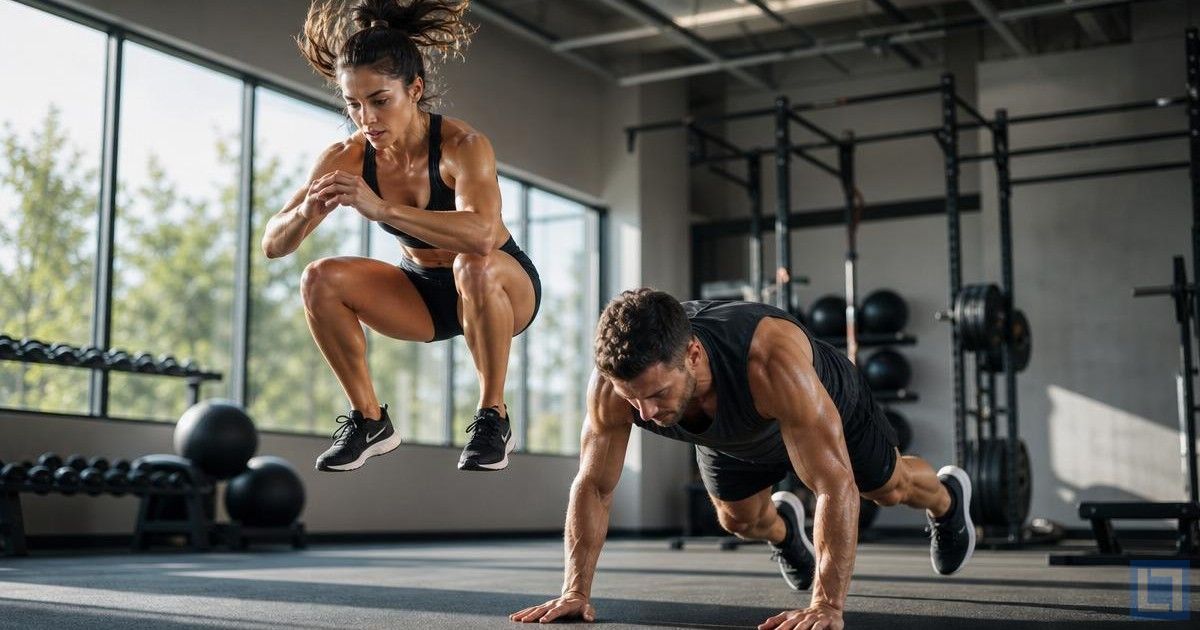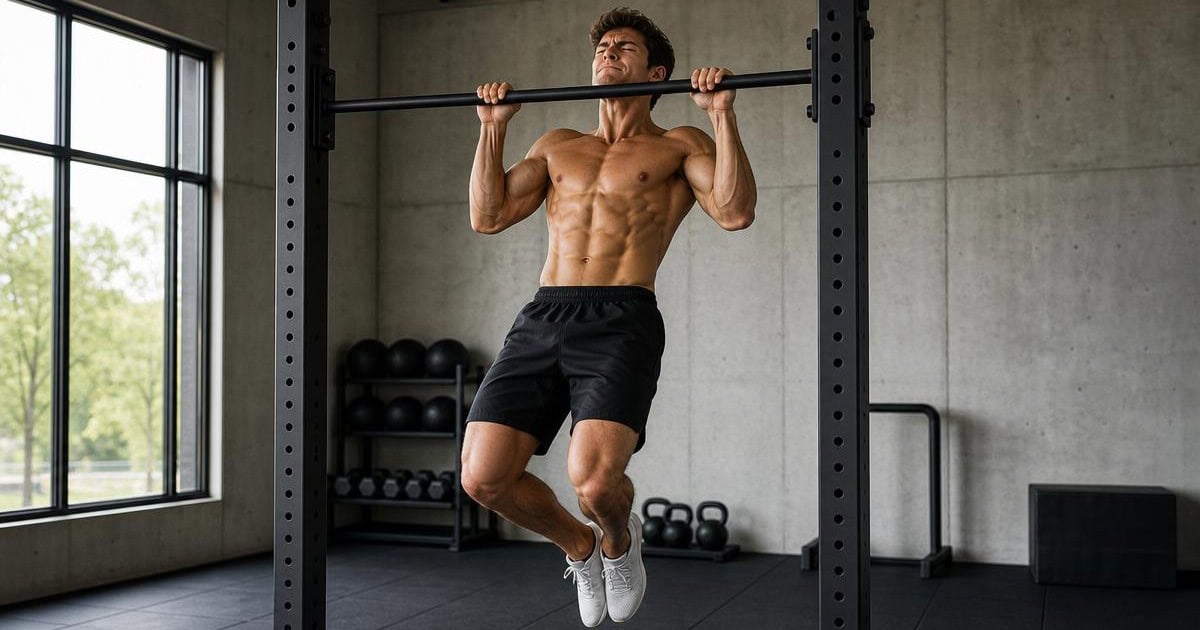
Calisthenics-focused training transforms bodyweight performance by building the vertical pulling capacity for pull-ups and advanced pulling skills, biceps-emphasized pulling for muscle-up and one-arm pull-up progressions, foundational pressing for handstand and planche progressions, compound dip strength for advanced pressing skills, deep core stability for front lever and planche progressions, foundational lower-body strength preventing upper-body-dominant imbalances, unilateral leg work for pistol squat progressions, biceps strength for advanced pulling skills, posterior chain support for back lever and hollow body skills, and grip strength foundational to all calisthenics across street workout, gymnastics-influenced calisthenics, calisthenics competition, and recreational bodyweight training. Calisthenics athletes who consistently train fundamental patterns 3 to 5 times per week see measurable improvements: more pull-ups completed before failure, faster progress through skill progressions (muscle-ups, handstands, levers), more pressing strength, longer holds, addressed upper-body-dominant imbalances through dedicated leg work, faster recovery between training sessions, and breakthrough skill achievements. Calisthenics development depends fundamentally on consistent practice of the foundational exercises that all advanced skills build from – mastering pull-ups, dips, push-ups, and planks at high volume creates the strength foundation for advanced progressions.
Below are ten of the most effective exercises for calisthenics athletes covering primary vertical pulling (pull-up), biceps-emphasized pulling (chin-up), foundational pressing (push-ups), compound dipping (triceps dip), core stability (front plank), foundational lower-body strength (barbell squat), unilateral leg work (walking lunge), biceps strength (dumbbell biceps curl), posterior chain (superman), and grip endurance (dead hang stretch). Together they form a complete calisthenics-focused program. A 45 to 75-minute session pulled from this list, performed 3 to 5 times per week, produces strong development for recreational calisthenics athletes, intermediate skill seekers, and competitive calisthenics athletes. Calisthenics-focused training is particularly valuable because the foundational patterns directly transfer to skill progressions – mastery of basics is the gateway to advanced calisthenics.
Pull Up

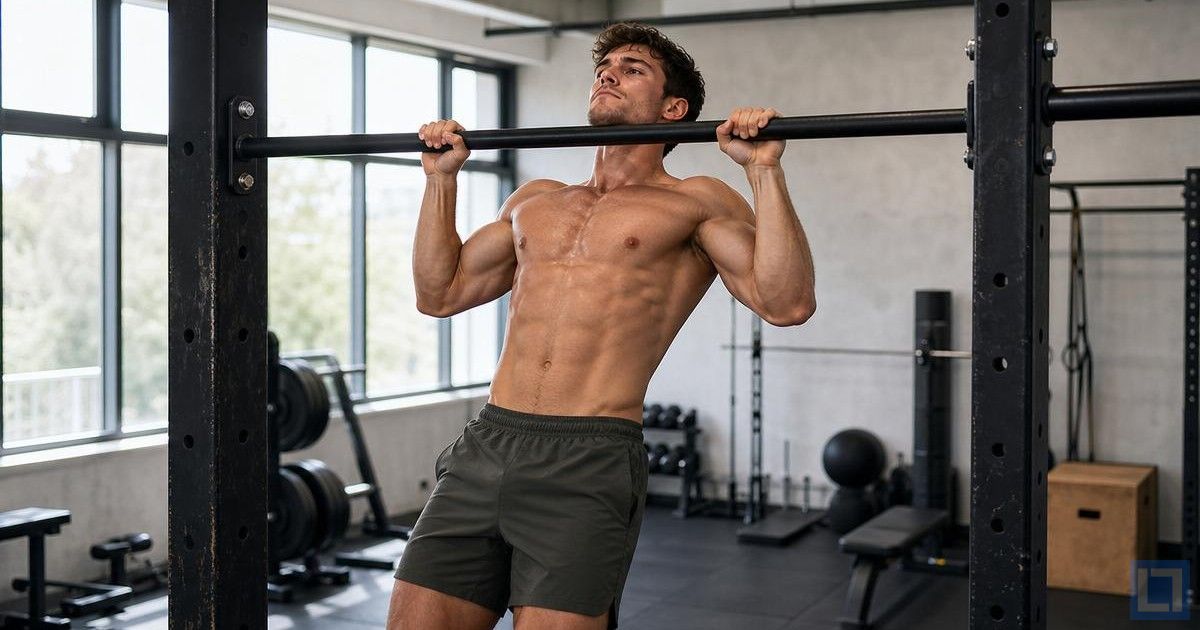
The Pull Up performs bodyweight pull-ups. The pattern is foundational for calisthenics.
For calisthenics athletes, the pull-up is foundational for vertical pulling capacity. Run it for 4 sets of 5 to 10 reps as primary upper-body pulling work, 3 to 4 times per week.
Hang from a pull-up bar with hands shoulder-width apart and palms facing away. Pull the body up by retracting the shoulder blades and pulling the elbows down toward the ribs until the chin reaches over the bar. Lower under control to full hang. The pattern is foundational for calisthenics – virtually every calisthenics progression depends on pull-up capacity (muscle ups, archer pulls, one-arm pull progressions, front lever progressions, etc.). Strong pull-up capacity is the gateway to advanced calisthenics. Most calisthenics athletes prioritize pull-up volume and progressive overload (added weight when bodyweight becomes easy).
Chin Up

The Chin Up performs underhand pull-ups. The pattern produces foundational biceps-emphasized pulling.
For calisthenics athletes, chin-ups produce biceps-emphasized compound pulling. Run it for 3 to 4 sets of 6 to 10 reps as biceps-emphasized pulling work.
Hang from a pull-up bar with hands shoulder-width apart and palms facing toward the body (underhand grip). Pull the body up by flexing at the elbows and retracting the shoulder blades until the chin reaches over the bar. Lower under control to full hang. The pattern produces biceps-emphasized compound loading – critical for calisthenics development because the underhand grip emphasizes biceps activation more than overhand pull-ups, building the arm strength needed for advanced calisthenics progressions like one-arm pull-ups and muscle-ups.
Push Ups

The Push Ups performs bodyweight push-ups. The pattern is foundational for calisthenics pressing.
For calisthenics athletes, push-ups are foundational for horizontal pressing capacity. Run it for 4 sets of 10 to 20 reps as primary push-up practice.
Position into a plank with hands shoulder-width apart on the floor and the body straight from head to heels. Lower the body by bending the elbows until the chest nearly touches the floor. Push back up by extending the arms. The chest, anterior delts, and triceps work hard. The pattern is foundational for calisthenics – virtually every horizontal pressing progression depends on push-up capacity (handstand progressions, planche progressions, archer push-ups, one-arm push-up progressions). Strong push-up capacity is the foundation of advanced bodyweight pressing skills.
Triceps Dip

The Triceps Dip performs bodyweight tricep dips. The pattern is foundational for calisthenics triceps and shoulders.
For calisthenics athletes, dips are foundational for compound pressing. Run it for 4 sets of 6 to 12 reps as compound pressing work.
Position on parallel bars or a dip station with arms extended supporting bodyweight. Lower the body by bending the elbows until the upper arms are parallel to the floor. Push back up by extending the arms. The triceps, chest, and anterior delts work hard. The pattern is foundational for calisthenics – dips build the compound pressing strength critical for muscle-ups, ring dips, planche progressions, and the diverse pressing demands of calisthenics. Add weight (with a dip belt) for progressive overload as bodyweight dips become easy.
Front Plank
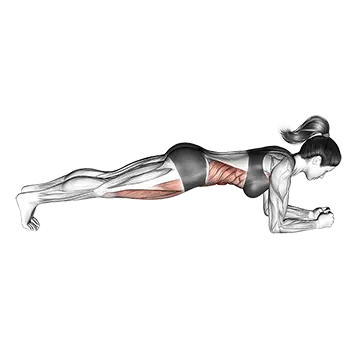
The Front Plank performs forearm plank holds. The pattern produces foundational core for calisthenics.
For calisthenics athletes, the plank produces foundational core stability supporting all calisthenics. Run it for 3 sets of 60 to 120-second holds as core work.
Lie face-down on the floor. Prop up on the forearms with elbows under the shoulders. Lift the hips so the body forms a straight line from shoulders to ankles. The core works hard isometrically. Hold for the working interval. The pattern builds isometric core strength – critical for calisthenics because virtually every calisthenics progression depends on core stability (front lever, planche, handstand, L-sit progressions all require core endurance). Strong core stability supports the integrated body control that advanced calisthenics depends on.
Barbell Squat

The Barbell Squat performs back squats. The pattern produces compound lower-body strength.
For calisthenics athletes, the squat builds foundational lower-body strength. Run it for 3 sets of 8 to 12 reps as primary lower-body work, 2 times per week.
Set up a barbell on a rack at upper back height. Position the bar across the upper back. Step back with feet shoulder-width. Squat down by bending the knees and hips. Lower until the thighs are parallel to the floor. Drive back up through the heels. The pattern produces compound lower-body strength – while calisthenics emphasizes upper-body skills, balanced lower-body development supports overall athletic capacity, prevents the upper-body-dominant imbalances common in pure calisthenics, and provides the leg strength supporting jumping skills and lower-body bodyweight progressions.
Walking Lunge

The Walking Lunge performs bodyweight walking lunges. The dynamic pattern builds unilateral leg strength.
For calisthenics athletes, walking lunges build unilateral leg strength. Run it for 3 sets of 16 to 20 total steps as unilateral leg work.
Stand with feet hip-width. Step forward with one leg into a lunge position, lowering the back knee toward the floor. Drive through the front heel to stand up while bringing the rear leg forward into the next lunge step. Continue alternating. The dynamic bodyweight pattern develops unilateral leg strength – critical for calisthenics because pistol squat progressions and other unilateral lower-body skills depend on single-leg strength. Excellent foundational unilateral exercise that supports advanced lower-body calisthenics skills.
Dumbbell Biceps Curl

The Dumbbell Biceps Curl performs dumbbell biceps curls. The pattern produces direct biceps loading.
For calisthenics athletes, the dumbbell biceps curl produces direct biceps strengthening. Run it for 3 sets of 8 to 12 reps as biceps work.
Stand with feet hip-width holding dumbbells in each hand at the sides with palms facing forward. Curl the dumbbells up by flexing at the elbows. The biceps work hard. Squeeze at peak. Lower under control. The pattern produces direct biceps isolation – critical for calisthenics because strong biceps support advanced pulling skills (one-arm pull-up progressions, front lever progressions, muscle-up training). Combined with chin-ups and pull-ups, dedicated biceps work develops the arm strength critical for advanced bodyweight pulling.
Superman

The Superman performs the superman exercise. The pattern produces direct erector spinae loading for calisthenics.
For calisthenics athletes, the superman builds posterior chain strength supporting advanced skills. Run it for 3 sets of 12 to 15 reps as posterior chain work.
Lie face-down on the floor with arms extended overhead. Lift the arms, chest, and legs off the floor simultaneously by contracting the lower back and glutes. Hold briefly at peak. Lower under control. The pattern produces direct erector spinae and glute activation – critical for calisthenics because back lever progressions, hollow body holds, and many advanced calisthenics skills depend on strong posterior chain. The supeman builds the foundational posterior chain capacity for advanced bodyweight skills.
Dead Hang Stretch

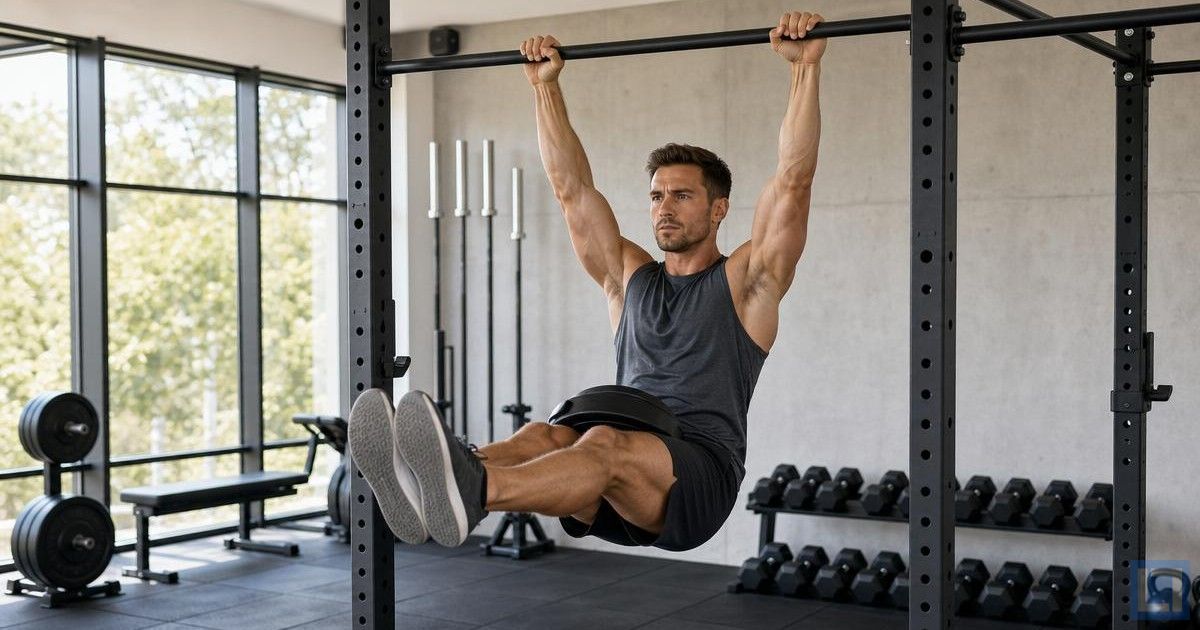
The Dead Hang Stretch performs dead hangs. The pattern produces shoulder decompression and grip endurance.
For calisthenics athletes, dead hangs build grip strength and shoulder mobility. Run it for 3 sets of 30 to 60-second hangs as grip endurance work, daily.
Hang from a pull-up bar with hands shoulder-width apart and a passive dead hang position (relaxed shoulders). Hold the position for the working interval. The shoulders decompress, the lats stretch, and the upper body lengthens. The grip works hard. The pattern produces excellent grip strength and shoulder decompression – critical for calisthenics because grip strength supports all bar work and shoulder mobility supports advanced overhead and pulling skills. Daily dead hangs decompress the shoulders and build the grip endurance foundational for calisthenics.
How To Program These Workouts
A productive calisthenics session pulls 6 to 8 exercises from the list above. A common balanced session: pull-up (heavy primary – skill foundation), chin-up (biceps-emphasized), push-ups (pressing – high volume), triceps dip (compound pressing), front plank (core endurance), barbell squat (legs), walking lunge (unilateral), dumbbell biceps curl (arms), dead hang stretch (grip). For pulling skill progression: prioritize pull-ups, chin-ups, dead hangs, and dedicated grip work. For pressing skill progression: prioritize push-ups, dips, plus skill-specific work (handstand practice). For balanced calisthenics: cover all major patterns weekly. Run heavy compound work for 3 to 4 sets of 5 to 12 reps, foundational practice for 3 to 4 sets of submaximal volume, core for 3 sets of 60 to 120-second holds, grip work for 3 sets of 30 to 60-second hangs.
Train calisthenics 3 to 5 times per week with progressive practice. Most successful calisthenics programs include: 1) skill practice 3 to 4 times per week (the specific skills being developed – muscle-ups, handstands, levers), 2) foundational strength work 3 to 5 times per week (pull-ups, dips, push-ups), 3) supporting strength work (legs, biceps, core), 4) regular grip practice (dead hangs daily). Combined with progressive overload (gradually increasing reps, adding weight, progressing to harder skill variations), proper recovery, and consistent practice over months to years, dedicated calisthenics training produces remarkable bodyweight mastery. Calisthenics responds particularly well to high-frequency dedicated practice.
For broader programming, see our best workouts for bodyweight and best workouts for gymnastics. For specific work, see our how to build a stronger pull up.
Final Thoughts
The best workouts for calisthenics deliver real bodyweight performance improvements through training that targets the foundational patterns underlying all calisthenics skills: vertical pulling for advanced pull progressions, biceps-emphasized pulling for one-arm pull-ups and muscle-ups, foundational pressing for handstand and planche, compound dipping for advanced pressing, deep core stability for lever skills, foundational lower-body strength for balanced development, unilateral leg work, biceps strength, posterior chain support, and grip endurance. The combination of pull-ups, chin-ups, push-ups, dips, planks, squats, walking lunges, biceps curls, supermans, and dead hangs covers every functional pattern of calisthenics development and produces broader bodyweight mastery than partial training would suggest. Many calisthenics athletes discover more pull-ups, faster skill progression, more pressing strength, longer holds, addressed asymmetries, faster recovery, and breakthrough skill achievements within 12 to 24 weeks of adding consistent fundamental work. For calisthenics athletes seeking better bodyweight mastery, dedicated foundational training is the most effective path forward.
Stay focused on mastering fundamentals as the priority for calisthenics development. The most common mistake calisthenics athletes make is jumping to advanced skill work (planche, front lever, muscle-ups) without sufficient foundational strength, producing slow skill progression and frustration. The fix: prioritize fundamental strength development (heavy pull-ups, dips, push-ups, planks at high volume) before extensive skill work – the strength foundation determines skill progression speed. Combined with patient skill progression, adequate volume, and progressive overload over months to years, fundamental-focused training produces the calisthenics mastery that skill-only training never achieves. Strong fundamentals are the gateway to advanced calisthenics.
Frequently Asked Questions
How can I get better at calisthenics?
Master the fundamentals plus consistent skill practice. Heavy pull-ups, chin-ups, push-ups, and dips build the foundational strength that all advanced calisthenics skills depend on. Daily dead hangs build grip endurance. Front planks build core stability. Combined with skill-specific practice (muscle-up progressions, handstand practice, lever progressions), foundational squats and lunges (preventing upper-body-dominant imbalances), and dedicated arm work, this comprehensive approach produces measurable calisthenics improvement within 12 to 24 weeks.
How often should I train calisthenics?
3 to 5 times per week with progressive practice. Most successful programs include: 1) skill practice 3 to 4 times per week (the specific skills being developed), 2) foundational strength work 3 to 5 times per week (pull-ups, dips, push-ups), 3) supporting strength work (legs, biceps, core), 4) regular grip practice (dead hangs daily). High frequency works in calisthenics because most exercises are submaximal relative to body capacity, allowing recovery between sessions. Patient consistent practice over months produces remarkable bodyweight mastery.
What’s the best calisthenics exercise?
Heavy pull-ups. Heavy pull-ups produce the most direct compound upper-body pulling load possible – the foundational exercise for virtually every advanced calisthenics skill (muscle-ups, one-arm pull-ups, front lever progressions). Combined with chin-ups (biceps-emphasized), push-ups (pressing), dips (compound pressing), planks (core), squats (legs), walking lunges (unilateral), biceps curls (arms), supermans (posterior chain), and dead hangs (grip), pull-ups form the foundation of calisthenics development.
How long does calisthenics take to learn?
Foundations within 6 to 12 months, advanced skills within 1 to 3+ years. Most beginners who consistently apply foundational training plus skill practice see measurable improvements within 6 to 12 months including: 10+ strict pull-ups, 30+ push-ups, 10+ dips, 60+ second planks, basic skills (handstand against wall, L-sit). Advanced skills (muscle-ups, planche, front lever, free-standing handstand) typically require 1 to 3+ years of dedicated practice. Calisthenics rewards patient consistent practice over months and years.
Should calisthenics athletes train legs?
Yes – balanced lower-body development prevents upper-body-dominant imbalances. While calisthenics emphasizes upper-body skills, dedicated leg work (squats, lunges, single-leg progressions) produces: balanced muscle development, prevention of injury patterns from upper-body-dominant training, foundational leg strength for jumping skills, lower-body calisthenics skill progression (pistol squats, shrimp squats), and the integrated body capacity that completes calisthenics development. Most successful calisthenics athletes incorporate dedicated leg work 1 to 2 times per week.