Postpartum ab training requires a different approach than standard core work. Pregnancy stretches the abdominal wall, weakens the deep core muscles, and often produces diastasis recti (separation of the rectus abdominis). The standard sit-ups and crunches that work for general fitness can actually slow recovery or worsen abdominal separation when performed too soon postpartum. The best postpartum ab workouts prioritize deep core activation, pelvic floor coordination, and progressive loading that allows the body to heal properly while rebuilding strength.
Below are ten effective postpartum ab exercises that cover gentle deep core activation, anti-extension stability work, hip-focused exercises that engage the core without abdominal pressure, and progressive plank variations. Always get medical clearance before starting any postpartum exercise program, particularly if you had a C-section, complications during delivery, or significant diastasis recti. Most lifters can begin gentle exercises like pelvic tilts within 1 to 2 weeks of vaginal delivery (longer for C-sections); harder exercises require longer healing periods.
Pelvic Tilt

The Pelvic Tilt lies on the back with knees bent and gently tilts the pelvis to flatten the lower back against the floor by engaging the deep abdominal muscles. The exercise is one of the gentlest and most foundational core activation exercises that exists.
For postpartum recovery, the pelvic tilt is the foundational exercise to start with. The motion engages the transverse abdominis (the deep core muscle most affected by pregnancy) without putting pressure on the abdominal wall or pelvic floor. Most postpartum lifters can begin pelvic tilts within days of delivery (with medical clearance) and progress to harder exercises over 6 to 12 weeks.
Lie flat on the back with knees bent and feet planted shoulder-width apart. Gently tilt the pelvis to press the lower back into the floor by engaging the lower abdominals. Hold for 5 to 10 seconds. Release. Continue for 8 to 12 reps. Breathe normally throughout; do not hold your breath.
Dead Bug

The Dead Bug lies on the back with arms extended toward the ceiling and knees bent at 90 degrees, then lowers opposite arm and leg toward the floor while maintaining a flat lower back. The exercise builds anti-extension trunk stability through controlled motion.
For postpartum core rebuilding, the dead bug is one of the safest progressions from pelvic tilts. The exercise teaches the abs to brace against opposing limb motion, which directly addresses the core dysfunction many postpartum lifters experience. The supine position protects the spine, and the controlled tempo prevents the breath-holding patterns that postpartum lifters need to avoid.
Lie flat on the back with arms extended toward the ceiling and knees bent at 90 degrees over the hips. Slowly lower the opposite arm and leg toward the floor while keeping the lower back flat against the floor. Return to the starting position and switch sides. Breathe normally throughout the movement.
Bird Dog
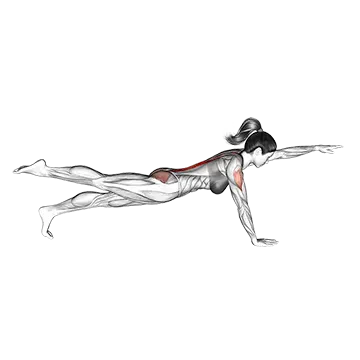
The Bird Dog starts on hands and knees and extends the opposite arm and leg simultaneously while maintaining a stable trunk. The cross-body extension trains anti-rotation core stability along with shoulder and hip control.
In postpartum core programs, the bird dog complements the dead bug by training the same anti-rotation function from a prone position. Both exercises avoid the abdominal pressure that crunches and sit-ups produce, which is essential for lifters with diastasis recti or who are still healing from delivery. Run it for 3 sets of 8 to 10 reps per side.
Start on hands and knees with hands directly under shoulders and knees under hips. Extend one arm forward while extending the opposite leg back, ending with both fully extended in a straight line with the trunk. Hold briefly. Return to the start and switch sides. Maintain a flat back; do not let the lower back arch.
Cat Cow Stretch

The Cat Cow Stretch starts on hands and knees and alternates between rounding the back upward (cat) and arching it downward (cow) in a controlled flowing motion. The exercise mobilizes the spine and gently activates the core.
For postpartum recovery, cat-cow stretches address the spinal stiffness and core weakness that pregnancy creates. The gentle dynamic motion warms up the spine and activates the deep core musculature without the abdominal pressure of harder ab exercises. Run it for 8 to 12 slow controlled reps as part of warm-up or daily mobility work.
Start on hands and knees with hands directly under shoulders and knees under hips. Round the back upward toward the ceiling while tucking the chin to the chest (cat position). Then reverse: arch the back downward while lifting the head and tailbone (cow position). Continue alternating slowly with controlled breathing.
Glute Bridge March

The Glute Bridge March lies on the back in a glute bridge position and alternates lifting one knee toward the chest while maintaining the bridge. The combined hip extension and unilateral leg lift produces strong glute and core demand without abdominal pressure.
For postpartum core and glute work, the glute bridge march is one of the most effective exercises that exists. The pattern strengthens the glutes (which often weaken during pregnancy from posture changes) while engaging the deep core stabilizers without putting pressure on the abdominal wall. Run it for 3 sets of 8 to 10 reps per side.
Lie flat on the back with knees bent and feet planted shoulder-width apart. Lift the hips up into a glute bridge. Maintaining the bridge, lift one knee toward the chest, then lower back to the start. Lift the opposite knee. Continue alternating without dropping the hips.
Front Plank
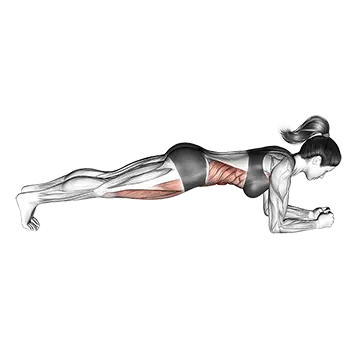
The Front Plank holds a forearm plank position with the body in a straight line from head to heels. The isometric hold builds core strength and teaches the trunk to brace under static load.
For postpartum lifters who have completed the foundational pelvic tilt and dead bug progressions, the front plank is the next major step. Start with shorter holds (15 to 30 seconds) and progress slowly to longer holds (45 to 60 seconds) over 4 to 8 weeks. Modify to a knee plank if the standard plank produces lower back arching or coning of the abdominal wall.
Set up on the forearms with elbows directly under the shoulders. Body straight from head to heels, hips not sagging or piking up. Hold the position while breathing normally. End the set when form breaks down. Modify to a knee plank if the standard plank is too demanding initially.
Side Plank
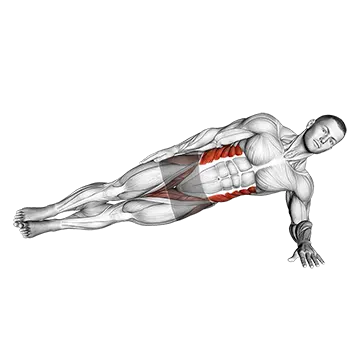
The Side Plank holds a side-supported plank position with the body in a straight line from head to feet, supporting on one forearm and the side of one foot. The exercise targets the obliques and lateral core stabilizers through isometric loading.
For postpartum oblique work, the side plank is one of the safest direct exercises that exists. The lateral position avoids the abdominal pressure of crunches and rotational exercises while still loading the obliques heavily. Build to 20 to 30-second holds per side before progressing to harder side plank variations.
Lie on one side with the elbow directly under the shoulder, body in a straight line from head to feet. Lift the hips off the floor to form a straight line. Hold the position while breathing normally. End the set when form breaks down. Modify to a knee-supported side plank if the standard version is too demanding.
Standing Pelvic Tilt

The Standing Pelvic Tilt stands tall and gently tilts the pelvis forward and back through small controlled motions. The exercise teaches pelvic awareness and engages the deep core musculature in an upright position.
For postpartum core retraining, standing variations of pelvic tilts complement the floor-based versions by teaching the same activation pattern in functional standing positions. The standing version transfers more directly to daily activities (standing, walking, carrying babies and groceries) than floor-based exercises alone.
Stand tall with feet shoulder-width apart and slight knee bend. Place hands on the hips. Gently tilt the pelvis forward (anterior tilt) and back (posterior tilt) through small controlled motions. The motion should feel subtle, not dramatic. Continue for 8 to 12 reps in each direction.
Dumbbells Glute Bridge

The Dumbbells Glute Bridge lies on the back with knees bent and dumbbells across the hips, then drives the hips up by squeezing the glutes hard. The added external load increases the strength stimulus on the glutes significantly compared to bodyweight bridges.
For postpartum lifters who have progressed past basic bodyweight glute bridges, adding dumbbell loading restores the progressive overload that drives ongoing strength gains. The hip-thrust mechanics target the glutes specifically without putting pressure on the abdominal wall, which makes loaded glute bridges one of the safer loaded exercises postpartum. Most lifters can add weight by week 8 to 12 of postpartum recovery.
Lie flat with knees bent and feet planted shoulder-width apart. Place a dumbbell across the hips. Drive the hips up by squeezing the glutes hard at the top. Lower under control. Hold the top position briefly on each rep to maximize the contraction.
Wall Press Heel Tap

The Wall Press Heel Tap lies on the back with feet pressed against a wall and gently lowers and lifts the heels by tapping them down toward the floor. The exercise activates the deep core stabilizers without putting pressure on the abdominal wall.
For postpartum core progression, the wall press heel tap is one of the gentlest dynamic core exercises that exists. The wall provides feedback that helps maintain proper pelvic position throughout the movement, and the small motion produces deep core activation without strain. Run it for 3 sets of 8 to 10 reps per side as accessory work.
Lie on the back with the legs lifted and the heels pressed against a wall, knees bent at 90 degrees. Maintain the wall contact with both feet. Lower one heel down toward the floor while keeping the other heel pressed firmly against the wall. Tap the heel lightly and lift back. Switch sides.
How To Program These Workouts
A productive postpartum ab progression follows three phases. Phase 1 (weeks 1 to 6): foundational activation with pelvic tilts, cat-cow stretches, and gentle dead bugs. 5 to 10 minutes per day, focused on movement quality and breath coordination. Phase 2 (weeks 6 to 12): progressive loading with bird dogs, glute bridge marches, and modified planks. 15 to 20 minutes per session, three to four times per week. Phase 3 (week 12+): full ab training with standard planks, side planks, and progressive loaded exercises. Resume normal training programming as recovery permits.
Always check for diastasis recti before progressing through the phases. Lie on the back with knees bent and lift the head slightly off the floor. Press fingers into the midline of the abdomen at the belly button. A gap of 2+ finger widths or more indicates diastasis recti that requires specific rehabilitation work before advancing. Most lifters can close mild diastasis recti through 8 to 16 weeks of phase 1 and phase 2 work; more significant separation may require physical therapy.
For more ab programming after the postpartum period, see our best ab workouts for women and best dead bug ab workouts. For broader recovery and core training, see our best standing ab workouts.
Final Thoughts
The best postpartum ab workouts produce real core strength rebuilding while supporting the body’s natural healing process. The combination of gentle deep core activation, anti-extension stability work, and progressive loading covers the full postpartum recovery timeline from immediate post-delivery through full return to fitness. For new mothers who want to rebuild their core safely and effectively, this progressive approach is one of the most evidence-based options available.
Stay patient with the timeline. The most common postpartum exercise mistake is rushing back to standard ab training before the body has healed. The fix: respect the phase progression and focus on quality movement at each stage rather than chasing intensity. Most lifters who follow the gradual progression for 12 to 16 weeks return to full ab training stronger than before pregnancy; lifters who skip phases often experience setbacks (worsening diastasis recti, pelvic floor issues, lower back pain) that delay recovery further. Trust the process.
Frequently Asked Questions
When can I start postpartum ab workouts?
Most lifters can begin gentle exercises (pelvic tilts, breathing work, cat-cow stretches) within 1 to 2 weeks of vaginal delivery and 4 to 6 weeks post-C-section, with medical clearance from your doctor. Harder exercises (planks, dead bugs with extended limbs, loaded glute bridges) typically require 6 to 12 weeks of recovery. Always check with your doctor or a postpartum-trained physical therapist before starting any specific exercise program.
What is diastasis recti and how do I check for it?
Diastasis recti is the separation of the rectus abdominis muscles along the midline of the abdomen, which occurs in roughly 60 to 70 percent of pregnancies. To check: lie on the back with knees bent. Lift the head slightly while pressing fingers into the midline at the belly button. A gap of 2+ finger widths indicates diastasis recti that requires specific rehabilitation. Mild cases (1 to 2 finger widths) often close with 8 to 16 weeks of progressive ab work; more severe cases may require physical therapy.
Are crunches safe postpartum?
Not in the early stages. Standard crunches and sit-ups put significant pressure on the abdominal wall, which can worsen diastasis recti and slow recovery. Most lifters should avoid crunches and sit-ups for at least the first 12 weeks postpartum, and longer if diastasis recti has not closed. Phase 1 and phase 2 exercises (pelvic tilts, dead bugs, planks) produce real ab strength without the abdominal pressure that crunches create.
How long until my abs look normal again?
Visible ab definition typically returns 6 to 12 months postpartum for lifters who follow consistent progressive ab work and appropriate nutrition. The timeline varies significantly based on factors including pre-pregnancy fitness, body fat percentage, breastfeeding status, sleep quality, and individual recovery rate. Most postpartum lifters need to be at 18 to 22 percent body fat for abs to start showing, which is significantly higher than pre-pregnancy levels for most women.
Can I do postpartum ab workouts while breastfeeding?
Yes, with appropriate hydration and nutrition. Breastfeeding does not prevent ab training, but it does increase caloric needs (typically 300 to 500 additional calories per day) and hydration requirements. Most postpartum lifters can train normally while breastfeeding as long as they consume adequate calories and protein. Avoid significant calorie deficits during breastfeeding; the body needs additional resources for milk production and recovery from training.