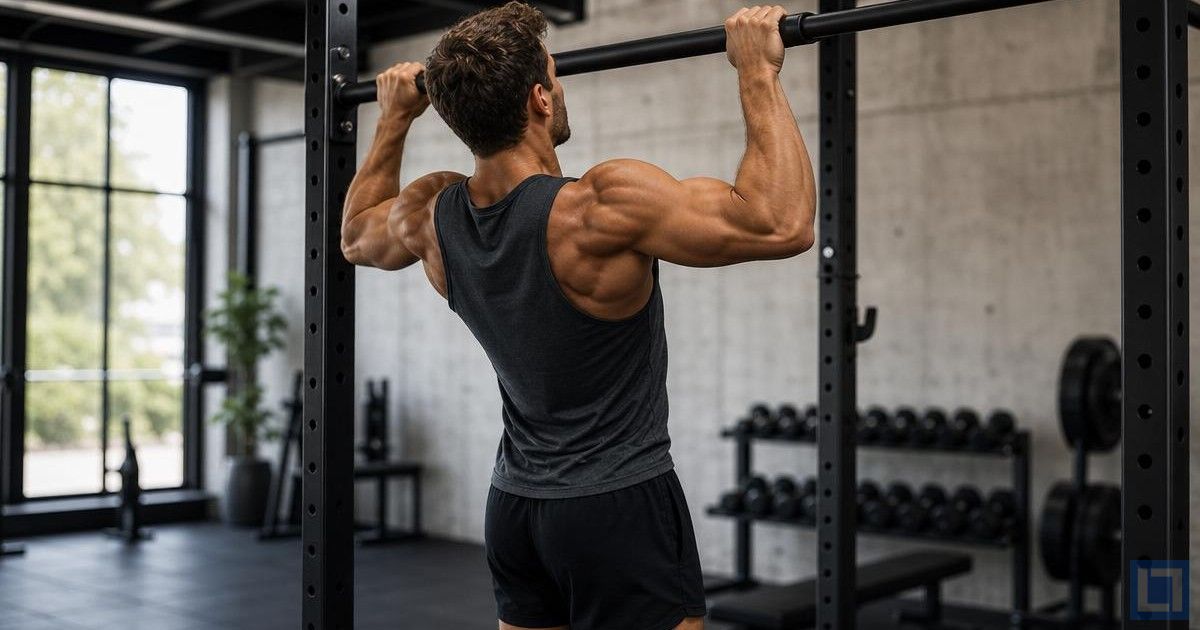
Bodyweight back training produces real back development through equipment-minimal exercises that hit every major back muscle group. The format works particularly well because the back muscles respond strongly to the relative bodyweight loading that pull-up variations and inverted rows produce, with progressive overload available through varied grip widths, body angles, and (eventually) added weight via vests or dip belts. Most lifters who consistently train bodyweight back exercises 2 to 3 times per week see measurable back strength and muscle development within 8 to 12 weeks. The format produces particularly strong development for the lats (through pull-up variations), rhomboids and middle traps (through inverted rows), lower back (through supermans), and posture muscles (through prone Y raises and bird dogs).
Below are ten effective bodyweight back exercises that cover vertical pulling (pull-up, chin-up, wide-grip pull-up, close-grip pull-up, rear pull-up), horizontal pulling (inverted row, suspension underhand row), lower-back work (superman), upper-back posture (prone Y raise), and back stability (bird dog). Together they form a complete bodyweight back training program that hits every major back muscle and movement pattern. A 35 to 45-minute session pulled from this list produces strong combined back development across vertical pulling, horizontal pulling, and posture work.
Pull Up

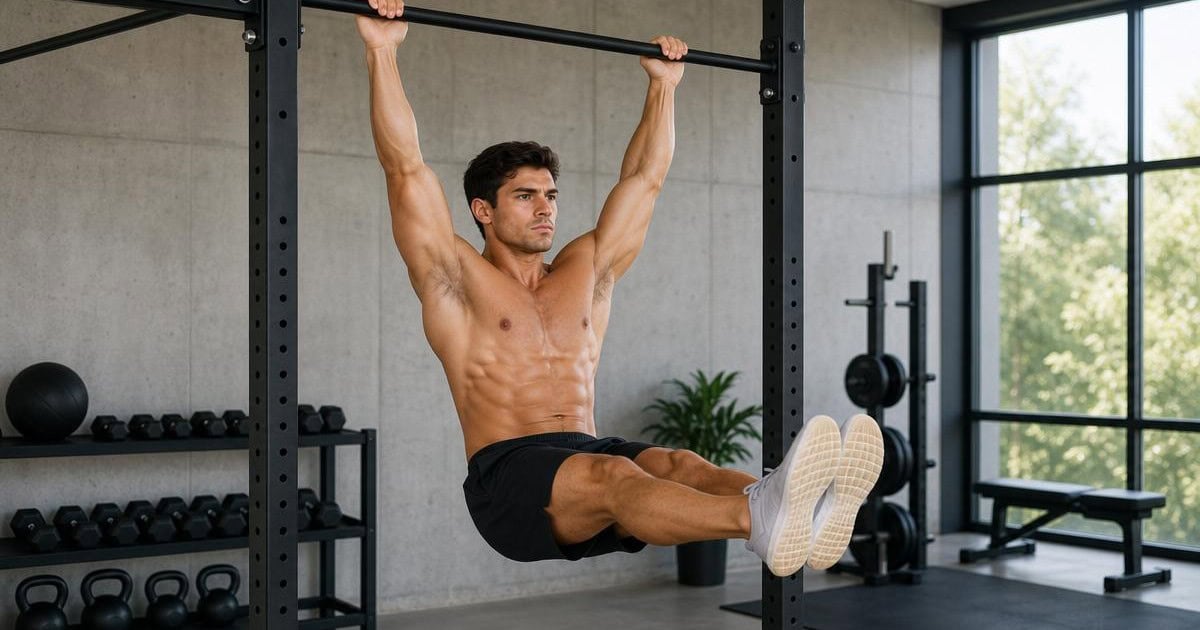
The Pull Up grips an overhead bar with palms facing away (overhand grip) and pulls the body up until the chin clears the bar. The exercise is the foundational bodyweight back exercise and produces strong combined lat and middle-back development.
For bodyweight back training, the pull-up is non-negotiable. The pattern hits the lats, rhomboids, and middle back through the deepest possible stretch and contraction range available without equipment beyond a bar. Run it for 4 sets of 6 to 12 reps as primary heavy back work in any bodyweight back session.
Hang from an overhead bar with palms facing away (overhand grip), hands shoulder-width apart. Pull the body up by driving the elbows down and back until the chin clears the bar. Lower under control to a full hang at the bottom. Avoid kipping or swinging in strict strength-focused training.
Chin Up

The Chin Up grips an overhead bar with palms facing the body (underhand grip) and pulls the body up until the chin clears the bar. The pattern hits both the lats and the biceps simultaneously through the supinated grip.
For bodyweight back training, the chin-up provides varied back loading that complements pull-ups. The underhand grip produces stronger combined lat and bicep loading than overhand pull-ups. Run it for 4 sets of 6 to 12 reps as varied back work alongside pull-ups.
Hang from an overhead bar with palms facing the body (underhand grip) and hands shoulder-width apart. Pull the body up by driving the elbows down until the chin clears the bar. Lower under control to a full hang. Maintain strict full-range motion throughout for maximum back stimulus.
Wide Grip Pull Up

The Wide Grip Pull Up performs pull-ups with hands placed significantly wider than shoulder-width. The wider grip emphasizes the upper and outer lats more than standard pull-ups, which produces stronger lat width-specific loading.
For bodyweight back training, the wide-grip pull-up is one of the most direct lat width builders that exists. The wider grip puts the lats in a position that emphasizes the outer fibers responsible for the V-taper appearance. Run it for 3 to 4 sets of 6 to 10 reps as direct lat width work.
Hang from an overhead bar with palms facing away and hands placed significantly wider than shoulder-width (typically 6 to 10 inches wider per side). Pull the body up by driving the elbows down and back until the chin approaches or clears the bar. Lower under control. The wider grip produces shorter range of motion at the top.
Close Grip Pull-up

The Close Grip Pull-up performs pull-ups with hands placed close together on the bar. The narrow grip emphasizes the lower lats and biceps more than wide-grip variations, which produces different back loading.
For bodyweight back training, the close-grip pull-up produces strong lower-lat loading combined with significant bicep involvement. The pattern complements wide-grip work for complete lat development. Run it for 3 to 4 sets of 6 to 10 reps as varied back work.
Hang from an overhead bar with palms facing away and hands placed close together (typically 6 inches apart or closer). Pull the body up by driving the elbows down and back until the chin clears the bar. Lower under control to a full hang.
Inverted Row

The Inverted Row sets up under a fixed bar at chest height (or low rings) and pulls the body up toward the bar by retracting the shoulder blades and driving the elbows back. The pattern produces strong horizontal pulling that complements vertical pulling work.
For bodyweight back training, the inverted row is the foundational horizontal pulling exercise. The pattern hits the rhomboids, middle traps, and lats through bodyweight rowing motion. Run it for 4 sets of 8 to 12 reps as primary horizontal pulling work alongside pull-up variations.
Set up under a fixed bar at chest height (or low rings). Hang from the bar with body straight and arms extended. Pull the body up toward the bar by retracting the shoulder blades and driving the elbows back. Lower under control to arm extension. Adjust foot position to scale difficulty.
Suspension Underhand Grip Inverted Row

The Suspension Underhand Grip Inverted Row holds suspension trainer or ring handles with palms facing the body (underhand grip) and rows the body up toward the handles. The underhand grip and unstable suspension produce strong combined back and bicep loading.
For bodyweight back training that includes suspension work, the underhand inverted row provides varied horizontal pulling work with stability demands. The pattern hits the lats and biceps through the supinated grip and unstable suspension. Run it for 3 sets of 8 to 12 reps as varied pulling work.
Set up suspension trainer or rings with handles at chest height. Hold the handles with palms facing the body (underhand grip). Lean back with feet planted and arms extended. Pull the body up toward the handles by retracting the shoulder blades and driving the elbows back. Lower under control to the start.
Superman

The Superman lies face-down on the floor and lifts the arms and legs simultaneously off the floor by contracting the lower back and posterior chain. The pattern produces strong lower-back and erector spinae loading.
For bodyweight back training, the superman is the foundational lower-back exercise. The pattern hits the lower back muscles (erectors, multifidus) that traditional pulling exercises don’t emphasize directly. Run it for 3 sets of 12 to 15 reps as primary lower-back work.
Lie face-down on the floor with arms extended forward overhead and legs straight. Lift the arms, chest, and legs off the floor simultaneously by contracting the lower back. Hold the contracted position briefly. Lower under control to the floor. Maintain controlled tempo throughout.
Prone Y Raise

The Prone Y Raise lies face-down on the floor (or on an incline bench) and lifts the arms forward and overhead in a Y position by contracting the rear delts and lower traps. The pattern produces strong upper-back posture work.
For bodyweight back training, the prone Y raise is one of the most direct upper-back posture exercises that exists. The pattern hits the lower traps and rear delts that contribute to good posture and shoulder health. Run it for 3 sets of 12 to 15 reps as upper-back posture work.
Lie face-down on the floor (or on an incline bench at 30 to 45 degrees). Extend the arms forward and slightly out to form a Y position with thumbs pointing up. Lift the arms straight up by contracting the rear delts and lower traps. Hold briefly at the top. Lower under control.
Bird Dog
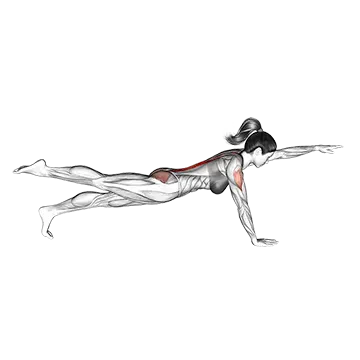
The Bird Dog sets up in a quadruped position (hands and knees on the floor) and extends the opposite arm and leg simultaneously while maintaining trunk stability. The pattern produces strong combined back and core stability work.
For bodyweight back training, the bird dog is one of the foundational back stability exercises. The pattern hits the deep back muscles (multifidus, erectors) through anti-rotation and extension demands. Run it for 3 sets of 8 to 10 reps per side as deep back stability work.
Set up on hands and knees with hands shoulder-width and knees hip-width. Extend one arm forward while simultaneously extending the opposite leg back. Hold the extended position briefly while maintaining a stable, level trunk. Return to the start. Switch sides on each rep.
Rear Pull Up

The Rear Pull Up grips an overhead bar with palms facing away and pulls the body up so the bar travels behind the head (rather than in front of the chest). The pattern emphasizes the upper-back and middle-back muscles.
For bodyweight back training, the rear pull-up emphasizes the upper-back and middle-back loading that standard pull-ups produce less of. The pattern hits the trapezius and rhomboids through the behind-the-head pulling motion. Run it for 3 sets of 6 to 10 reps as advanced upper-back work for lifters with adequate shoulder mobility.
Hang from an overhead bar with palms facing away (overhand grip) and hands wider than shoulder-width. Pull the body up so the bar travels behind the head, finishing with the bar behind the neck at upper-back level. Lower under control to the start. Use moderate loads and only attempt with adequate shoulder mobility.
How To Program These Workouts
A productive bodyweight back session pulls 6 to 8 exercises from the list above. A balanced session includes one heavy vertical pull (pull-up), one varied vertical pull (chin-up or wide-grip pull-up), one horizontal pull (inverted row), one suspension variation (suspension underhand row), one lower-back exercise (superman), one upper-back posture exercise (prone Y raise), and one stability exercise (bird dog). Run primary pull-up variations for 4 sets of 6 to 12 reps; horizontal pulls for 4 sets of 8 to 12 reps; isolation work (Y raise, superman) for 3 sets of 12 to 15 reps; stability work for 3 sets of 8 to 10 reps per side.
Train bodyweight back sessions 2 to 3 times per week with full rest days between sessions. The back recovers within 48 to 72 hours of moderate training and gets significant indirect work from any pulling exercise. Most successful programs include 2 to 3 weekly back-focused sessions, which produces strong cumulative volume with adequate recovery. The format works particularly well as a complete training program (for travelers, home gym setups with a pull-up bar) or as supplementary back work alongside traditional gym training.
For broader back programming, see our how to build a bigger back and how to grow your lats. For specific bodyweight back work with calisthenics, see our best calisthenics back workouts.
Final Thoughts
The best bodyweight back workouts deliver real back development through equipment-minimal exercises that hit every major back muscle group from vertical pulling to horizontal pulling to posture work. The combination of pull-up variations, inverted rows, lower-back exercises, and stability work covers every major back function and produces broader development than single-exercise back training. For lifters who want effective back training without commercial gym access, want to add varied stimulus to existing programs, or prefer bodyweight training as a primary modality, dedicated bodyweight back training is one of the most accessible and effective options available.
Stay focused on the stretched position at the bottom of every pull-up and row. The most common bodyweight back training mistake is short-changing the stretch position by stopping pulls before reaching full lat stretch (full extension at the bottom). The fix: emphasize the full lat stretch at the bottom of every pull-up variation and inverted row. The lats and back muscles grow most when trained through their full stretched range. Quality reps with full stretch produce stronger back development than higher rep counts with incomplete range of motion.
Frequently Asked Questions
Can you build a strong back with only bodyweight?
Yes for beginners through advanced lifters. Bodyweight back training produces real back muscle development through pull-up variations, inverted rows, and posture work. Most lifters can build the back fitness level of someone who lifts weights 2 to 3 days per week using only bodyweight back exercises. Advanced lifters chasing maximum back strength typically benefit from adding weighted pull-ups (with weight vests or dip belts) and traditional barbell rowing, but bodyweight foundations produce strong development for years of consistent training.
How often should I train back with bodyweight?
Two to three times per week works for most lifters. The back recovers within 48 to 72 hours of moderate training. Most successful programs include 2 to 3 weekly back-focused sessions, which produces strong cumulative volume with adequate recovery. The 2 to 3-session structure also allows differentiating between sessions: one heavier strength session (lower reps, harder variations) and one higher-volume session (higher reps, easier variations).
What if I can’t do a pull-up?
Start with horizontal pulling exercises (inverted row variations) and easier vertical pulling progressions (negative pull-ups, banded pull-ups, jumping pull-ups). Most lifters can progress from inverted rows to a first strict pull-up within 8 to 16 weeks of consistent training. The progression: inverted row (start point), then negative pull-ups (lowering from the top position slowly), then banded pull-ups (with assistance from resistance bands), then strict pull-ups. Each step typically takes 2 to 4 weeks of consistent practice.
Bodyweight back or weighted back training?
Different equipment serves different goals. Bodyweight back training produces real back development with minimal equipment investment, fits any setting, and emphasizes pulling strength through full body movement. Weighted back training (barbell rows, dumbbell rows, cable work) enables heavier loading and isolated rowing variations. Most successful programs include both: bodyweight back work for foundational pulling strength and weighted work for additional volume and varied loading.
Do I need a pull-up bar for bodyweight back training?
A pull-up bar significantly expands the exercise selection but isn’t strictly required. Without a pull-up bar, the exercise selection is limited to inverted rows (using a low bar, sturdy table, or low rings), supermans, prone Y raises, and bird dogs. Adding a pull-up bar enables the most effective bodyweight back exercises (pull-up variations) for stronger lat development. Most home gym setups benefit significantly from a $30 to $50 doorway pull-up bar for the expanded back training options.