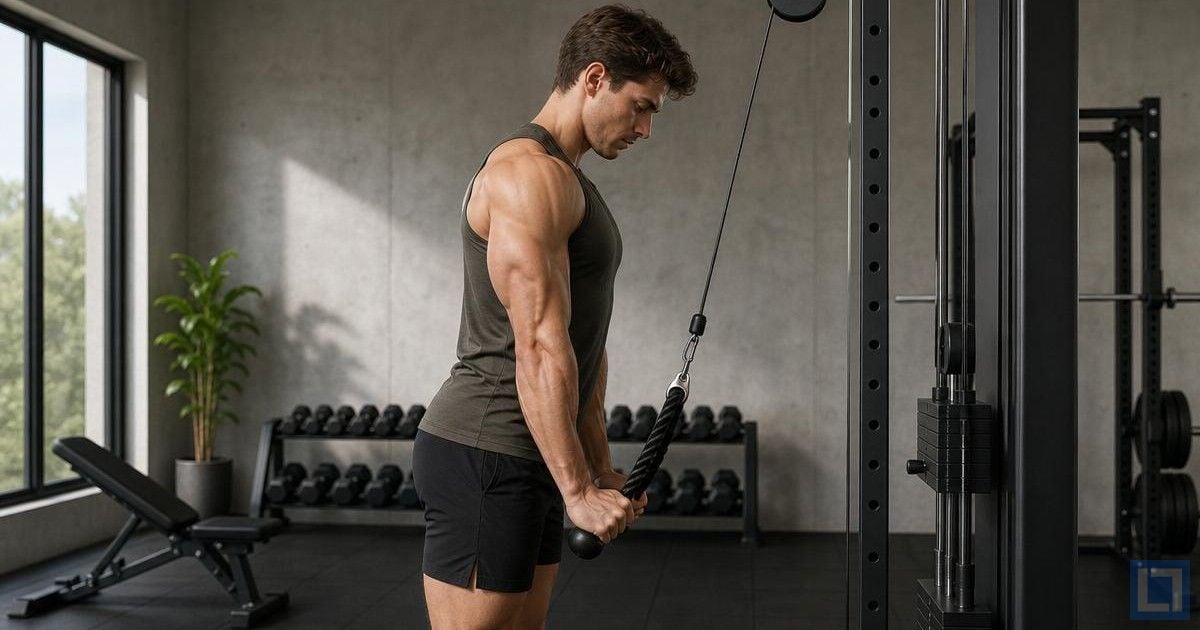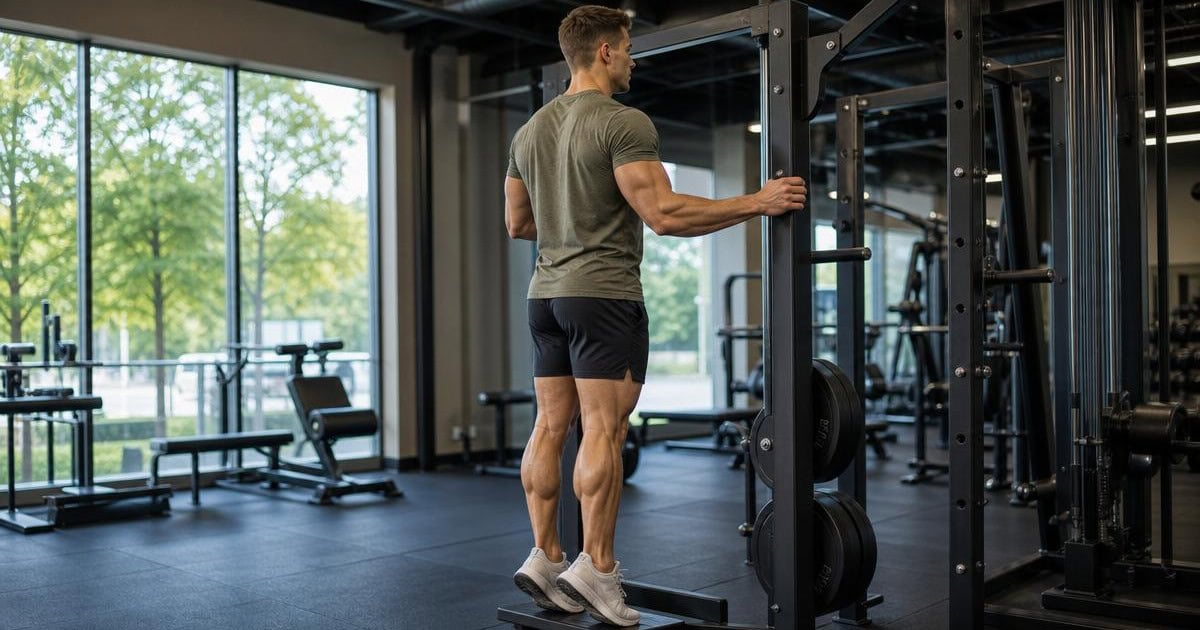
Tight calves are common in both active and sedentary populations – the calves work continuously during walking, running, and standing, and limited ankle mobility, sustained sitting, and high-heel wear all contribute to chronic tightness. Tight calves restrict ankle dorsiflexion, contribute to foot and Achilles pain, alter movement mechanics, and limit performance in athletic activities. Addressing calf tightness improves ankle function, reduces injury risk, and supports better movement throughout the lower body.
These ten exercises address tight calves comprehensively. Targeted stretches (wall stretches, edge stretches, lunging stretches) lengthen the calf muscles directly. Loaded strengthening (machine and bodyweight calf raises) addresses the weakness that often accompanies tightness. Ankle mobility work (circles) addresses the ankle restriction that contributes to calf tension. Balancing work (tibialis stretches) addresses the front-back lower leg balance. Dynamic loading (jump rope) builds elastic capacity. Together they produce sustainable improvement in calf function rather than temporary stretching effects.
Lever Standing Calf Raise

The Lever Standing Calf Raise performs loaded calf raises on a machine. The pattern strengthens the calves through full range loading.
For tight calves, loaded calf raises strengthen tight muscles to address weakness contributing to tightness. Run it for 3 sets of 12 to 20 reps as primary calf strength work.
Set up at a standing calf raise machine with the shoulders under the pads. Stand with the balls of the feet on the platform, heels hanging off. Lower the heels below the platform level for full stretch. Press up onto the toes by extending the ankles, squeezing the calves. Lower under control. The pattern strengthens the calves through full range of motion – critical for addressing tight calves because tight muscles are often weak muscles. Strengthening the calves through full range stretch and contraction addresses both the strength and length deficits that produce tightness.
Downward Facing Dog
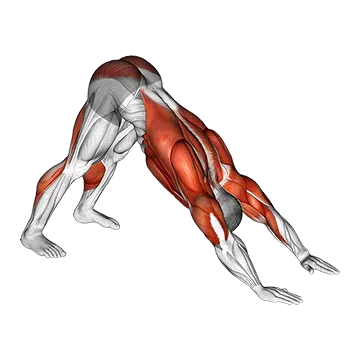
The Downward Facing Dog performs the yoga inverted V position. The pattern stretches the calves and hamstrings together.
For tight calves, downward dog provides a powerful calf and posterior chain stretch. Run it for 3 sets of 30 to 60 second holds as primary stretch work.
Begin in a high plank position with hands shoulder-width and feet hip-width. Push the hips up and back, straightening the legs and creating an inverted V shape with the body. Press the heels toward the floor, feeling the stretch through the calves and hamstrings. Hold the position. The pattern stretches the calves through extreme dorsiflexion combined with hamstring stretch – excellent for tight calves because the position addresses the entire posterior chain. Foundational stretch that addresses calf tightness alongside related hamstring and ankle tightness.
Calf Stretch with Hands Against Wall

The Calf Stretch With Hands Against Wall performs a wall-supported calf stretch. The pattern provides targeted gastrocnemius stretch.
For tight calves, wall calf stretches directly target the gastrocnemius. Run it for 3 sets of 30 to 60 second holds per side as targeted stretch work.
Stand facing a wall, arm’s length away. Place both hands on the wall at shoulder height. Step one foot back about 2 to 3 feet, keeping that back leg straight and the heel pressed firmly into the floor. Lean forward against the wall, feeling the stretch through the calf of the back leg. Hold. Switch sides. The pattern provides targeted gastrocnemius stretch through the wall support – excellent for tight calves because the straight back leg with heel pressed down isolates the larger calf muscle (gastrocnemius). Foundational targeted calf stretch that can be performed anywhere with a wall.
Seated Calf Stretch

The Seated Calf Stretch performs a long-sit reach to toes. The pattern stretches the calves with the legs supported.
For tight calves, seated calf stretches provide accessible stretching with full leg support. Run it for 3 sets of 30 to 60 second holds as accessible stretch work.
Sit on the floor with the legs extended straight in front. Reach forward to grip the toes or use a strap around the feet. Pull the toes back toward the body, feeling the stretch through the calves. Hold. The pattern stretches the calves with the legs fully supported – excellent for those who find standing calf stretches difficult or want to add another angle. The seated position allows focused calf stretching without the body weight loading that standing variations provide. Accessible variation suitable for all levels.
Standing Gastrocnemius Calf Stretch

The Standing Gastrocnemius Calf Stretch performs a curb or stair-edge calf stretch. The pattern provides aggressive gastrocnemius stretch through extreme dorsiflexion.
For tight calves, edge stretches provide aggressive calf stretching. Run it for 3 sets of 30 to 60 second holds per side as deep stretch work.
Stand on a stair or curb with the balls of the feet on the edge and heels hanging off. Lower the heels below the edge level, allowing the body weight to pull the heels down and stretch the calves. Hold the stretched position with the legs straight. The pattern stretches the gastrocnemius through extreme dorsiflexion – excellent for tight calves because the body weight loading produces deeper stretch than supported variations. Aggressive stretch suitable for substantial calf tightness, providing the depth that wall stretches alone may not reach.
Ankle Circles

The Ankle Circles performs ankle mobility circles. The pattern develops ankle mobility that supports calf health.
For tight calves, ankle circles improve ankle mobility that affects calf function. Run it for 2 sets of 10 circles per direction per side as mobility work.
Sit or stand with one leg lifted slightly. Slowly rotate the ankle in a complete circle, moving through the full range of motion. Reverse direction. Switch sides. The pattern develops ankle mobility through all planes of motion – critical for tight calves because limited ankle mobility contributes to compensatory calf tension. Improving ankle mobility allows the calves to function through their natural range without working harder to compensate for restricted ankle motion. Foundational mobility work for tight calves.
Lunging Straight Leg Calf Stretch
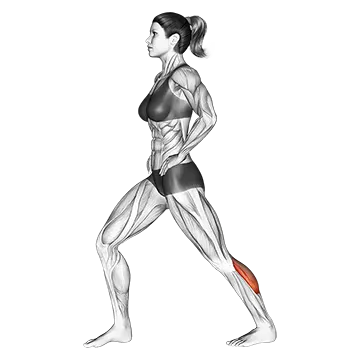
The Lunging Straight Leg Calf Stretch performs lunging calf stretches. The pattern provides loaded calf stretch through the lunge position.
For tight calves, lunging calf stretches provide active stretch through the lunge pattern. Run it for 3 sets of 30 to 60 second holds per side as active stretch work.
Stand in a lunge position with one foot 2 to 3 feet in front of the other. Keep the back leg straight with the heel pressed into the floor. Bend the front knee while keeping the back heel down, leaning forward to deepen the back calf stretch. Hold. Switch sides. The pattern provides loaded calf stretch through the lunge – the body weight loading and active position deepens the stretch beyond passive variations. Excellent active stretch that combines calf stretching with hip flexor stretching for full posterior chain mobility.
Bodyweight Standing Calf Raise

The Bodyweight Standing Calf Raise performs bodyweight calf raises. The accessible pattern strengthens calves anywhere.
For tight calves, bodyweight calf raises strengthen calves without equipment. Run it for 3 sets of 15 to 25 reps as accessible strength work.
Stand with feet shoulder-width on the floor or with the balls of the feet on a step (heels hanging off). Press up onto the toes by extending the ankles. Hold the peak briefly. Lower under control. If using a step, lower the heels below the step level for full stretch. The pattern strengthens the calves accessibly – excellent for tight calves because consistent bodyweight strengthening can be performed daily without equipment. Strong calves resist tightness better than weak calves, so consistent strengthening complements stretching work for sustainable improvement.
Standing Tibialis Anterior Stretch

The Standing Tibialis Anterior Stretch performs a front-of-shin stretch. The pattern addresses the muscle that opposes the calves.
For tight calves, tibialis stretches balance front-back lower leg tension. Run it for 3 sets of 30 to 45 second holds per side as balanced lower leg work.
Stand with one foot pointed and the top of the toes pressed into the floor. Press downward through the top of the foot, feeling the stretch through the front of the shin. Hold. Switch sides. The pattern stretches the tibialis anterior – the muscle on the front of the shin that opposes the calves. Tight calves often coexist with weak or restricted tibialis anterior, and addressing both sides of the lower leg supports balanced function. Foundational complement to calf stretching for complete lower leg work.
Jump Rope

The Jump Rope performs jump roping. The pattern strengthens calves dynamically while improving ankle function.
For tight calves, jump rope strengthens calves through dynamic plyometric loading. Run it for 3 sets of 60 to 120 seconds as dynamic strengthening work.
Hold a jump rope with handles at the sides. Swing the rope overhead and forward, jumping over it as it passes under the feet. Continue jumping with a soft bounce, landing on the balls of the feet. The pattern provides dynamic plyometric loading for the calves – excellent for tight calves because the rapid eccentric-concentric loading addresses both strength and elasticity. Builds the dynamic strength and elastic capacity that supports healthy calf function during walking, running, and athletic movement.
How To Program These Workouts
Tight calf work responds best to daily attention rather than weekly sessions – calves respond to consistent low-volume work better than infrequent intensive sessions. Daily 5 to 10 minute sessions targeting the calves produce measurable improvement within 4 to 8 weeks for most chronic tightness.
Structure daily calf work as follows: 2 to 3 calf stretches (wall, edge, downward dog) for 30 to 60 second holds each, ankle circles for 10 reps each direction per side, and either bodyweight calf raises or tibialis stretches as time allows. Include jump rope or dedicated calf strengthening 2 to 3 times per week. Consistency matters more than session length – 5 minutes daily produces better results than 30 minutes once weekly.
Combine calf stretching with the underlying causes when possible. For tight calves driven by sedentary work, address calf tightness alongside hip flexor stretching and posture work. For tight calves from running, balance calf work with proper running shoes and progressive training rather than aggressive volume increases. Sustainable improvement requires addressing the contributing factors alongside the direct calf work.
Final Thoughts
These ten exercises provide the complete toolkit for addressing tight calves. The targeted stretches lengthen the calves directly. The loaded strengthening addresses the weakness component of tightness. The mobility work addresses ankle restriction. The balanced work addresses lower leg muscle balance. Together they produce sustainable improvement rather than temporary stretching effects.
Improving tight calves requires consistent daily attention combined with addressing the contributing causes. Most cases of chronic calf tightness improve substantially within 4 to 12 weeks of consistent daily work. The combination of targeted stretching, balanced strengthening, and ankle mobility work produces the durable improvement that occasional intensive stretching alone cannot achieve.
Frequently Asked Questions
Why do calves get tight?
Calves get tight from several causes – sustained sitting (calves shorten over time), high-heel wear (calves shorten due to elevated heel position), excessive running without proper recovery, ankle mobility restrictions, calf weakness, and muscle imbalance with the tibialis anterior. Multiple factors typically contribute, requiring comprehensive rather than single-issue addressing.
Should tight calves be stretched daily?
Yes – tight calves respond best to daily attention rather than weekly intensive sessions. Daily 5 to 10 minute sessions targeting calves produce measurable improvement within 4 to 8 weeks for most chronic tightness. Consistency matters more than session length for sustainable improvement.
Can strengthening help with tight calves?
Yes – tight muscles are often weak muscles, and strengthening through full range of motion addresses both the strength and length deficits that produce tightness. Loaded calf raises through full range (with the heel dropping below the toes for stretch) provide both strengthening and stretching benefit. Strong calves resist tightness better than weak calves.
Do tight calves cause foot pain?
Yes – tight calves contribute to foot pain through several mechanisms. They limit ankle dorsiflexion, forcing compensation through the foot. They tension the Achilles tendon and plantar fascia, contributing to Achilles tendinitis and plantar fasciitis. Addressing calf tightness often reduces these foot pain conditions when calf restriction is the primary cause.
Should calf stretches feel painful?
Calf stretches should feel like a strong stretch sensation but not painful. Sharp, burning, or radiating pain indicates excessive stretching. Hold stretches at moderate intensity for 30 to 60 seconds rather than pushing into pain. Consistent moderate-intensity stretching produces better results than aggressive painful stretching, which can cause tissue irritation.