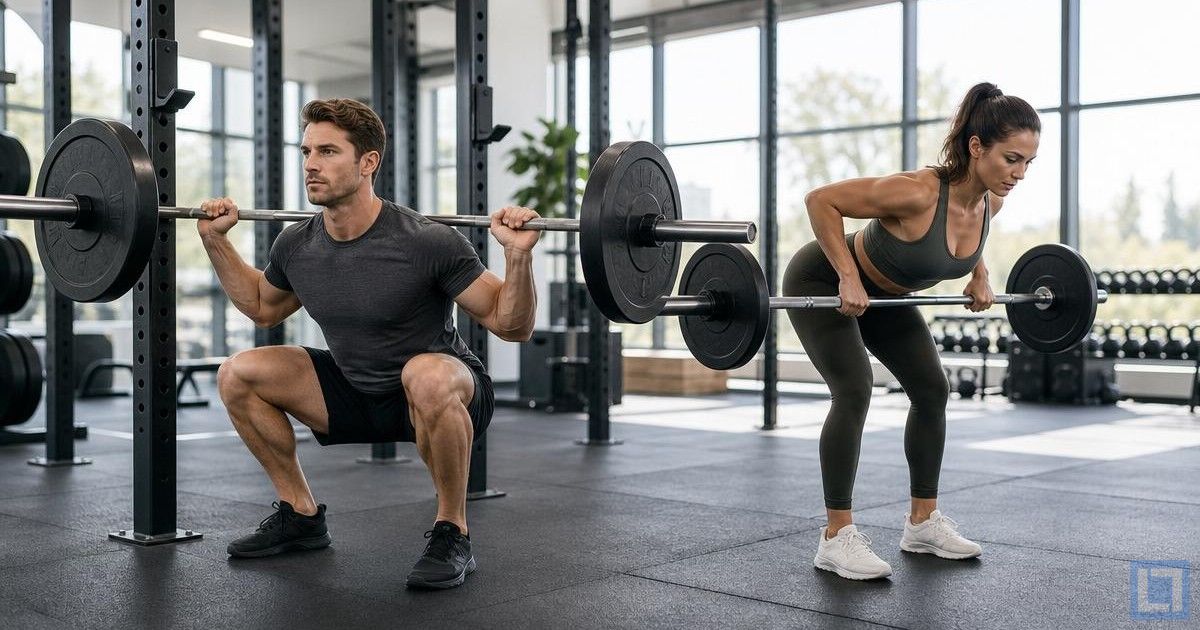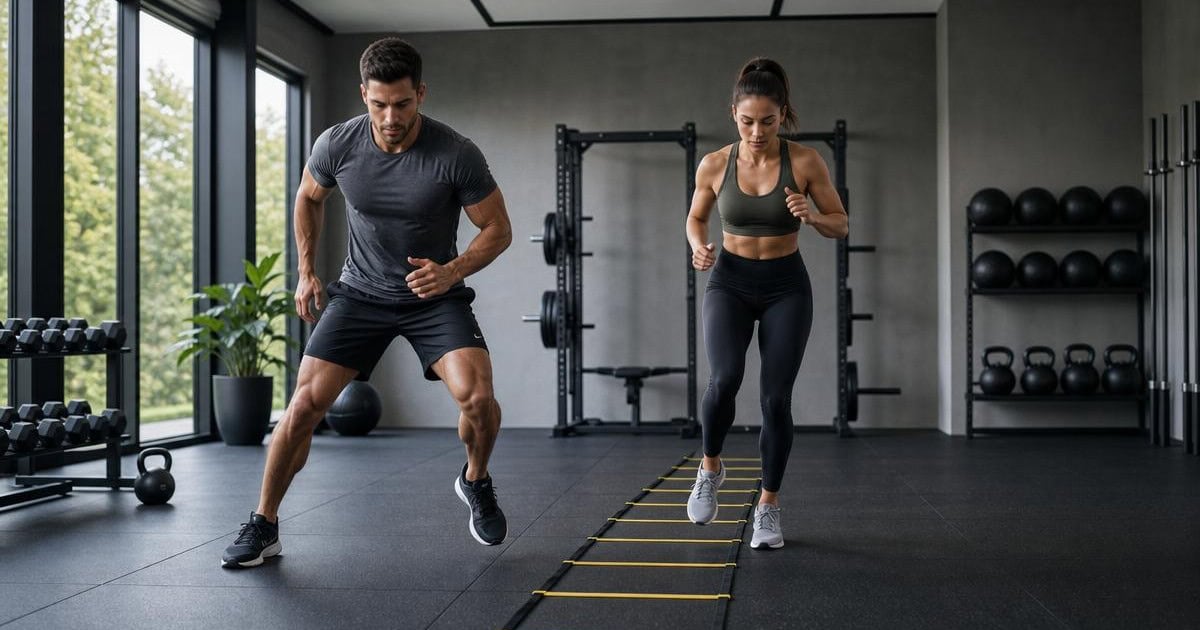
Table tennis demands a unique combination of physical qualities – explosive footwork for rapid lateral and forward movement, rotational power that drives forehand and backhand strokes, core stability that transmits force from legs through trunk to racket, and balanced shoulder function that withstands the repetitive stroke patterns. Despite being a precision sport, table tennis at competitive levels places substantial physical demands that benefit from specific training.
These ten exercises cover the complete table tennis conditioning toolkit. Bulgarian split squats and jump squats build the leg strength and explosive power for rapid footwork. Medicine ball rotational throws and Russian twists develop the rotational power and core endurance for stroke production. Front and side planks build the core stability that quality strokes require. Bent-over rows, band pull-aparts, push-ups, and Y-raises build balanced upper body strength and shoulder health. Together they support the physical demands of competitive play.
Dumbbell Bulgarian Split Squat
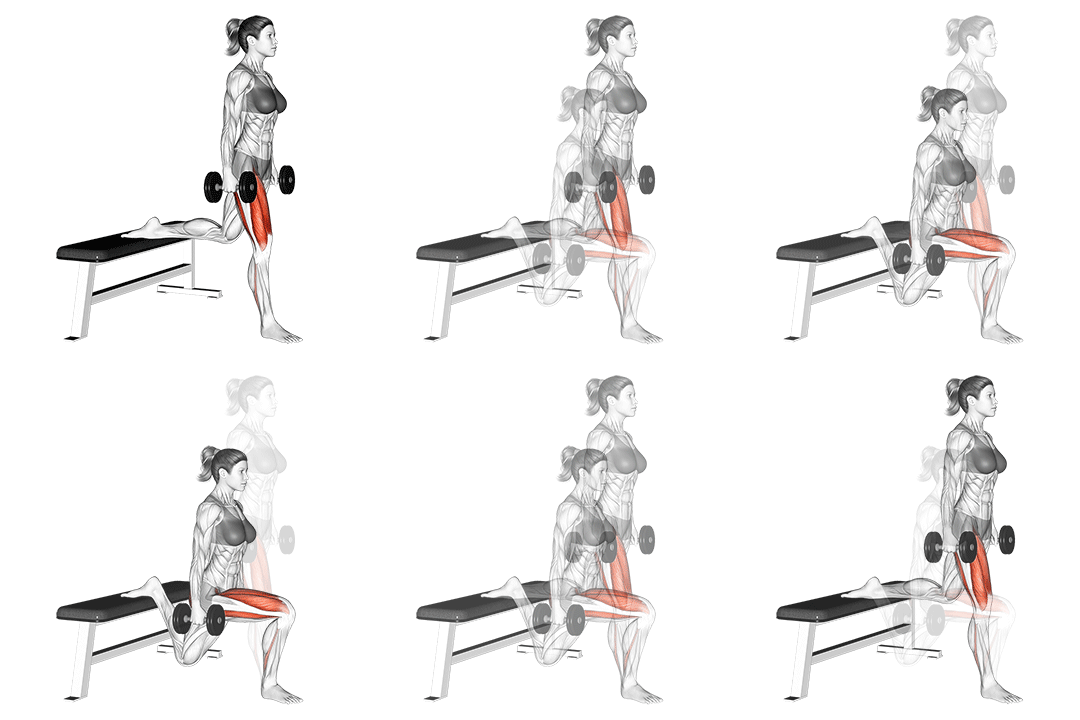
The Dumbbell Bulgarian Split Squat performs Bulgarian split squats. The unilateral pattern develops the per-leg power table tennis demands.
For table tennis conditioning, Bulgarian split squats build unilateral leg strength for the constant single-leg loading of play. Run it for 3 sets of 8 to 12 reps per leg as unilateral work.
Stand 2 to 3 feet in front of a bench. Place the top of the rear foot on the bench behind. Hold dumbbells in each hand at the sides. Squat down by bending the front knee deeply. Lower until the front thigh is parallel to the floor. Drive back up through the front heel. The pattern develops unilateral leg strength critical for table tennis – the sport involves constant single-leg loading during footwork, lateral movement, and the lunging shots that the game demands. Strong unilateral leg strength addresses the per-leg power requirements that table tennis movement demands.
Jump Squat

The Jump Squat performs explosive bodyweight squats. The plyometric pattern develops the explosive footwork power table tennis requires.
For table tennis conditioning, jump squats develop the explosive power for rapid footwork. Run it for 3 sets of 6 to 10 reps as explosive work.
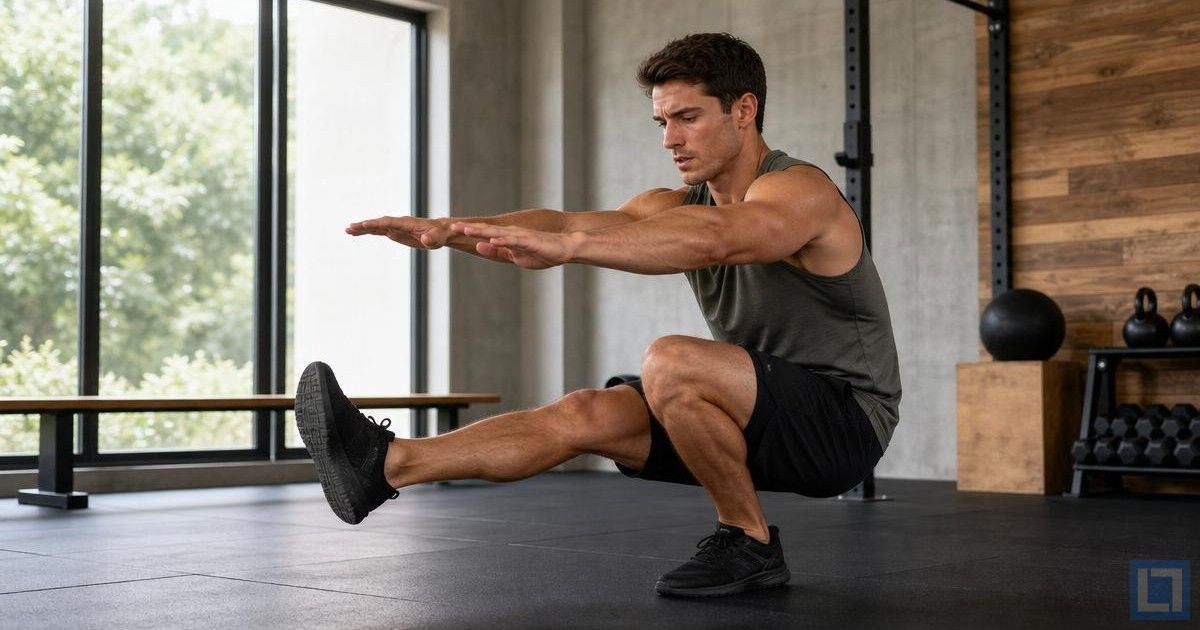
Stand with feet shoulder-width and hands at the chest or sides. Squat down to a quarter squat depth. Drive up explosively to jump straight up. Land softly with knees bent and immediately descend into the next squat. The plyometric pattern develops explosive leg power – critical for table tennis because the sport demands continuous rapid footwork, explosive direction changes, and quick adjustments to ball position. Excellent power-development exercise that translates directly to the explosive footwork that competitive play demands.
Medicine Ball Rotational Throw
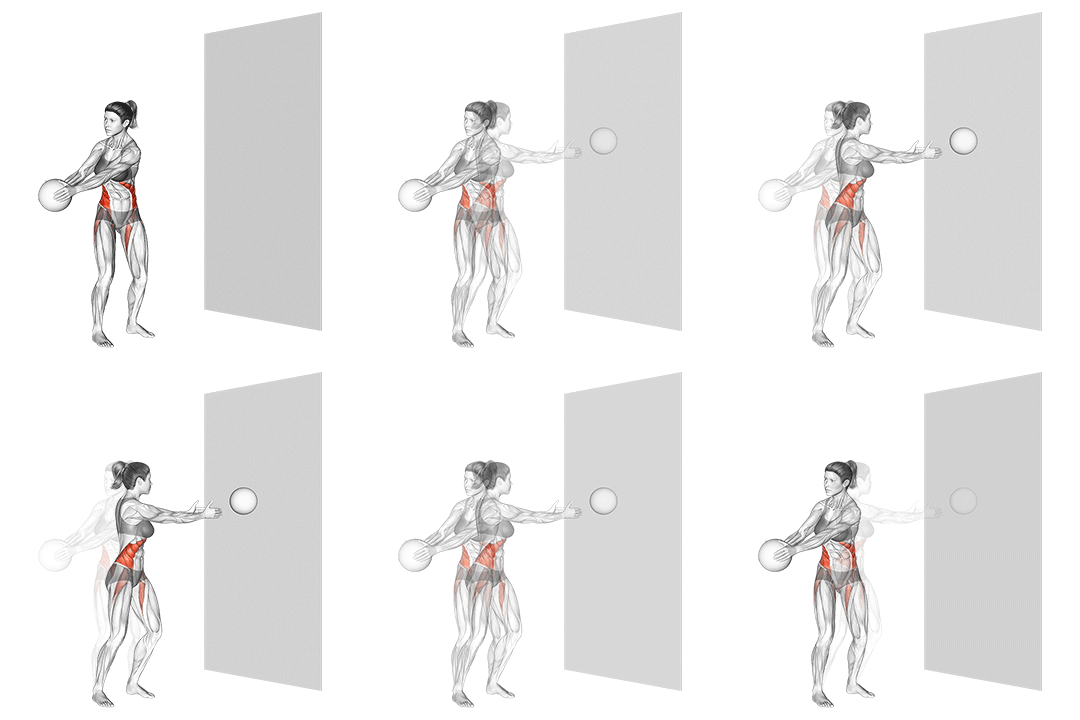
The Medicine Ball Rotational Throw performs explosive rotational throws against a wall. The pattern develops the rotational power table tennis demands.
For table tennis conditioning, rotational throws build the swing power for forehand and backhand. Run it for 3 sets of 6 to 10 reps per side as rotational work.
Stand 3 to 4 feet from a wall, side-on, holding a medicine ball at the chest. Rotate the body away from the wall, then explosively rotate toward the wall while throwing the ball forcefully. Catch on the rebound and reset. The pattern develops rotational power – critical for table tennis because all forehand and backhand strokes are driven by trunk rotation. The rotational power that drives stroke speed and topspin generation comes from the same trunk rotation patterns trained in this exercise.
Front Plank
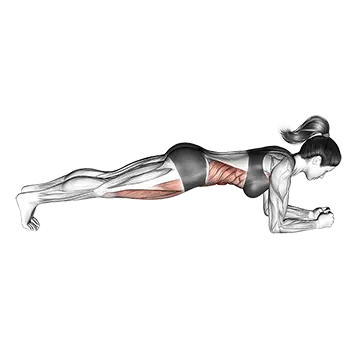
The Front Plank performs static plank holds. The pattern develops the core stability table tennis requires for stroke production.
For table tennis conditioning, front planks build core stability for stroke production. Run it for 3 sets of 30 to 60 second holds as core work.
Position face-down on the forearms with elbows under the shoulders, body in a straight line from head to heels. Hold the position with the core engaged, glutes tight, and back neutral. Continue for time. The plank develops isometric core strength – critical for table tennis because every stroke requires stable core function to transmit force from the legs through the trunk to the racket. Strong core stability supports stroke quality and reduces fatigue throughout long matches.
Side Plank
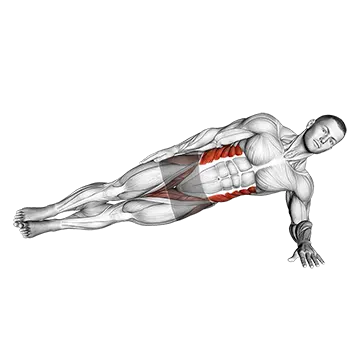
The Side Plank performs static side plank holds. The pattern develops lateral core stability for table tennis footwork.
For table tennis conditioning, side planks build lateral core strength for footwork. Run it for 3 sets of 20 to 45 second holds per side as lateral core work.
Lie on one side with the bottom forearm on the floor, elbow under the shoulder. Lift the hips so the body forms a straight line from head to feet, supported on the bottom forearm and bottom foot. Hold the position. Switch sides. The pattern develops lateral core stability – critical for table tennis because the constant lateral movement, side-stepping, and lunging shots all demand strong oblique and lateral core function. Builds the side-on core strength that supports the lateral movement patterns the sport requires.
Dumbbell Russian Twist

The Dumbbell Russian Twist performs seated rotational core work. The pattern develops the rotational core endurance table tennis demands.
For table tennis conditioning, Russian twists build rotational core endurance for sustained stroke production. Run it for 3 sets of 12 to 16 total touches as rotational core work.
Sit on the floor with knees bent and feet flat or lifted. Lean back to roughly 45 degrees with the torso. Hold a dumbbell at the chest with both hands. Rotate the torso to one side, lowering the dumbbell to the floor beside the hip. Reverse to the other side. Continue alternating. The pattern develops rotational core endurance – critical for table tennis because the sport demands sustained rotational core function throughout long matches with hundreds of strokes per game. Builds the rotational core stamina that supports stroke quality through fatigue.
Band Pull Apart
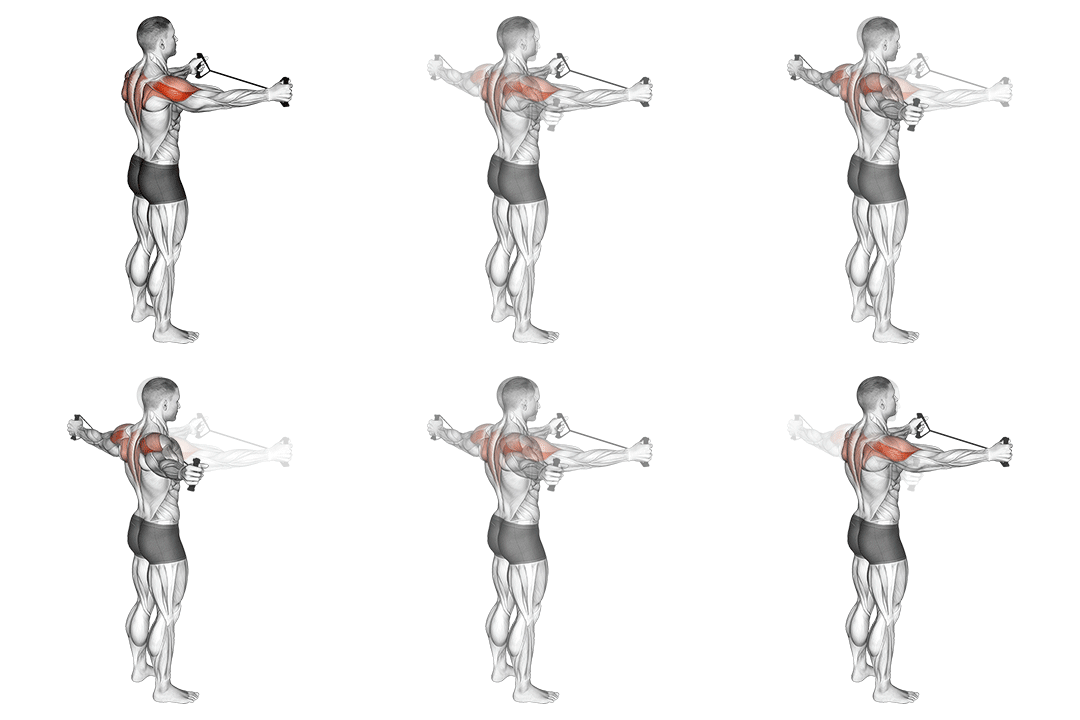
The Band Pull Apart performs horizontal abduction with band resistance. The pattern develops the shoulder posture table tennis requires.
For table tennis conditioning, band pull-aparts build the rear delt and trap strength for shoulder posture. Run it for 3 sets of 12 to 15 reps as posture work.
Hold a resistance band with arms straight at shoulder height, hands shoulder-width. Pull the band apart by squeezing the shoulder blades together while keeping the arms straight. Reach end range with the arms wide. Return under control. The pattern strengthens the rear delts, rhomboids, and middle traps – critical for table tennis because the repetitive forward arm motion of stroke production can lead to forward shoulder posture and imbalance. Strong upper back muscles counterbalance the forward stroke demands and maintain healthy shoulder mechanics.
Barbell Bent Over Row

The Barbell Bent Over Row performs heavy compound rows. The pattern builds the upper body pulling strength for racket control.
For table tennis conditioning, bent-over rows build pulling strength for shoulder balance. Run it for 3 sets of 6 to 10 reps as primary back work.
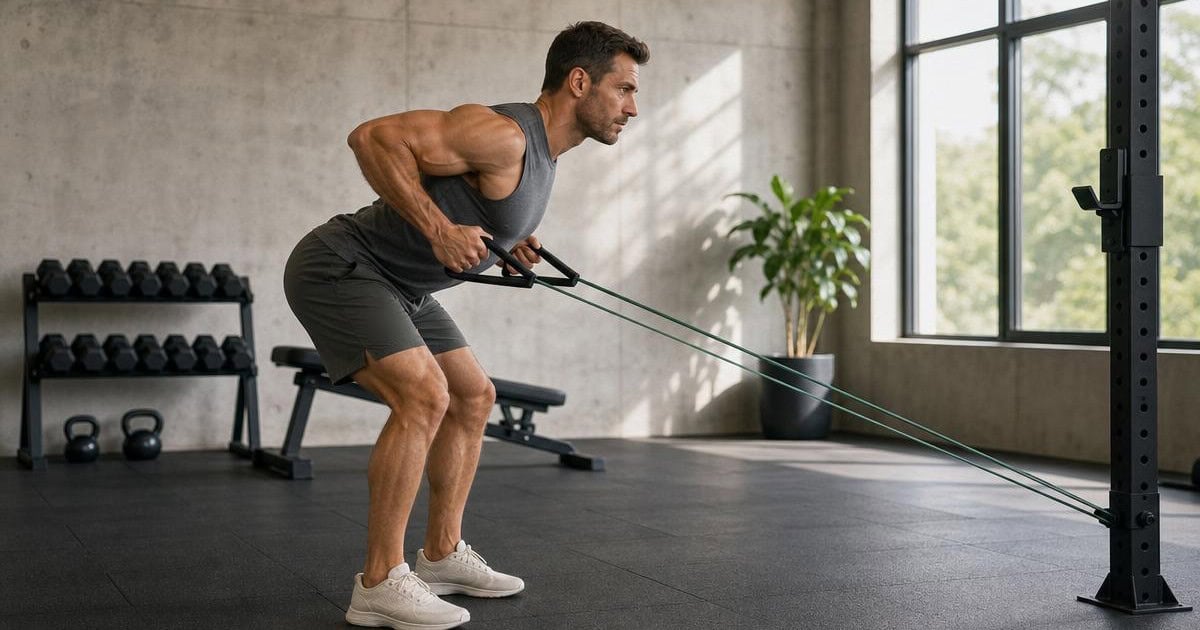
Stand with a barbell in front. Hinge at the hips with knees slightly bent until the torso is roughly 45 degrees from the floor, back flat. Grip the bar with hands shoulder-width. Pull the bar to the lower chest by driving the elbows back. Lower under control. The pattern develops back and pulling strength – critical for table tennis because the heavy pulling work counterbalances the forward stroke patterns that dominate the sport. Strong rows support healthy shoulder mechanics and provide the upper body strength foundation that stroke quality depends on.
Push Ups

The Push Up performs bodyweight pushups. The compound pattern develops upper body pushing strength accessible to table tennis players.
For table tennis conditioning, pushups build upper body pushing endurance. Run it for 3 sets of 12 to 20 reps as bodyweight pressing work.
Set up in a high plank position with hands shoulder-width apart, body in a straight line. Lower the body by bending the elbows until the chest is just above the floor. Press back up to the start by extending the elbows. The pattern develops chest, shoulder, and triceps strength through bodyweight loading – excellent for table tennis conditioning because the bodyweight pattern can be performed anywhere and builds the pushing endurance that supports stroke production. Accessible exercise that supports balanced upper body development.
Standing Y Raise

The Standing Y Raise performs overhead Y-pattern raises. The pattern strengthens the lower trap for shoulder posture.
For table tennis conditioning, Y-raises build lower trap function for shoulder health. Run it for 3 sets of 12 to 15 reps as shoulder posture work.
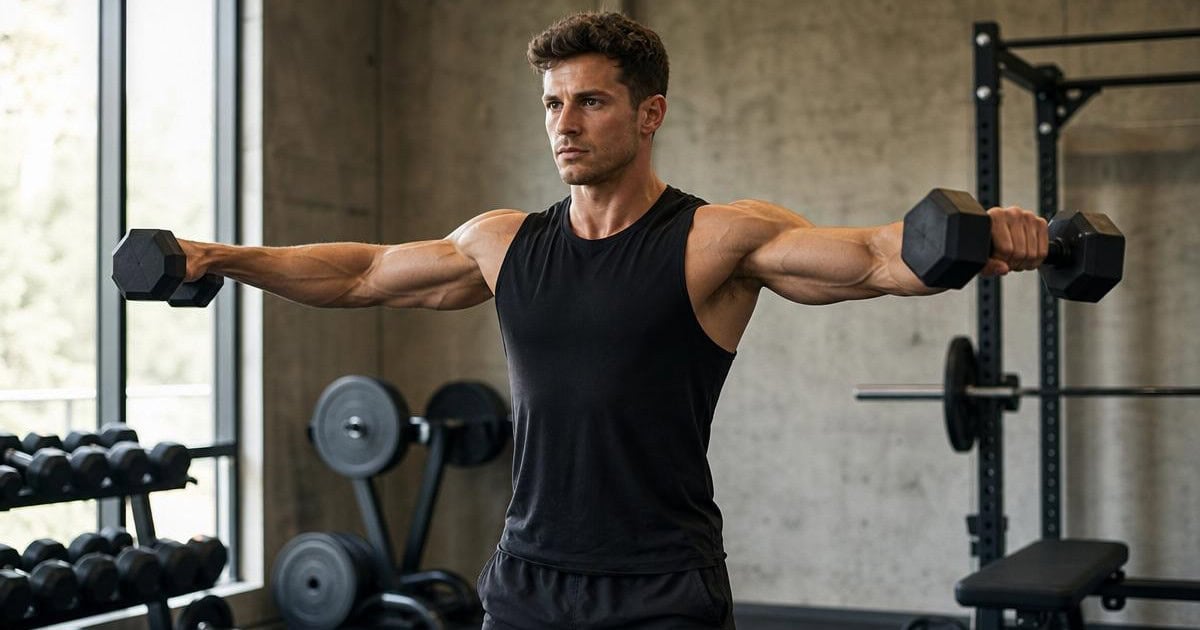
Stand or hinge slightly forward holding light dumbbells or no weight, arms hanging in front. Raise the arms overhead in a Y position – arms angled out at roughly 45 degrees from the body. Squeeze the lower traps to control the scapular upward rotation. Lower under control. The pattern strengthens the lower trapezius – critical for table tennis players because the repetitive arm motion of stroke production can lead to scapular dysfunction. Strong lower traps support proper scapular function and reduce shoulder stress from sustained play.
How To Program These Workouts
Table tennis conditioning works best with 2 to 3 strength sessions per week scheduled around training and match commitments. Total weekly training volume should account for the substantial racket time that competitive table tennis demands alongside strength work.
Structure sessions with explosive and core work emphasized. Sample week: Day 1 – Bulgarian split squats, jump squats, rotational throws, planks, push-ups. Day 2 – bent-over rows, walking lunges, Russian twists, band pull-aparts, Y-raises. Use 3 sets of 8 to 12 reps for unilateral leg work, 3 sets of 6 to 10 reps for explosive work, 3 sets of 30 to 60 second holds for core work, 3 sets of 12 to 15 reps for upper body posture work.
Progressive overload drives strength gains – add weight or reps when current loading becomes manageable. During heavy training and tournament periods, prioritize racket work and recovery with reduced strength training volume. Year-round consistency in core, shoulder, and explosive work builds the physical foundation that supports sustained stroke quality and competitive performance over seasons.
Final Thoughts
These ten exercises cover the complete table tennis conditioning approach. The unilateral leg work and explosive plyometrics build the footwork foundation. The rotational and core work develops the trunk function that drives stroke production. The shoulder posture and upper body work supports balanced stroke mechanics and reduces injury risk from repetitive play. Together they build the physical foundation that competitive table tennis demands.
Building table tennis readiness requires consistent strength training combined with extensive racket work and match play. Players who add structured strength work to their racket-focused training typically demonstrate measurably better physical performance than those who train racket skills alone. The strength foundation supports stroke quality, footwork, and durability through long competitive seasons.
Frequently Asked Questions
What physical qualities do table tennis players need most?
Table tennis demands explosive footwork for rapid lateral and forward movement, rotational power for stroke production, core stability for force transmission from legs through trunk, balanced shoulder function for repetitive stroke patterns, and unilateral leg strength for the constant single-leg loading of competitive play.
How often should table tennis players strength train?
2 to 3 strength sessions per week works well for most players, scheduled around training and match commitments. The volume should account for substantial racket time that competitive players require. During tournament periods, prioritize racket work with reduced strength training volume.
Should table tennis players focus on upper or lower body strength?
Both – while strokes are produced primarily by trunk rotation and arm action, the foundation comes from leg strength and footwork that puts the body in position to strike. Strong legs support footwork and core function, while balanced upper body strength supports stroke quality and shoulder durability.
Will heavy strength training slow down table tennis players?
No – properly programmed strength training builds the physical capacity that supports rather than hinders racket performance. The increase in functional strength typically improves footwork explosiveness and stroke power without slowing reflexes. The key is balanced training rather than pure maximal strength work that crowds out racket time.
Is table tennis training similar to tennis training?
Both share rotational power and unilateral leg demands, but differ in their movement patterns. Tennis involves more sustained running and serves with overhead components. Table tennis involves more rapid lateral footwork and shorter explosive movements. Both benefit from rotational power and core work, but specific movement training differs based on each sport’s footwork patterns.