The rhomboids are deep upper back muscles connecting the inner edge of the scapula to the thoracic spine. The rhomboid major and rhomboid minor work together to retract the scapulae, downwardly rotate them, and support the healthy shoulder posture that quality upper body function requires. Strong rhomboids contribute to upper back thickness, support all heavy pulling movements, balance forward shoulder posture, and provide the foundational scapular control that healthy shoulder mechanics depend on.
These ten exercises cover complete rhomboid development. Heavy compound rows (barbell bent-over rows, cable rows, one-arm rows, pull-ups) build the foundation through heavy scapular retraction loading. Direct retraction work (band pull-aparts) isolates the rhomboids through pure horizontal abduction. Specialized variations (face pulls, rear delt rows, Y-raises) target the rhomboids through different angles and combined patterns. Scapular control work (scap pull-ups, prone Y-raises) builds the scapular function that supports both rhomboid development and overall shoulder health.
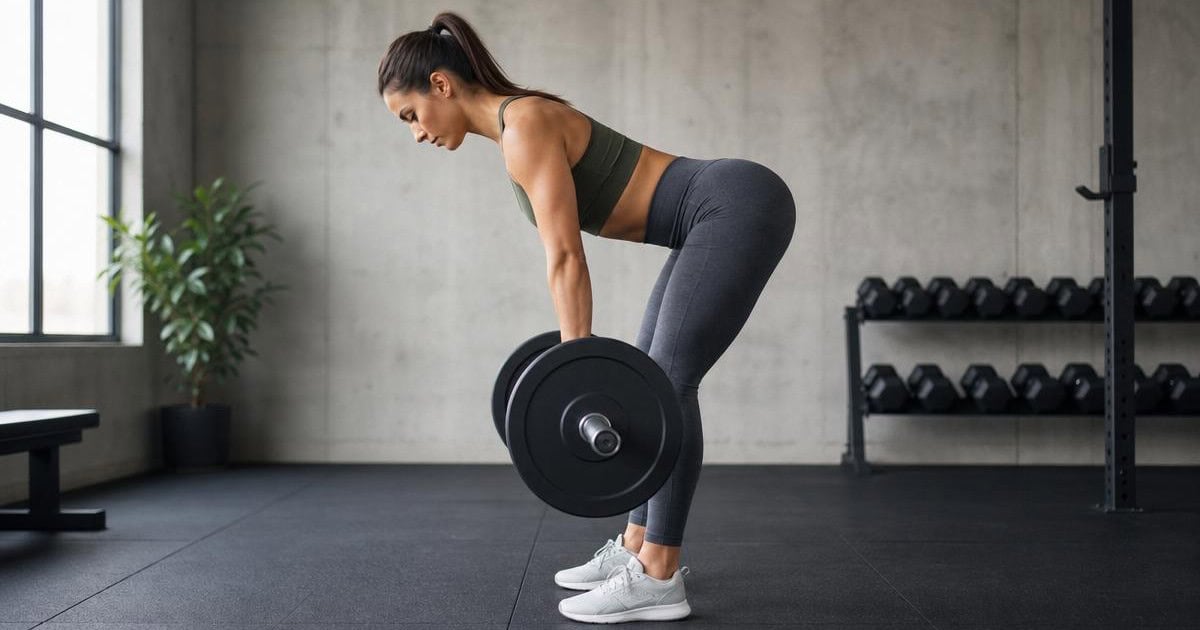
Barbell Bent Over Row

The Barbell Bent Over Row performs heavy compound rows. The pattern is foundational for rhomboid development through heavy scapular retraction.
For rhomboid development, bent-over rows allow the heaviest direct loading. Run it for 3 to 4 sets of 6 to 10 reps as primary rhomboid work.
Stand with a barbell in front. Hinge at the hips with knees slightly bent until the torso is roughly 45 degrees from the floor, back flat. Grip the bar with hands shoulder-width. Pull the bar to the lower chest by driving the elbows back. Squeeze the shoulder blades together at peak. Lower under control. The pattern develops the rhomboids through heavy scapular retraction – the rhomboids are primary scapular retractors, and heavy compound rows load this function with the maximum possible weight. Foundational rhomboid exercise that allows progressive heavy loading for substantial development.
Cable Seated Row

The Cable Seated Row performs seated cable rows. The pattern provides constant tension on the rhomboids through controlled retraction.
For rhomboid development, cable rows provide constant tension loading. Run it for 3 to 4 sets of 10 to 12 reps as constant tension work.
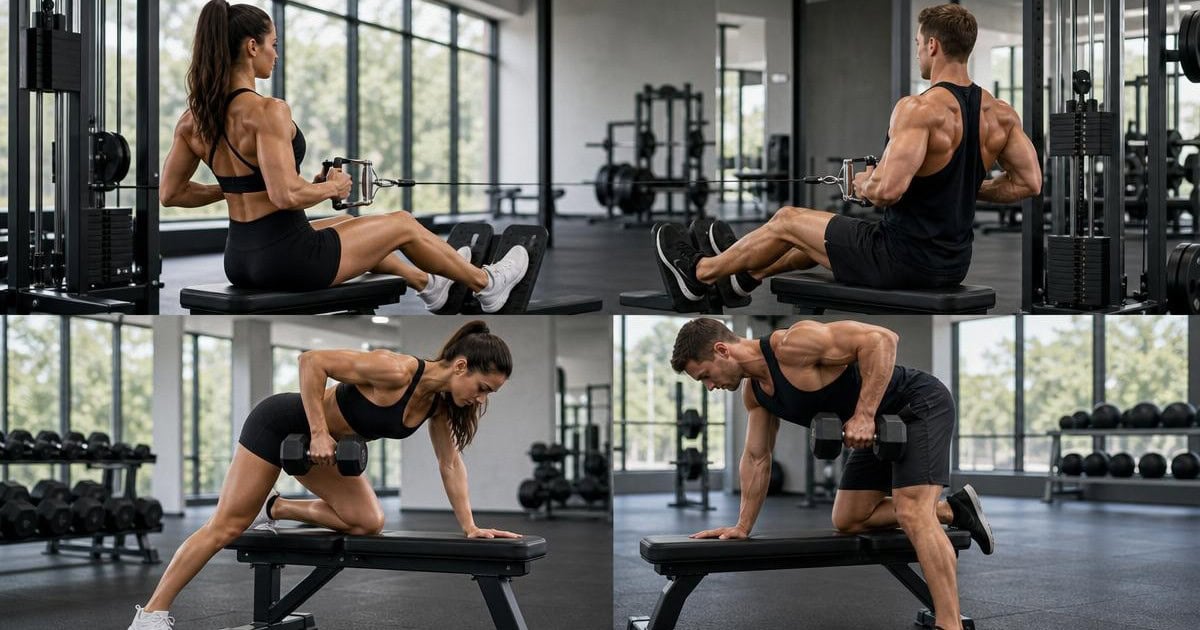
Sit at a cable row station with feet braced on the platform. Grip the handle with both hands. Pull the handle to the abdomen by driving the elbows back, keeping the torso upright. Squeeze the shoulder blades. Return under control. The pattern develops the rhomboids through controlled scapular retraction – the cable provides constant tension throughout the movement, forcing the rhomboids to work continuously. Excellent variation alongside barbell rows because the constant tension produces different stimulation than free weight variations.
Kettlebell One Arm Row

The Kettlebell One Arm Row performs single-arm kettlebell rows. The unilateral pattern develops per-side rhomboid loading.
For rhomboid development, one-arm rows address per-side asymmetries. Run it for 3 sets of 8 to 12 reps per side as unilateral work.
Place one hand and knee on a bench with the other foot on the floor. Hold a kettlebell with the free hand, arm extended. Pull the kettlebell to the hip by driving the elbow back. Squeeze the rhomboid at peak. Lower under control. Switch sides. The unilateral pattern develops the rhomboid with per-side loading – critical for addressing left/right asymmetries that bilateral row work can mask. Excellent variation alongside bilateral rows because the unilateral loading ensures both rhomboids receive equal stimulation.
Cable Standing Face Pull

The Cable Standing Face Pull performs face pulls from a high cable. The pattern targets the rhomboids alongside rear delt and lower trap work.
For rhomboid development, face pulls combine rhomboid work with rear delt balance. Run it for 3 sets of 12 to 15 reps as combined upper back work.
Set up at a high cable pulley with rope attachment at face height. Grip the rope with both hands, palms facing each other. Step back and pull the rope toward the face, keeping the elbows high and rotating the hands so the thumbs end up pointing back. Hold the peak contraction. Return under control. The pattern develops the rhomboids, rear delts, and lower traps together – the rhomboids work through scapular retraction while the rear delts handle horizontal abduction. Excellent combined upper back exercise.
Pull Up

The Pull Up performs bodyweight pull-ups. The compound pattern develops the rhomboids alongside the lats and biceps.
For rhomboid development, pull-ups provide compound vertical pulling that engages the rhomboids. Run it for 3 to 4 sets of 5 to 12 reps as compound pulling work.
Hang from a pull-up bar with hands shoulder-width or wider, palms facing forward. Pull the body upward until the chin is above the bar by driving the elbows down and back. Squeeze the shoulder blades together at peak. Lower under control to a full hang. The pattern develops the rhomboids alongside the lats and biceps – the rhomboids work intensely to retract the scapulae during the pull. Pull-ups build foundational upper body pulling capacity that supports rhomboid development through compound loading.
Band Pull Apart
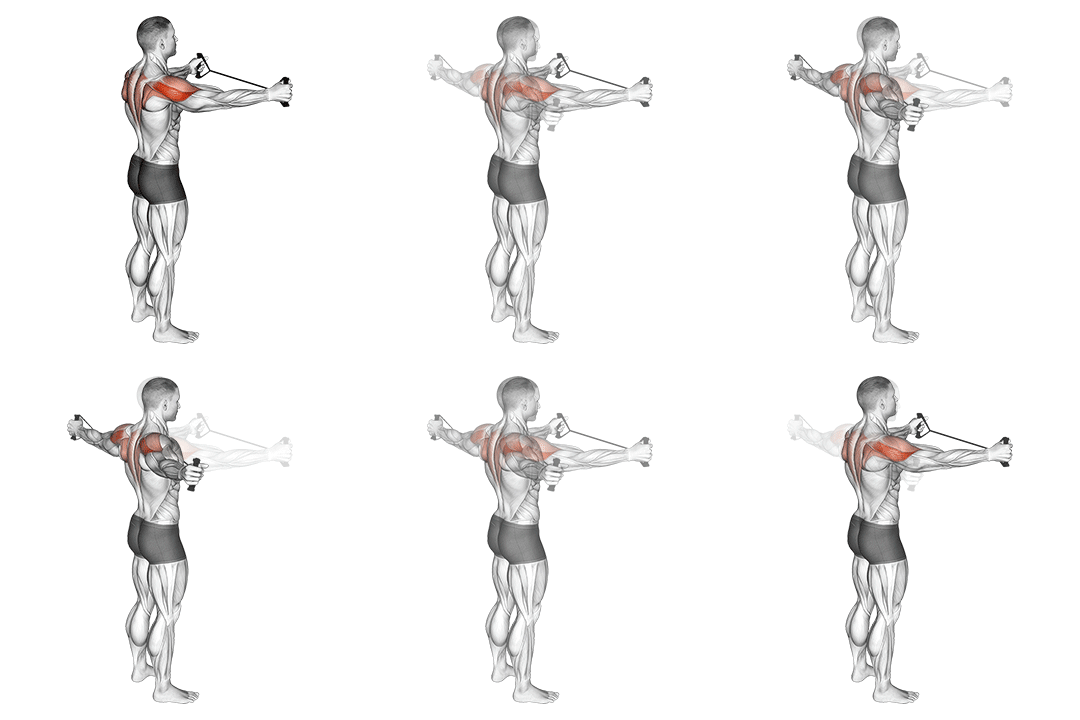
The Band Pull Apart performs horizontal abduction with band resistance. The pattern strengthens the rhomboids through horizontal scapular retraction.
For rhomboid development, band pull-aparts provide accessible rhomboid loading. Run it for 3 sets of 12 to 15 reps as direct retraction work.
Hold a resistance band with arms straight at shoulder height, hands shoulder-width. Pull the band apart by squeezing the shoulder blades together while keeping the arms straight. Reach end range with the arms wide. Return under control. The pattern strengthens the rhomboids and middle traps through pure horizontal abduction with scapular retraction. Excellent isolation exercise that targets the rhomboids without involving the lats and biceps that compound rows recruit. Accessible exercise that can be done anywhere with a band.
Prone Y Raise

The Prone Y Raise performs Y-pattern raises lying face-down. The pattern develops the rhomboids and lower traps together.
For rhomboid development, prone Y-raises isolate the rhomboids without momentum. Run it for 3 sets of 10 to 15 reps as isolation work.
Lie face-down on a flat or slightly inclined bench. Hold light dumbbells or no weight, arms hanging straight down. Raise the arms in a Y position above the head. Squeeze the rhomboids and lower traps at peak. Lower under control. The face-down position eliminates momentum and isolates the rhomboids and lower trapezius – excellent for rhomboid development because the strict positioning forces the small muscles to work without compensation. Pure isolation that complements compound row work for complete rhomboid development.
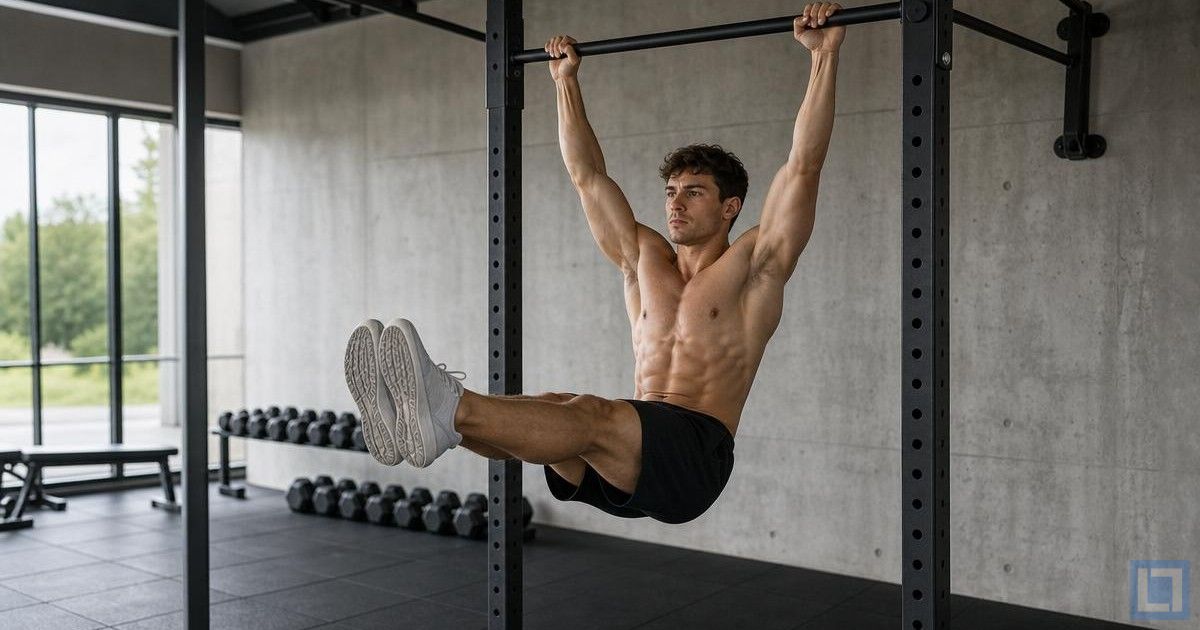
Scapular Pull Up

The Scapular Pull Up performs isolated scapular depression hangs. The pattern builds scapular control that engages the rhomboids.
For rhomboid development, scap pull-ups build scapular control with rhomboid engagement. Run it for 3 sets of 8 to 12 reps as scapular control work.
Hang from a pull-up bar with arms fully straight. Without bending the elbows, depress the scapulae by pulling the shoulders down and back. Hold the depressed position briefly. Return to a fully relaxed hang. The pattern develops scapular depression and retraction – the rhomboids work alongside the lower trapezius during the controlled scapular movement. Builds the scapular control that supports compound back movements and provides specific rhomboid stimulation through bodyweight loading.
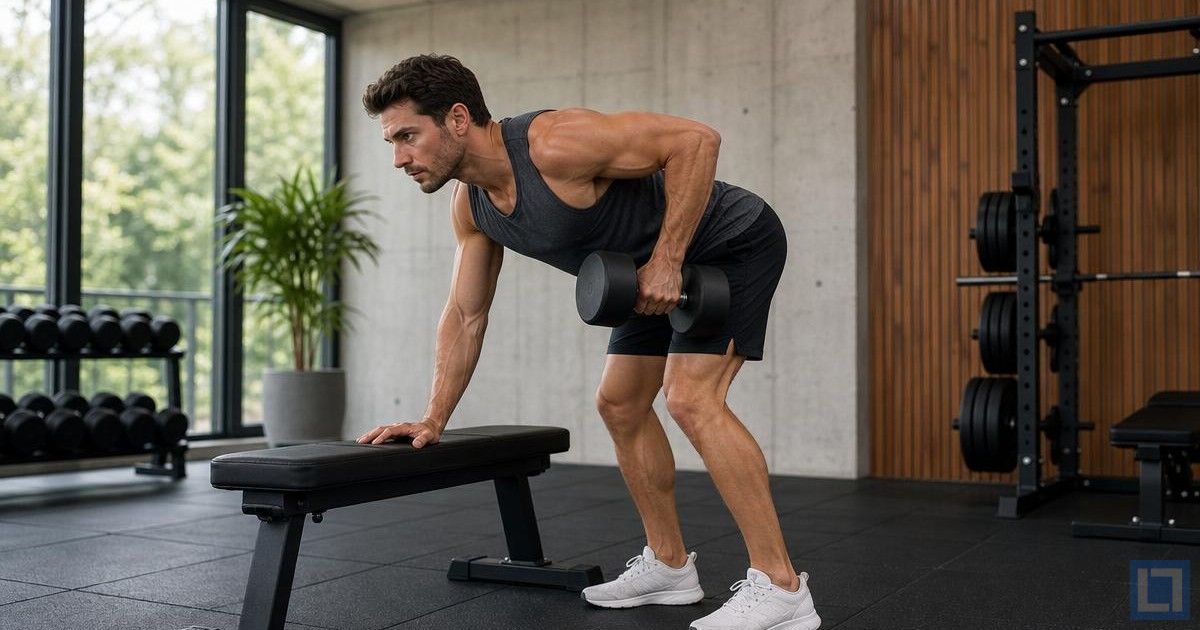
Dumbbell Rear Delt Row

The Dumbbell Rear Delt Row performs high-elbow rows targeting rear delts and rhomboids. The pattern targets upper back through wide-grip rowing.
For rhomboid development, rear delt rows combine rhomboid work with rear delt loading. Run it for 3 sets of 10 to 15 reps as upper back work.
Hinge forward at the hips holding dumbbells with palms facing back. Pull the dumbbells up and out to the sides with the elbows high, leading with the elbows. Squeeze the rhomboids and rear delts at peak. Lower under control. The pattern develops the rhomboids and rear delts together through high-elbow rowing – the wide rowing path emphasizes upper back retractors more than traditional rows. Excellent variation that develops the upper back through a complementary loading pattern.
Standing Y Raise

The Standing Y Raise performs overhead Y-pattern raises. The pattern develops the rhomboids and lower traps through scapular upward rotation.
For rhomboid development, Y-raises develop the rhomboids through scapular control. Run it for 3 sets of 12 to 15 reps as scapular control work.
Stand or hinge slightly forward holding light dumbbells or no weight, arms hanging in front. Raise the arms overhead in a Y position – arms angled out at roughly 45 degrees from the body. Squeeze the lower traps and rhomboids to control the scapular upward rotation. Lower under control. The pattern strengthens the rhomboids and lower trapezius through controlled overhead movement – the standing variation allows easier integration into warm-ups and accessory work. Complements prone variations for varied stimulation patterns.
How To Program These Workouts
Rhomboid development works best with 2 to 3 dedicated exposures per week, typically integrated into pull or back sessions. Total weekly rhomboid volume of 10 to 18 working sets drives substantial growth for most lifters when combined with the heavy compound row work that provides foundational loading.
Structure rhomboid work strategically. Sample integration: heavy compound rows first (barbell bent-over rows, pull-ups), then targeted upper back work (cable rows, rear delt rows, one-arm rows), finishing with isolation (band pull-aparts, Y-raises, scap pull-ups). Use 3 to 4 sets of 6 to 10 reps for heavy compound work, 3 sets of 10 to 15 reps for accessory work, 3 sets of 12 to 15 reps for isolation work.
Progressive overload drives rhomboid growth – add weight or reps when current loading becomes manageable. The rhomboids respond well to varied rep ranges combined with consistent progressive loading. Tracking row loads in a log ensures consistent progress. Visible rhomboid development typically takes 12 to 24 weeks of consistent dedicated work alongside the indirect stimulation from heavy pulling lifts.
Final Thoughts
These ten exercises cover the complete rhomboid development toolkit. The heavy compound rows build the foundation through scapular retraction loading. The direct retraction work isolates the rhomboids. The specialized variations target the rhomboids through different angles. The scapular control work builds the function that supports complete shoulder health. Together they produce comprehensive rhomboid development.
Building substantial rhomboid development requires consistent direct and compound work over months and years. The rhomboids respond exceptionally well to heavy pulling work but also benefit substantially from dedicated isolation work that compound exercises alone cannot match. Lifters who treat rhomboid training as part of complete upper back development typically develop the upper back thickness and posture quality that distinguishes well-built physiques from those with weak posterior chains.
Frequently Asked Questions
What are the rhomboids?
The rhomboids are deep upper back muscles connecting the inner edge of the scapula to the thoracic spine. The rhomboid major and rhomboid minor work together to retract the scapulae, downwardly rotate them, and stabilize the scapulae during arm movement. They sit beneath the trapezius and contribute to upper back thickness when developed.
Are rhomboids and traps the same?
No – the rhomboids and trapezius are different muscles, though they work together in upper back function. The trapezius is the large diamond-shaped muscle from the neck to the mid-back. The rhomboids sit beneath the middle trapezius and connect the scapulae to the spine. Both muscles contribute to scapular retraction and upper back development but through different actions.
How often should rhomboids be trained?
2 to 3 exposures per week works well for most lifters, typically integrated into back or pull sessions. Total weekly volume of 10 to 18 working sets across compound and isolation work drives substantial growth. The rhomboids recover quickly between sessions and tolerate frequent moderate-volume work well.
Will heavy rows develop the rhomboids?
Yes substantially – heavy compound rows (barbell bent-over rows, cable rows, pull-ups) develop the rhomboids through heavy scapular retraction loading. The rhomboids are primary scapular retractors and work intensely during heavy rowing. Combined with focused scapular squeeze technique, heavy rows provide foundational rhomboid stimulation.
How do rhomboids affect posture?
Strong rhomboids actively pull the shoulders back into proper position, supporting healthy upright posture. Weak rhomboids allow forward shoulder posture and rounded upper back position. Strengthening the rhomboids through dedicated exercises substantially improves postural balance and supports sustained upright posture during work and daily activities.