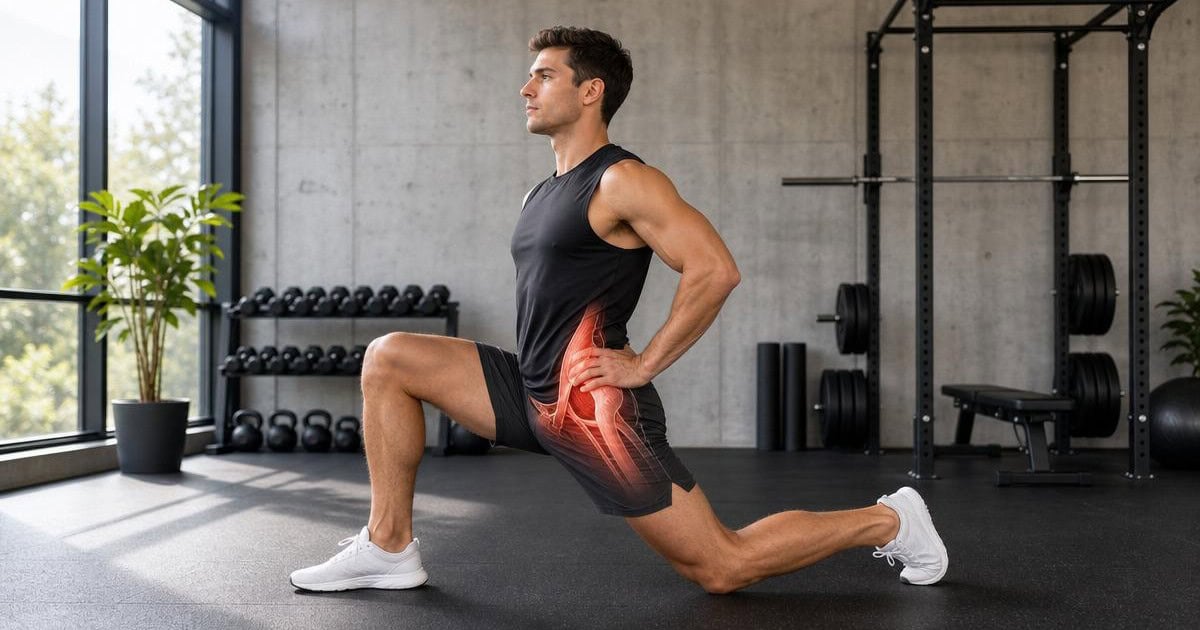
The iliopsoas – the deep hip flexor muscles consisting of the psoas major and iliacus, joining together to form a powerful hip flexor that connects the lumbar spine to the femur – is one of the most important and often overlooked muscles, contributing substantially to hip flexion strength (lifting the leg toward the chest), spinal stability through its connection to the lumbar spine, posture support, athletic performance (especially in sports requiring high-speed running, jumping, and explosive hip flexion), walking and running mechanics, and the integrated lower-body function that depends on hip flexor strength and mobility. The iliopsoas activates strongest during: hip flexion patterns under load (hanging leg raises, reverse crunches) for direct iliopsoas isolation – the most important iliopsoas training pattern, anti-extension core work (planks, dead bugs) for iliopsoas integration with core stability, compound spinal flexion (sit-ups) for compound iliopsoas activation, dynamic alternating work (bicycle crunches) for dynamic iliopsoas function, functional unilateral leg work (walking lunges) for functional iliopsoas training matching its real-world function, and mobility work (kneeling hip flexor stretch, child pose, knee-to-chest) for the mobility iliopsoas function depends on. Most individuals who want stronger iliopsoas benefit from training it 2 to 3 times per week with appropriate volume distributed across direct hip flexion, core integration, and mobility patterns. The iliopsoas is commonly weak in modern populations from prolonged sitting (which paradoxically both shortens AND weakens the iliopsoas), and dedicated training addresses this common weakness.
Below are ten of the most effective exercises for iliopsoas development, covering primary direct hip flexion (hanging leg raise, reverse crunch), core integration (front plank, dead bug), compound spinal flexion (sit-up), dynamic alternating work (bicycle crunch), functional unilateral leg work (dumbbell walking lunge), mobility work (kneeling hip flexor stretch, child pose, knee-to-chest stretch). Together they form a complete iliopsoas program. A 20 to 30-minute session pulled from this list, performed 2 to 3 times per week, produces strong iliopsoas development for any individual focused on stronger hip flexors, better hip flexor function, athletic performance through iliopsoas strengthening, or addressing the iliopsoas weakness common from prolonged sitting.
Hanging Leg Raise

The Hanging Leg Raise performs hanging leg raises. The pattern is foundational for iliopsoas development.
For iliopsoas development, the hanging leg raise is foundational. Run it for 4 sets of 8 to 15 reps as primary iliopsoas work, 2 to 3 times per week.
Hang from a pull-up bar with hands shoulder-width apart. Raise the legs by flexing the hips and pulling the legs up toward the chest. The iliopsoas (the deep hip flexor muscles – psoas major and iliacus) work hard through hip flexion. Lower under control. The pattern is foundational for iliopsoas development – the hanging leg raise specifically trains hip flexion under load, the primary function of the iliopsoas. Most individuals with the strongest hip flexors have built them on consistent hanging leg raise practice. The most direct iliopsoas exercise.
Reverse Crunch

The Reverse Crunch performs reverse crunches. The pattern produces accessible iliopsoas loading.
For iliopsoas development, the reverse crunch produces accessible iliopsoas work. Run it for 3 sets of 12 to 15 reps as iliopsoas variation.
Lie on the back with hands at the sides or under the lower back for support. Lift the legs with knees bent at 90 degrees. Curl the hips up by posteriorly tilting the pelvis, bringing the knees toward the chest while lifting the hips off the floor. The iliopsoas and lower abs work hard through hip flexion and pelvic posterior tilt. Lower under control. The pattern produces accessible iliopsoas loading – excellent variation when hanging leg raises aren’t available, and the reverse crunch trains hip flexion through a different range of motion than hanging variations.
Front Plank
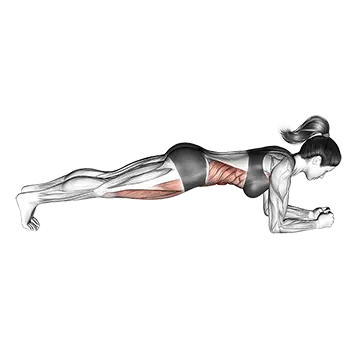
The Front Plank performs forearm plank holds. The pattern produces foundational core for iliopsoas function.
For iliopsoas development, the plank produces foundational core stability supporting iliopsoas function. Run it for 3 sets of 30 to 60-second holds as core work.
Lie face-down on the floor. Prop up on the forearms with elbows under the shoulders. Lift the hips so the body forms a straight line from shoulders to ankles. The core works hard isometrically – the iliopsoas activates substantially to maintain the proper plank position. Hold for the working interval. The pattern produces foundational core stability that supports iliopsoas function – the iliopsoas works alongside the abs and other core muscles to maintain proper spinal and pelvic position during loaded activities. Strong core stability supports balanced iliopsoas function.
Dead Bug

The Dead Bug performs the dead bug core exercise. The pattern produces iliopsoas activation with anti-extension stability.
For iliopsoas development, the dead bug produces iliopsoas activation with core stability. Run it for 3 sets of 8 to 10 reps per side as core stability work.
Lie on the back with arms extended toward the ceiling and hips/knees bent at 90 degrees. Slowly extend one arm overhead while extending the opposite leg straight, keeping the lower back pressed into the floor. The iliopsoas works hard maintaining hip flexion on the working leg while the other side lengthens. Return to start. Switch sides. The pattern produces excellent iliopsoas activation with anti-extension core stability – the dead bug trains the iliopsoas in coordination with proper core stability, addressing the motor control issues that commonly limit hip flexor function.
Kneeling Hip Flexor Stretch
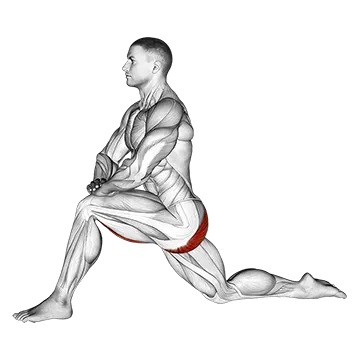
The Kneeling Hip Flexor Stretch performs hip flexor stretching. The pattern addresses iliopsoas mobility.
For iliopsoas development, the kneeling hip flexor stretch addresses iliopsoas mobility supporting strength. Run it for 3 sets of 30 to 60-second holds per side, daily.
Kneel on one knee with the other foot planted in front (about hip-width apart). Tuck the pelvis posteriorly and lean forward into the front leg, feeling deep stretch through the front hip on the kneeling leg side. Hold for 30 to 60 seconds. Switch sides. The pattern produces direct iliopsoas stretching – critical for iliopsoas development because chronic iliopsoas tightness (common from prolonged sitting) limits the range through which the iliopsoas can produce force. Strong iliopsoas requires both strength and mobility for optimal function. Daily mobility work supports iliopsoas function.
Sit Up

The Sit Up performs full sit-ups. The pattern produces compound iliopsoas activation.
For iliopsoas development, the sit-up produces compound iliopsoas activation. Run it for 3 sets of 12 to 20 reps as compound iliopsoas work.
Lie on the back with knees bent and feet planted. Place hands behind the head or crossed on the chest. Sit up by flexing the spine, bringing the torso fully upright until the chest reaches near the knees. Lower under control. The pattern produces full-range hip flexion loading – the sit-up trains the iliopsoas substantially through the hip flexion phase. While the abs contribute, the iliopsoas works hard during the hip flexion portion of the sit-up. Foundational compound iliopsoas exercise.
Bicycle Crunch

The Bicycle Crunch performs bicycle crunches. The pattern produces dynamic iliopsoas with core integration.
For iliopsoas development, the bicycle crunch produces dynamic iliopsoas work. Run it for 3 sets of 16 to 20 total reps as dynamic core work.
Lie on the back with hands behind the head and legs lifted with knees bent at 90 degrees. Crunch the upper body up while bringing one elbow toward the opposite knee, extending the other leg. Continue alternating sides in a bicycle motion. The iliopsoas works hard alternating hip flexion sides while the abs maintain trunk position. The pattern produces dynamic alternating iliopsoas loading with core integration – excellent for functional iliopsoas development. The dynamic alternating pattern matches the demands of running, walking, and many athletic movements.
Dumbbell Walking Lunge

The Dumbbell Walking Lunge performs walking lunges. The pattern produces functional iliopsoas work.
For iliopsoas development, walking lunges produce functional iliopsoas loading through dynamic hip flexion. Run it for 3 sets of 14 to 18 total steps as functional work.
Stand with feet hip-width holding dumbbells in each hand at the sides. Step forward with one leg into a lunge position, lowering the back knee toward the floor. Drive through the front heel to stand up while bringing the rear leg forward into the next lunge step. Continue alternating. The pattern produces functional iliopsoas loading – the iliopsoas works hard pulling the rear leg forward into the next lunge step. Excellent for translating iliopsoas strength to functional movement.
Child Pose

The Child Pose performs the child pose stretch. The pattern produces gentle iliopsoas relaxation.
For iliopsoas development, the child pose produces gentle relaxation supporting recovery. Run it for 2 to 3 sets of 60-second holds, daily.
Kneel on the floor with knees wide and big toes touching. Sit back on the heels and reach the arms forward extending the spine. Allow the chest to lower toward the floor between the thighs. Hold for 60 seconds. The pattern produces gentle iliopsoas relaxation in the lengthened position – supports recovery from iliopsoas training and addresses chronic iliopsoas tightness. Combined with active stretching (kneeling hip flexor stretch), child pose supports complete iliopsoas mobility.
Knee to Chest Stretch

The Knee To Chest Stretch performs knee-to-chest stretching. The pattern produces iliopsoas-related lower back stretch.
For iliopsoas development, the knee-to-chest stretch addresses related lower back tightness common with iliopsoas tightness. Run it for 3 sets of 30 to 60-second holds per side, daily.
Lie on the back with both legs extended. Bring one knee up toward the chest, hugging the knee with both hands. Pull the knee gently toward the chest. Feel stretch through the glute and lower back. Hold for 30 to 60 seconds. Switch sides. The pattern produces gentle lower back and glute stretch – tight iliopsoas often correlates with lower back tightness, and addressing the related lower back supports balanced hip and back function. Daily stretching supports iliopsoas health and overall lower-body mobility.
How To Program These Workouts
A productive iliopsoas session pulls 5 to 7 exercises from the list above. A common balanced session: hanging leg raise (heavy direct primary), reverse crunch (variation), front plank (core integration), dead bug (anti-extension stability), sit-up (compound), bicycle crunch (dynamic), kneeling hip flexor stretch (mobility – daily). For maximum iliopsoas strength: prioritize heavy hanging leg raises plus reverse crunches plus core integration work. For functional iliopsoas (athletes): prioritize dynamic patterns (bicycle crunches, walking lunges) plus direct strength. For iliopsoas weakness correction (prolonged sitting populations): include daily mobility plus regular strengthening. Run heavy hip flexion work for 3 to 4 sets of 8 to 15 reps, core integration for 3 sets of 30 to 60-second holds or 8 to 10 reps per side, mobility work for 3 sets of 30 to 60-second holds.
Train iliopsoas 2 to 3 times per week as part of complete core programming. The iliopsoas responds well to dedicated training because most general programs underemphasize hip flexion patterns. Most successful iliopsoas programs include: 1) dedicated iliopsoas day or core day (heavy direct work plus accessories), 2) iliopsoas integration in regular core training, 3) daily mobility work for the iliopsoas common to be tight from sitting. Combined with progressive overload and adequate volume (12 to 18+ weekly working sets focused on iliopsoas), dedicated iliopsoas training produces measurable improvements within 8 to 12 weeks. The iliopsoas is commonly weak from modern lifestyle factors and benefits substantially from dedicated training.
For broader programming, see our best core exercises and how to grow your abs. For specific work, see our how to fix tight hip flexors.
Final Thoughts
The best iliopsoas exercises deliver real iliopsoas development and hip flexor strength through training that targets multiple iliopsoas functions: direct hip flexion under load for primary strength development, core integration for functional iliopsoas, compound spinal flexion for compound activation, dynamic alternating work for athletic function, functional unilateral leg work, and mobility work. The combination of hanging leg raises, reverse crunches, planks, dead bugs, kneeling hip flexor stretches, sit-ups, bicycle crunches, walking lunges, child pose, and knee-to-chest stretches covers every functional pattern of iliopsoas development and produces broader hip flexor function, athletic capacity, and core stability than partial training would suggest. Many individuals discover stronger hip flexors, better hip flexor function in daily activities, more athletic performance through iliopsoas strengthening, addressed iliopsoas weakness from prolonged sitting, and the integrated lower-body function that supports overall movement quality within 8 to 12 weeks of adding consistent iliopsoas work. For individuals seeking complete iliopsoas development, dedicated multi-pattern iliopsoas training is one of the most effective interventions for the commonly weak iliopsoas.
Stay focused on combining strength with mobility as priorities for iliopsoas development. The most common mistake people make in iliopsoas training is doing only mobility work without strengthening (the iliopsoas is commonly tight AND weak), or only strengthening without addressing the chronic tightness. The fix: prioritize both direct iliopsoas strengthening (hanging leg raises, reverse crunches) AND daily mobility work (hip flexor stretches, child pose). Combined strength plus mobility produces faster results because the iliopsoas commonly suffers from both weakness and tightness simultaneously, and addressing both components produces complete iliopsoas function. Single-component training produces incomplete results. Strong AND mobile iliopsoas is the goal.
Frequently Asked Questions
How do I strengthen my iliopsoas?
Hanging leg raises plus reverse crunches plus core integration work. Heavy hanging leg raises produce the most direct iliopsoas loading possible – the foundational iliopsoas exercise. Reverse crunches provide accessible variation. Combined with planks (core integration), dead bugs (anti-extension), sit-ups (compound), bicycle crunches (dynamic), walking lunges (functional), and daily mobility work (hip flexor stretches), this comprehensive approach produces measurable iliopsoas development within 8 to 12 weeks.
What’s the best iliopsoas exercise?
Hanging leg raises plus reverse crunches. Hanging leg raises produce the most direct iliopsoas loading possible – they specifically target hip flexion under significant load (bodyweight resistance against the hip flexors). Reverse crunches provide accessible iliopsoas loading when hanging variations aren’t available. Combined with planks (core integration), dead bugs (anti-extension stability), sit-ups (compound), bicycle crunches (dynamic), walking lunges (functional), and mobility work, hanging leg raises plus reverse crunches form the foundation of iliopsoas development.
Why is my iliopsoas weak?
Common contributing factors include: prolonged sitting (which paradoxically shortens AND weakens the iliopsoas), lack of dedicated iliopsoas training (most general programs underemphasize hip flexion patterns), inactive lifestyle, weak core in general producing iliopsoas weakness, lack of athletic training. The fix: dedicated iliopsoas strengthening (hanging leg raises, reverse crunches) plus addressing prolonged sitting where possible plus regular mobility work. Most modern populations have weak iliopsoas that respond well to dedicated training.
How often should I train iliopsoas?
2 to 3 times per week as part of complete core programming. The iliopsoas responds well to dedicated training because most programs underemphasize hip flexion. Most successful programs include: 1) dedicated iliopsoas day or core day (heavy direct work plus accessories), 2) iliopsoas integration in regular core training, 3) daily mobility work. Total weekly iliopsoas volume should be 12 to 18+ working sets across direct strengthening, core integration, and dynamic patterns.
How long does it take to develop iliopsoas?
8 to 12 weeks for measurable improvement, ongoing for substantial development. Most people who consistently apply heavy iliopsoas strengthening plus core integration plus mobility work see measurable improvement within 8 to 12 weeks. Beginners often see initial gains within 4 to 8 weeks (rapid early activation gains as the commonly weak iliopsoas responds quickly). Substantial iliopsoas development requires 6 to 12+ months of consistent training. The iliopsoas is highly responsive to dedicated training when properly programmed.