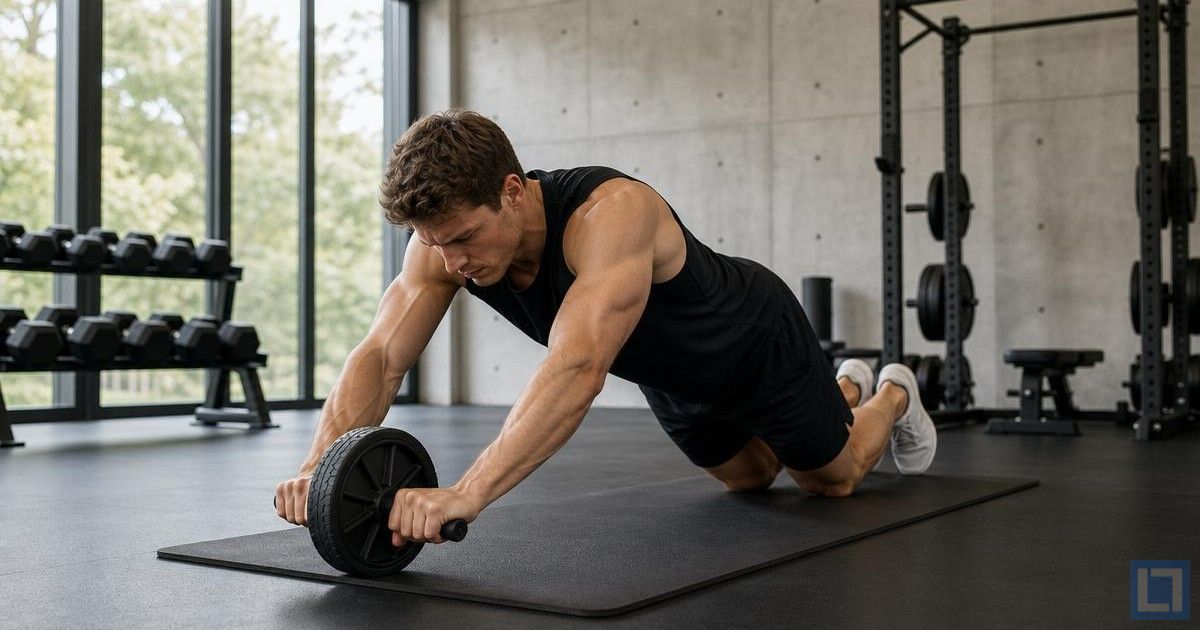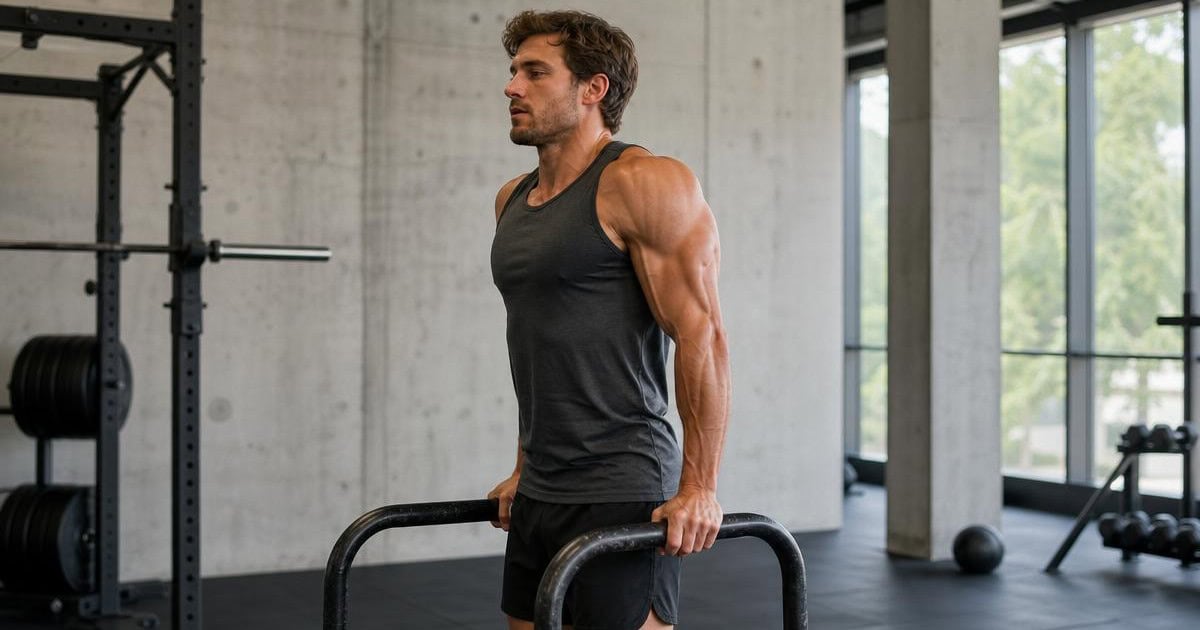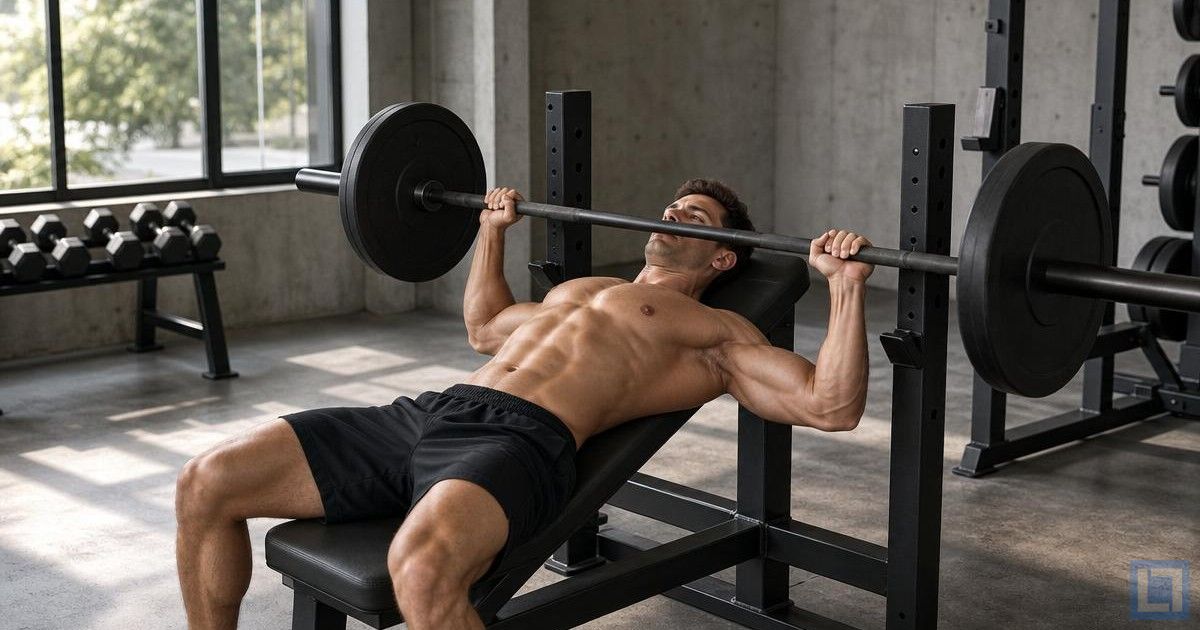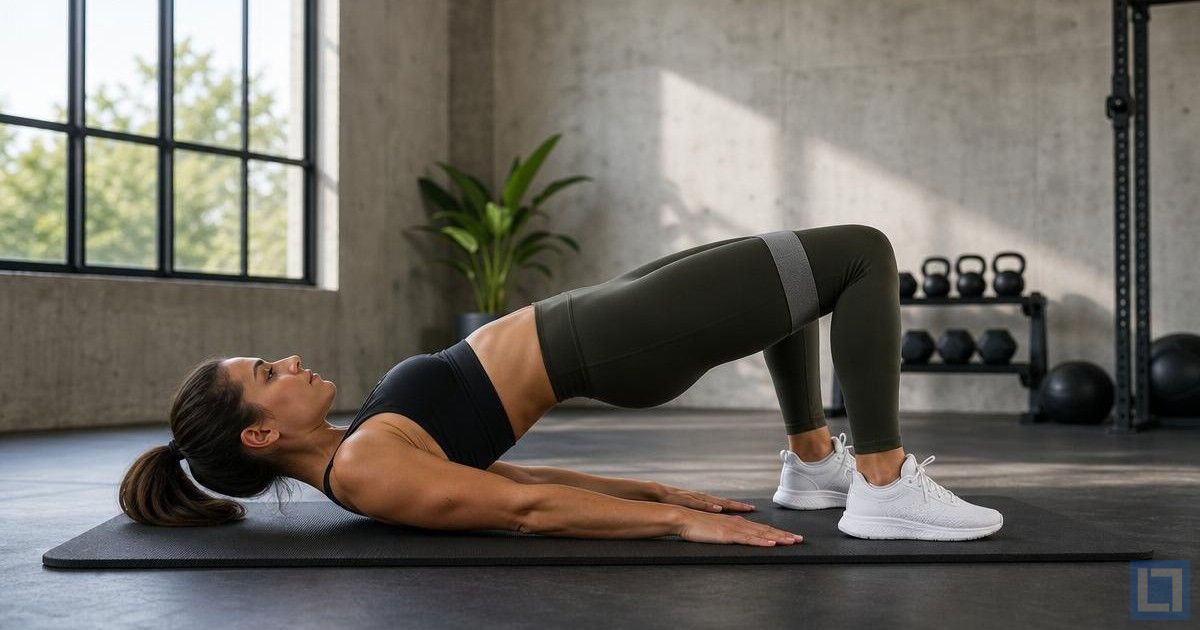
Dumbbell hip flexor training produces real hip flexor development through patterns that load the hip flexors with the unique advantages dumbbells offer: scalable loading capacity for progressive overload through dumbbell weight increases, the ability to load through compound sit-up variations (which hit hip flexors as primary movers), unilateral patterns that address left-right imbalances, dynamic standing patterns like step-ups with knee raises for athletic hip flexor power, and combined hip flexor/ab work through tuck crunch variations. The format works particularly well for hip flexors because the muscle group’s primary functions (hip flexion, lumbar stability, sprint mechanics) all respond well to dumbbell loading patterns when leveraged through appropriate exercises, and dumbbells deliver dedicated patterns for compound work (decline sit-ups), isolation work (weighted leg raises and lifts), unilateral work (single leg lifts, step-ups), and dynamic athletic work (step-ups with knee raise). Most lifters who consistently train dumbbell hip flexor work 1 to 2 times per week alongside compound core movements see measurable hip flexor strength improvements, better sprint mechanics, improved athletic performance, reduced low-back compensation during ab work, and stronger overall core function within 8 to 12 weeks.
Below are ten effective dumbbell hip flexor exercises that cover decline sit-up variations (dumbbell decline sit up, dumbbell decline overhead sit up), crunch motion (dumbbell crunch up), unilateral standing work (dumbbell step up with knee raise), seated isolation (weighted seated leg raise on floor, weighted seated tuck crunch on floor, dumbbell seated tuck crunch on floor), unilateral lying work (weighted single leg lift), mobility work (weighted stretch lunge), and dynamic combined work (weighted leg extension crunch). Together they form a complete dumbbell hip flexor program. A 25 to 35-minute session pulled from this list, performed 1 to 2 times per week, produces strong hip flexor development.
Dumbbell Decline Sit Up

The Dumbbell Decline Sit Up performs decline sit-ups holding a dumbbell at the chest. The decline angle plus dumbbell loading produces strong combined hip flexor and ab work.
For dumbbell hip flexor training, the decline sit-up is the foundational hip flexor and ab exercise. The decline angle emphasizes hip flexors substantially. Run it for 4 sets of 10 to 15 reps as primary combined hip flexor work in any dumbbell hip flexor session.
Set up on a decline bench with feet secured under the foot pads and the body angled head-down. Hold a dumbbell at the chest with both hands. Perform a sit-up by curling the torso up toward the knees against the decline angle resistance. The hip flexors work hard to lift the torso against the decline plus dumbbell loading. Squeeze hard at the top. Lower under control. The pattern produces strong combined hip flexor and ab work.
Dumbbell Decline Overhead Sit Up

The Dumbbell Decline Overhead Sit Up performs decline sit-ups with a dumbbell held overhead. The overhead position dramatically increases the lever arm and hip flexor demand.
For dumbbell hip flexor training, the decline overhead sit-up produces extreme hip flexor and ab work. The overhead dumbbell maximizes difficulty. Run it for 3 sets of 8 to 12 reps as advanced hip flexor work.
Set up on a decline bench with feet secured. Hold a dumbbell with both hands above the head with arms fully extended. Perform a sit-up by curling the torso up while keeping the dumbbell overhead throughout. The overhead dumbbell dramatically increases the lever arm and difficulty. The hip flexors and abs work extraordinarily hard. Lower under control. The pattern produces extreme hip flexor and ab strength loading.
Dumbbell Crunch Up

The Dumbbell Crunch Up performs crunch motion lying flat on the floor with a dumbbell at the chest. The pattern produces direct hip flexor and ab work through curl-style motion.
For dumbbell hip flexor training, the crunch up produces foundational hip flexor and ab work. The flat-floor position is accessible. Run it for 3 sets of 12 to 15 reps as foundational hip flexor work.
Lie flat on the floor with knees bent and feet planted. Hold a dumbbell at the chest with both hands. Perform a crunch by lifting the upper torso off the floor while keeping the lower back pressed down. The hip flexors and abs work to lift the torso against the dumbbell loading. Squeeze hard at the top of the crunch. Lower under control. The pattern is more accessible than sit-ups while still producing strong combined hip flexor and ab work.
Dumbbell Step Up with Knee Raise

The Dumbbell Step Up with Knee Raise combines a step-up with an explosive knee raise at the top. The pattern produces combined unilateral hip flexor, quad, and glute loading.
For dumbbell hip flexor training, the step up with knee raise produces dynamic combined hip flexor and lower-body work. The pattern hits the hip flexor through explosive flexion. Run it for 3 sets of 10 to 12 reps per leg as combined unilateral work.
Stand facing a sturdy bench or platform holding dumbbells at the sides. Place one foot fully on the platform. Drive through the heel of the platform foot to step up while explosively raising the other knee up forward into a high knee position. The hip flexor of the raised leg works hard through the dynamic flexion. Step back down to the floor under control. Continue on the same leg or alternate. The pattern produces dynamic combined hip flexor and lower-body work.
Weighted Seated Leg Raise on Floor

The Weighted Seated Leg Raise on Floor performs seated leg raises holding a dumbbell on the lap or with a dumbbell weight on the feet. The pattern produces strong direct hip flexor isolation.
For dumbbell hip flexor training, the weighted seated leg raise produces direct hip flexor isolation. The seated position eliminates ab compensation. Run it for 3 sets of 12 to 15 reps as direct hip flexor isolation work.
Sit on the floor with the legs extended forward and the back slightly leaned back (supported on the hands behind for stability). Hold a dumbbell on the lap (or place light dumbbells on the ankles). Lift the legs straight up off the floor by flexing the hips against the dumbbell resistance. Squeeze the hip flexors hard at peak hip flexion. Lower under control without resting on the floor between reps. The pattern produces direct hip flexor isolation.
Weighted Single Leg Lift

The Weighted Single Leg Lift performs unilateral leg lifts with a dumbbell on the working leg. The pattern produces strong unilateral hip flexor isolation per leg.
For dumbbell hip flexor training, the weighted single leg lift produces unilateral hip flexor work. The pattern hits each hip flexor individually. Run it for 3 sets of 10 to 12 reps per leg as unilateral hip flexor isolation work.
Lie flat on the floor on the back. Place a light dumbbell on the ankle of one leg (or hold it with the hands as added resistance over the working ankle). Keep the other leg flat on the floor. Lift the working leg straight up by flexing the hip against the dumbbell loading. The hip flexor works through the lift. Squeeze hard at peak hip flexion. Lower under control. Switch legs between sets. The unilateral pattern allows concentrated work and addresses imbalances.
Weighted Seated Tuck Crunch on Floor

The Weighted Seated Tuck Crunch on Floor performs tuck crunches with knees pulled to chest holding a dumbbell. The pattern produces strong combined hip flexor and ab work.
For dumbbell hip flexor training, the seated tuck crunch produces combined hip flexor and ab work. The seated tuck position produces extreme hip flexor demand. Run it for 3 sets of 12 to 15 reps as combined hip flexor and ab work.
Sit on the floor with knees bent and feet slightly off the floor (in tuck position). Hold a dumbbell at the chest with both hands. Lean back slightly. From this position, pull the knees toward the chest by flexing the hips while simultaneously curling the torso forward. The hip flexors and abs work simultaneously. Squeeze hard at peak contraction with knees and chest close together. Return under control. The pattern produces strong combined work.
Weighted Stretch Lunge

The Weighted Stretch Lunge performs deep lunges holding dumbbells. The deep lunge position stretches the hip flexor of the back leg while strengthening the front quad.
For dumbbell hip flexor training, the stretch lunge produces combined hip flexor stretching and strengthening work. The pattern improves hip flexor mobility. Run it for 3 sets of 8 to 12 reps per leg as mobility and strength work.
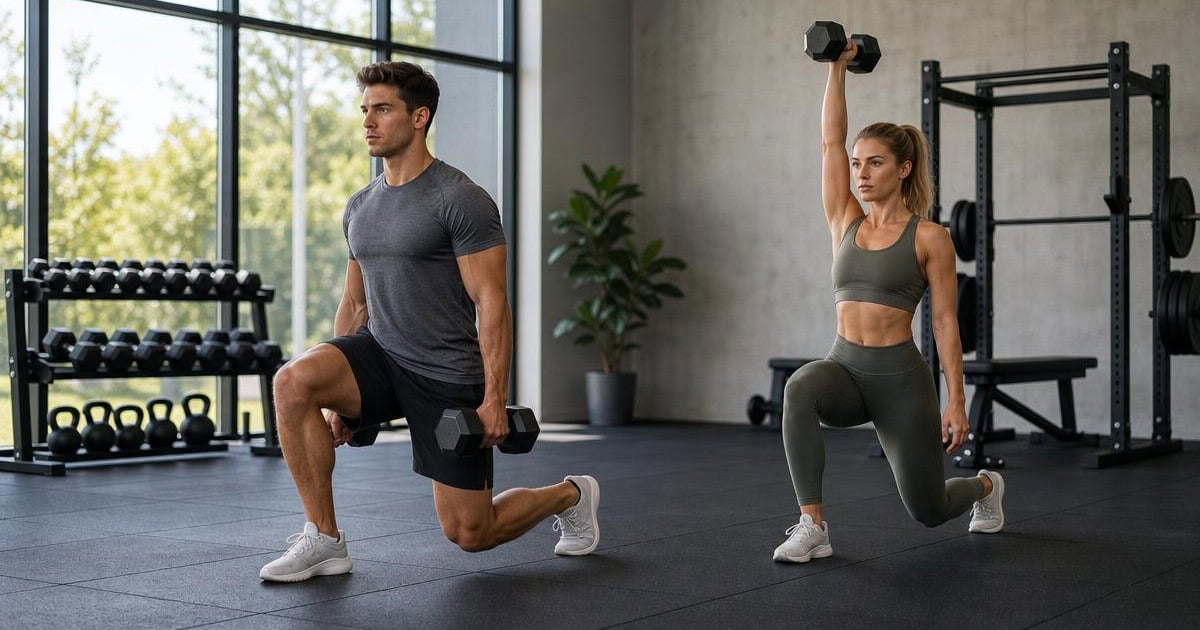
Stand with feet hip-width holding dumbbells at the sides. Step one foot forward into a deep lunge with the back knee approaching the floor. The back leg’s hip flexor stretches through the lunge depth. Hold briefly at the bottom position with the stretch. Drive back to standing through the front heel by extending the front knee. Switch legs between sets. The pattern produces hip flexor mobility work plus front quad strength work simultaneously.
Weighted Leg Extension Crunch

The Weighted Leg Extension Crunch performs alternating leg extensions and crunches with a dumbbell. The pattern produces dynamic combined hip flexor and ab work.
For dumbbell hip flexor training, the leg extension crunch produces dynamic combined hip flexor and ab work. The pattern hits hip flexors through repeated dynamic motion. Run it for 3 sets of 10 to 12 reps as dynamic combined work.
Lie flat on the floor on the back with knees bent and a dumbbell held at the chest. Lift one leg straight up while simultaneously crunching the upper torso forward. The hip flexor of the lifted leg works hard plus the abs engage through the crunch. Lower the leg and torso, then repeat with the other leg. Continue alternating. The pattern produces dynamic combined hip flexor and ab work plus athletic conditioning.
Dumbbell Seated Tuck Crunch on Floor

The Dumbbell Seated Tuck Crunch on Floor performs seated tuck crunches with a dumbbell held at the chest. The pattern produces strong combined hip flexor and ab work through curl motion.
For dumbbell hip flexor training, the dumbbell seated tuck crunch produces strong combined hip flexor and ab loading. The seated position produces extreme demand. Run it for 3 sets of 12 to 15 reps as combined hip flexor and ab work.
Sit on the floor with the legs extended forward and the back leaned back slightly. Hold a dumbbell at the chest with both hands. Lift the feet off the floor and pull the knees toward the chest by flexing the hips and curling the torso forward simultaneously. The hip flexors and abs work together against the dumbbell load. Squeeze hard at peak contraction. Return under control. The pattern produces strong combined work in a stable seated position.
How To Program These Workouts
A productive dumbbell hip flexor session pulls 4 to 6 exercises from the list above based on training goals. A common balanced session: dumbbell decline sit up (compound mass), weighted seated leg raise on floor (isolation), dumbbell step up with knee raise (dynamic), weighted single leg lift (unilateral), dumbbell seated tuck crunch on floor (combined). For athletic performance focus: dumbbell step up with knee raise, weighted single leg lift, weighted leg extension crunch, weighted stretch lunge. Run compound work for 3 to 4 sets of 10 to 15 reps, isolation work for 3 sets of 12 to 15 reps, unilateral work for 3 sets of 10 to 12 reps per leg, and combined work for 3 sets of 12 to 15 reps. Total session covers 12 to 18 working sets focused on hip flexor development.
Train dumbbell hip flexor work 1 to 2 times per week as part of broader core or athletic-performance programming. The hip flexors recover reasonably quickly but accumulate fatigue from compound work and athletic activities like running and sprinting that activate them substantially. Most successful programs include dumbbell hip flexor work either: 1) on a dedicated core day with abdominal and hip flexor focus, 2) at the end of a leg day after compound lower-body work, or 3) as part of athletic-performance training for runners and sprinters. Keep training time under 30 to 35 minutes per session.
For broader hip flexor programming, see our best hip flexor workouts and how to strengthen hip flexors. For specific core work, see our best core workouts.
Final Thoughts
The best dumbbell hip flexor workouts deliver real hip flexor development through patterns that effectively load the hip flexors with the unique advantages dumbbells offer: scalable loading capacity for progressive overload, compound and isolation options, unilateral patterns, dynamic athletic work, and combined hip flexor/ab patterns. The combination of decline sit-up variations, crunch motion, seated isolation, unilateral work, and dynamic athletic patterns covers every functional pattern of the hip flexors and produces broader development than equipment-limited training would suggest. For lifters who want stronger sprint mechanics for athletic performance, want to address hip flexor weakness contributing to low-back issues, want to improve compound core strength, or want to build hip flexor mobility through stretch lunges, dedicated dumbbell hip flexor work is one of the most effective options available.
Stay focused on lower back position and progression. The most common dumbbell hip flexor training mistakes include letting the lower back arch excessively during leg raise variations (which limits hip flexor isolation and risks back strain) and progressing too quickly to advanced overhead loaded sit-ups before building foundational strength. The fix: keep the lower back pressed firmly against the floor during leg raise variations, and progress through standard sit-ups to weighted variations to overhead variations gradually as strength builds. Quality reps with proper form produce stronger hip flexor development with reduced injury risk.
Frequently Asked Questions
Are dumbbells effective for hip flexors?
Yes very effectively. Dumbbells produce real hip flexor development through compound sit-up variations (decline sit-ups), crunch patterns, weighted leg raises and lifts (isolation), unilateral work (single leg lifts, step-ups with knee raise), and dynamic combined patterns. The dumbbell’s scalable loading and unilateral capacity allow progressive hip flexor work alongside compound core training. Most successful hip flexor programs include dumbbell work as primary loading work.
Why train hip flexors specifically?
Strong hip flexors improve sprint mechanics and athletic performance, support lumbar stability and reduce back pain risk, improve compound core strength, and enhance overall lower-body coordination. The hip flexors are often weak in modern populations due to prolonged sitting (which keeps them in shortened position but reduces functional strength). Most successful athletic and core programs include dedicated hip flexor strengthening work, particularly for runners, sprinters, soccer players, and lifters who want stronger compound core function.
Are decline sit-ups good for hip flexors?
Yes very effectively. Decline sit-ups produce strong combined hip flexor and ab work through the decline angle that increases hip flexor demand compared to flat sit-ups. The pattern hits the hip flexors as primary movers through the sit-up motion. Most successful hip flexor programs include decline sit-ups as primary compound work, typically 10 to 15 reps with controlled tempo. Add dumbbell loading at the chest or overhead for progressive overload.
How heavy should dumbbells be for hip flexors?
Light to moderate for isolation, moderate for compound. Weighted leg raises and single leg lifts use light dumbbells (5 to 25 pounds) due to the position requiring control and the smaller hip flexor muscles. Decline sit-ups can use moderate dumbbells (15 to 50 pounds at the chest, 10 to 30 pounds overhead). Step ups with knee raise use moderate dumbbells (20 to 50 pounds per hand). Most successful programs progressively load all exercises until 10 to 15 reps becomes challenging on isolation work and 8 to 12 reps on compound work.
How often should I train hip flexors with dumbbells?
One to two dumbbell hip flexor sessions per week works for most lifters. The hip flexors recover reasonably quickly but accumulate fatigue from compound work and athletic activities (running, sprinting) that activate them substantially. Most successful programs include dumbbell hip flexor work either on a dedicated core day, at the end of a leg day, or as part of athletic-performance training. Athletes prioritizing hip flexor strength may include 2 to 3 weekly sessions with managed volume per session.