The snatch is one of the most technically demanding lifts in strength sports – the combined demands of explosive triple extension, precise pull mechanics, fast reception in the overhead squat position, and overhead stability make it both rewarding and challenging to develop. Building a stronger snatch requires addressing each of these components rather than focusing solely on the snatch itself. Strong snatchers train the snatch alongside the strength foundations and component skills that support performance.
These ten exercises cover the complete snatch development toolkit. Snatch variants (full snatch, power snatch) train the lift and its catch positions directly. Overhead squats train the receiving position. Foundational pulling strength comes from deadlifts and snatch-specific deadlifts. Front squats develop the upright squat strength supporting overhead squat. Romanian deadlifts build the hamstring strength that drives explosive hip extension. Hang cleans train explosive triple extension. Overhead presses develop lockout strength. Shrugs build the trap finish. Together they produce comprehensive snatch development.
Barbell Power Snatch
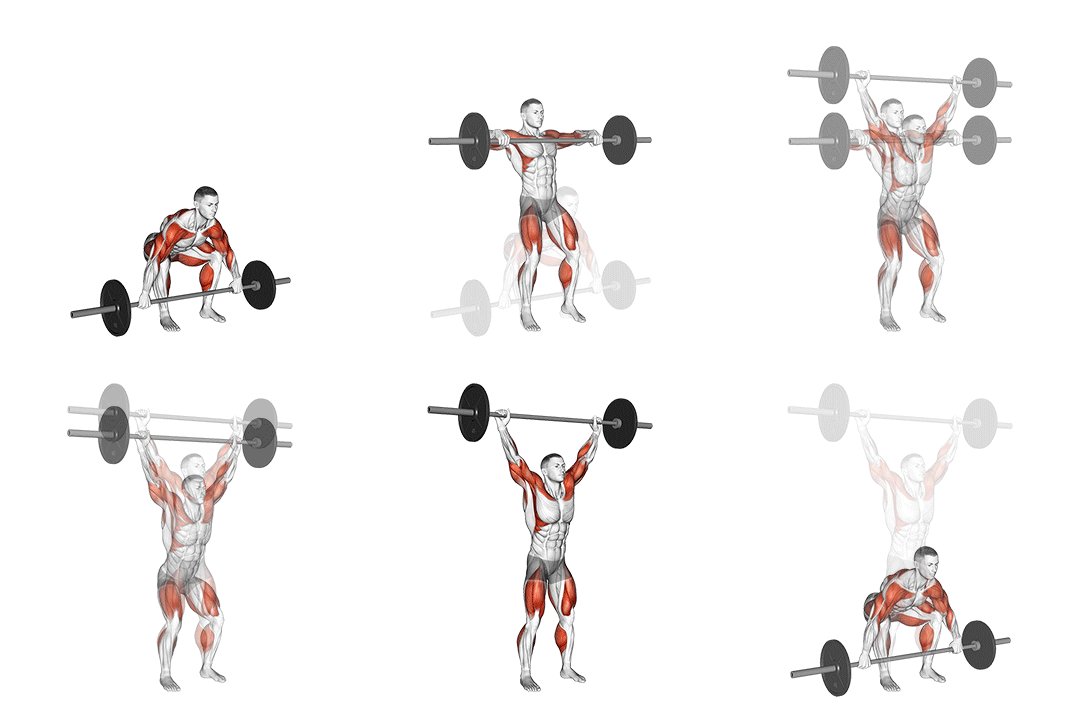
The Barbell Power Snatch performs a snatch with the catch in a partial squat. The pattern develops snatch strength with reduced technical complexity.
For snatch strength, power snatches build explosive pull and overhead receiving strength. Run it for 4 to 5 sets of 3 to 5 reps as primary snatch variant.
Stand with a barbell over mid-foot, feet hip-width, hands wide on the bar. Keep the chest up and back flat. Pull the bar from the floor, accelerating through the hips with explosive triple extension. Pull the bar overhead while dropping into a partial squat to receive it overhead with arms locked. Stand up. Lower under control. The pattern develops snatch-specific strength while reducing the squat depth requirement of a full snatch – excellent for snatch development because the power version trains the explosive pull and overhead lockout while building competence with the lift before the full squat catch.
Barbell Snatch
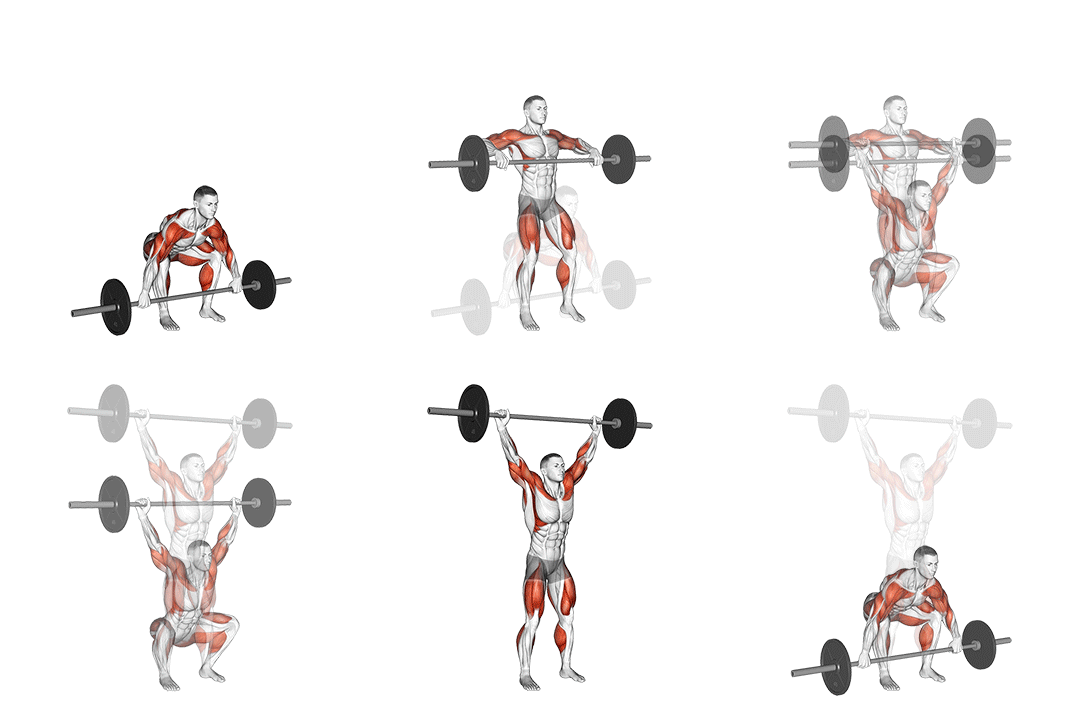
The Barbell Snatch performs the full Olympic snatch with overhead squat catch. The pattern is the foundational lift for snatch development.
For snatch strength, the full snatch is the lift being developed. Run it for 4 to 6 sets of 1 to 3 reps as primary heavy snatch work.
Stand with a barbell over mid-foot, feet hip-width, hands wide on the bar. Keep the chest up and back flat. Pull the bar from the floor, accelerating through the hips with explosive triple extension. Pull the bar overhead while dropping into a full overhead squat to receive it. Stand up out of the squat with the bar locked overhead. Lower under control. The pattern is the lift being developed – the full snatch with full squat catch is the technical and competitive expression of snatch strength. Heavy single and double work in the full snatch builds the technical and physical capacity that snatch development requires.
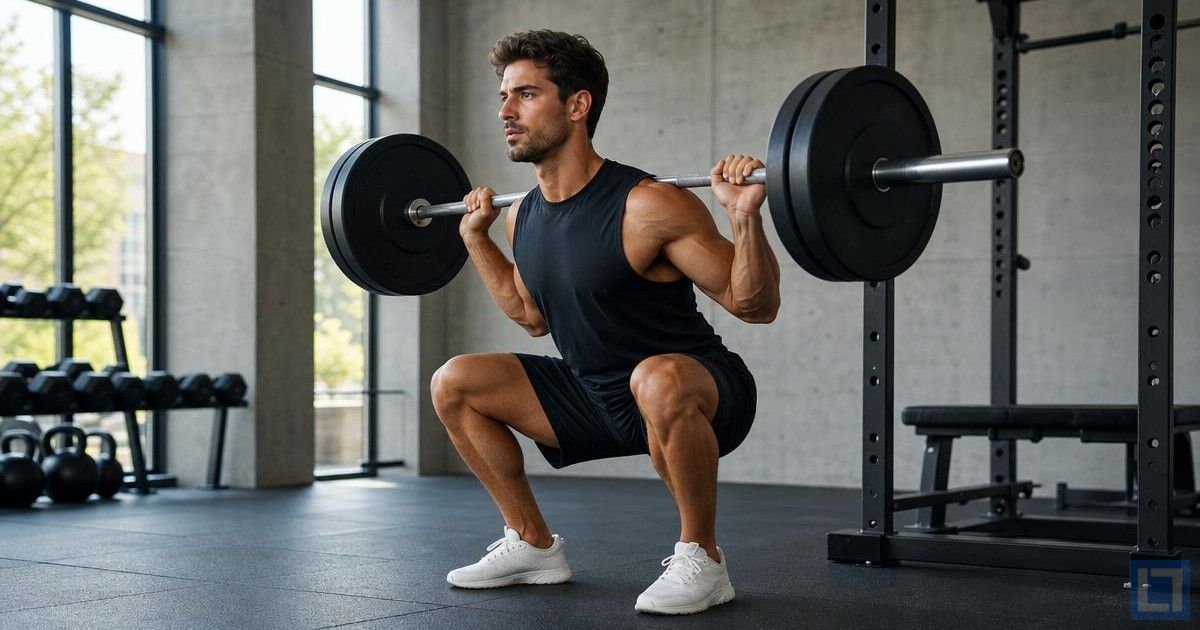
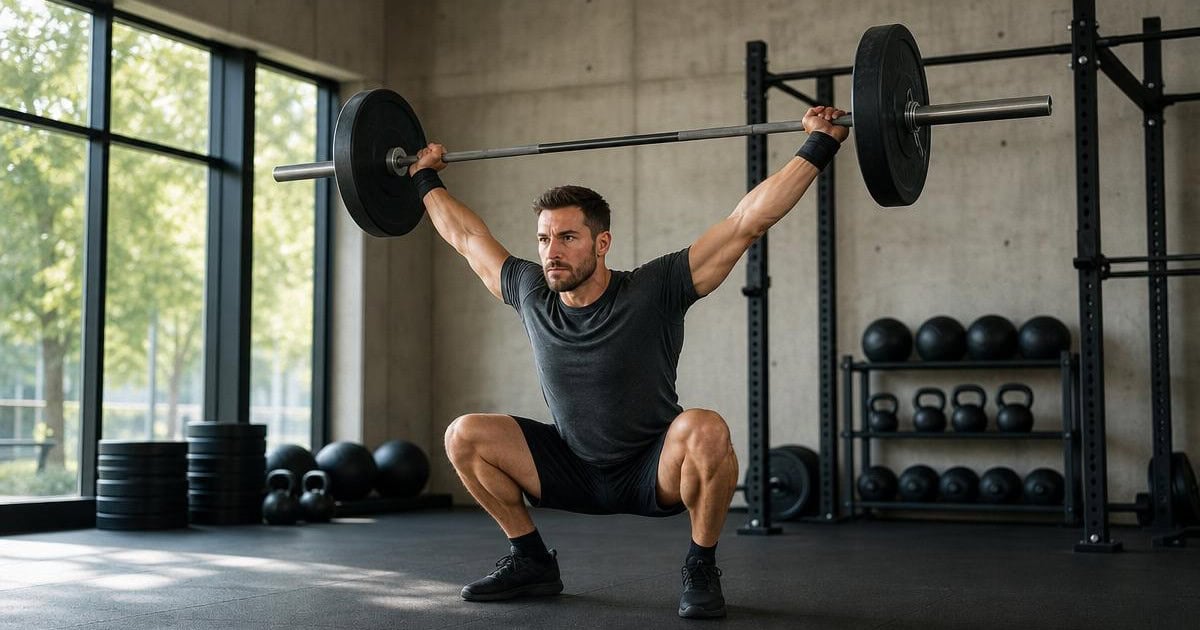
Barbell Overhead Squat

The Barbell Overhead Squat performs squats with the bar locked overhead. The pattern develops the receiving position strength snatch demands.
For snatch strength, overhead squats develop the bottom position strength of the snatch. Run it for 3 to 4 sets of 4 to 6 reps as overhead position work.
Stand with a barbell held overhead in the snatch grip width, arms locked. Squat down by bending the knees and hips while maintaining the bar locked overhead and the chest up. Lower until the thighs are parallel to the floor or below. Drive back up through the heels while keeping the bar overhead. The pattern develops the strength to support and stabilize the bar overhead in the deep squat position – critical for snatch development because the receiving position of the snatch IS an overhead squat. Strong overhead squats directly translate to confidence and capacity in heavy snatch receiving.
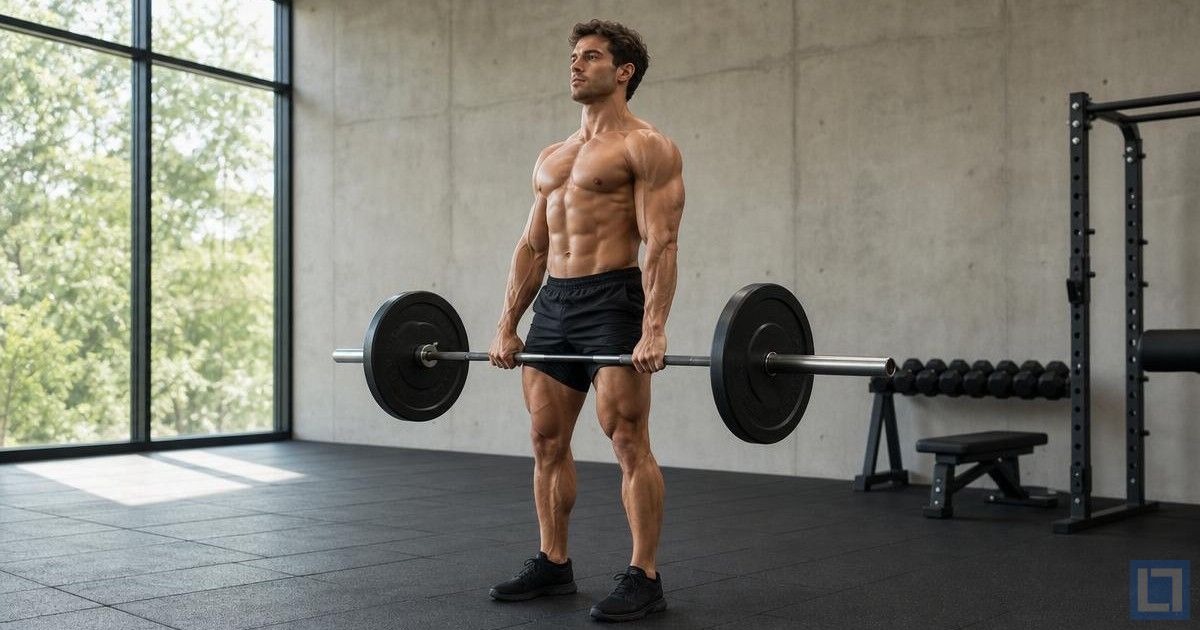
Barbell Deadlift

The Barbell Deadlift performs conventional deadlifts. The pattern builds the foundational pulling strength snatch demands.
For snatch strength, deadlifts build foundational pulling strength. Run it for 3 to 4 sets of 4 to 6 reps as foundational strength work.
Stand with a barbell over mid-foot, feet hip-width. Hinge at the hips and bend the knees to grip the bar with hands shoulder-width. Drive the floor away by extending hips and knees together to lift the bar. Stand fully tall, then lower under control. The pattern develops the maximum pulling strength foundation – critical for snatch development because the snatch requires substantial pulling strength to accelerate the bar from the floor. Strong deadlifts ensure that the snatch is not pulling-strength-limited, allowing technique and explosiveness to drive performance rather than raw strength being the limiter.
Barbell Front Squat

The Barbell Front Squat performs front squats with the bar racked on the front of the shoulders. The pattern develops upright squat strength.
For snatch strength, front squats develop upright squat strength supporting overhead squat. Run it for 3 to 4 sets of 5 to 8 reps as squat strength work.
Set up a barbell at upper chest height. Position the bar across the front of the shoulders with elbows high and parallel to the floor (front rack position). Step back with feet shoulder-width. Squat down by bending the knees and hips while maintaining the upright torso. Drive back up through the heels. The pattern develops upright torso squat strength – critical for snatch development because the overhead squat position requires similar upright torso control. Front squat strength directly transfers to overhead squat capacity, supporting the receiving position of the snatch.
Barbell Romanian Deadlift

The Barbell Romanian Deadlift performs hip-hinge deadlifts. The pattern develops hamstring and posterior chain strength.
For snatch strength, RDLs build hamstring strength supporting the snatch pull. Run it for 3 sets of 6 to 10 reps as posterior chain work.
Hold a barbell at the front of the thighs with hands shoulder-width. Hinge at the hips by pushing the hips back, lowering the bar along the thighs while keeping the knees slightly bent. Lower until the bar reaches just below the knees with a stretch felt in the hamstrings. Drive the hips forward to return to standing. The pattern develops hamstring and glute strength through hip-hinge loading – critical for snatch development because the second pull of the snatch is essentially a violent hip extension. Strong RDLs build the posterior chain strength that drives explosive hip extension in the snatch.
Smith Hang Clean

The Smith Hang Clean performs hang cleans. The pattern develops explosive triple extension for snatch transferable power.
For snatch strength, hang cleans develop the explosive triple extension that drives the snatch. Run it for 3 sets of 3 to 5 reps as explosive work.
Set up at a Smith machine with the bar at thigh height. Stand inside the bar with hands shoulder-width or slightly wider. Lift the bar to hang at thigh height. Explosively extend the hips, knees, and ankles together (triple extension) while pulling the bar up and shrugging. Catch the bar at shoulder height in a quarter squat. Lower to thigh height and repeat. The pattern develops explosive triple extension under load – the same explosive hip drive that powers the snatch. While the catch position differs from the snatch, the explosive pull development directly transfers to snatch performance.
Barbell Snatch Deadlift
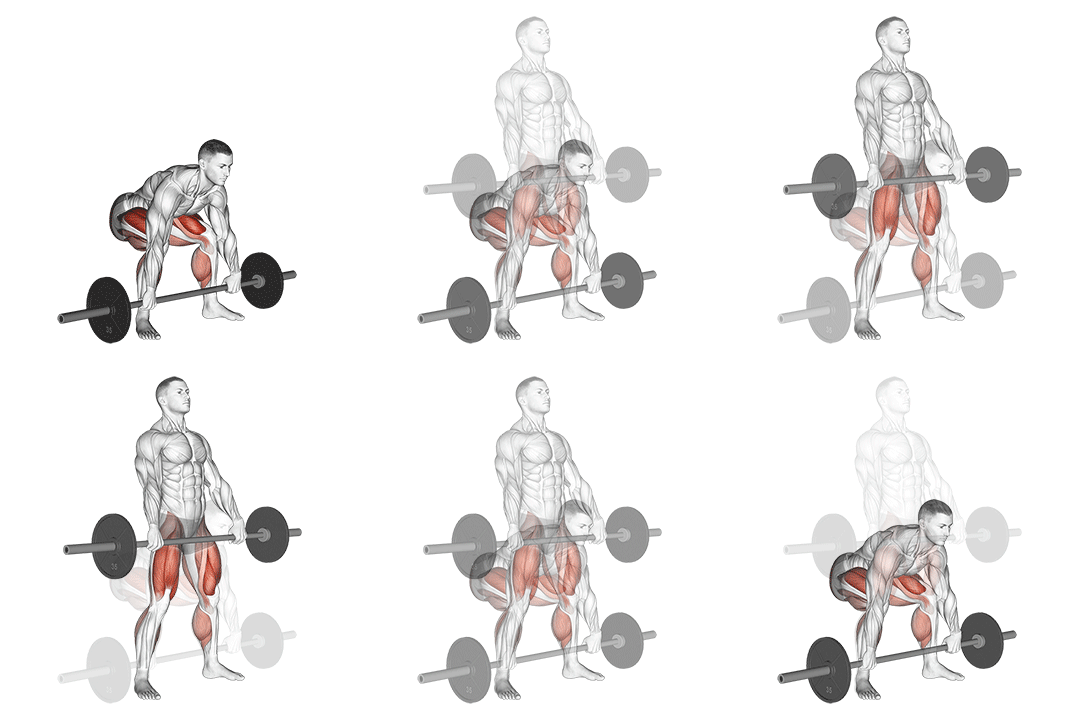
The Barbell Snatch Deadlift performs a deadlift in snatch grip and stance. The pattern strengthens the snatch starting position and pull.
For snatch strength, snatch deadlifts strengthen the snatch-specific pull mechanics. Run it for 3 sets of 4 to 6 reps as snatch-specific pulling work.
Stand with a barbell over mid-foot, feet hip-width, hands at snatch-grip width (wide). Hinge at the hips and bend the knees to grip the bar. Drive the floor away by extending hips and knees together to lift the bar in the snatch starting position. Stand fully tall. Lower under control. The pattern develops the specific pulling strength of the snatch start – the snatch grip width and starting position require specific strength that conventional deadlifts may not fully develop. Foundational snatch-specific pulling lift that complements conventional deadlifts for complete snatch strength development.
Barbell Standing Military Press

The Barbell Standing Military Press performs strict overhead presses. The pattern develops overhead pressing strength supporting snatch lockout.
For snatch strength, overhead presses develop overhead pressing and lockout strength. Run it for 3 to 4 sets of 5 to 8 reps as overhead strength work.
Stand with a barbell at shoulder height in the front rack position, hands slightly wider than shoulder-width. Press the bar overhead by extending the elbows. Lock out the arms with the bar over the back of the head. Lower under control to the shoulders. The pattern develops overhead pressing strength – while not directly trained by the snatch, overhead press strength supports the lockout and overhead stability of snatch receiving. Strong overhead pressers handle heavier snatch loads with greater overhead control. Complementary lift for complete overhead strength development.
Barbell Shrug

The Barbell Shrug performs heavy upper trap shrugs. The pattern develops the trap strength that powers the snatch finish.
For snatch strength, shrugs develop the trap strength of the snatch finish position. Run it for 3 to 4 sets of 6 to 10 reps as trap work.
Stand with a barbell at thigh height (held from a rack or after deadlifting from the floor), hands shoulder-width. Shrug the shoulders straight up by elevating the traps as high as possible. Hold the peak. Lower under control. The pattern develops upper trap strength – critical for snatch development because the trap shrug is the final acceleration of the bar before the catch. Strong traps complete the bar acceleration and provide upward force that supports the snatch finish. Foundational trap lift for snatch development.
How To Program These Workouts
Snatch development works best with 2 to 3 dedicated snatch sessions per week alongside foundational strength work. The technical complexity of the snatch rewards frequent practice for skill development, but the neural demand requires adequate recovery between heavy sessions. Total weekly volume should balance snatch work with the supporting strength lifts.
Structure sessions with snatch work first while fresh. Sample week: Day 1 – full snatch (1-3 reps), overhead squats, snatch deadlifts. Day 2 – power snatch, front squats, Romanian deadlifts, shrugs. Day 3 – hang cleans, conventional deadlifts, overhead presses. Use 4 to 6 sets of 1 to 3 reps for full snatches, 4 to 5 sets of 3 to 5 reps for power snatches and explosive work, 3 to 4 sets of 4 to 8 reps for foundational strength lifts.
Progressive overload drives snatch strength gains across multiple metrics – heaviest snatch, training volume tonnage, technical proficiency, and supporting lift loads. Track all of these components rather than just snatch maxes. Consistent technical work matters more than chasing maximum loads weekly – missed technique compounds over time, so quality reps with good positions drive better long-term progress than sloppy heavy attempts. Year-round consistency builds the technical mastery that the snatch rewards.
Final Thoughts
These ten exercises cover the complete snatch development toolkit. The snatch variants train the lift and its components directly. The supporting lifts develop the foundational strength that snatch performance requires. The overhead and squat work address the receiving position. The pulling and posterior chain work supports the bar acceleration. Together they build the comprehensive capacity that strong snatching demands.
Building a stronger snatch requires consistent technical work combined with foundational strength development. The snatch rewards both the strength foundation and the technical mastery that develops over years of dedicated practice. Snatchers who balance technical work with foundational strength typically develop more sustainable progress than those who emphasize only snatching or only general strength work. The combination drives long-term snatch development that either component alone cannot achieve.
Frequently Asked Questions
What is the snatch?
The snatch is an Olympic weightlifting movement where the lifter pulls a barbell from the floor to overhead in one continuous motion, receiving the bar in an overhead squat position. It is one of the two competition lifts in Olympic weightlifting (along with the clean and jerk) and demands explosive power, precise technique, and overhead mobility.
How often should the snatch be trained?
2 to 3 dedicated snatch sessions per week works well for most lifters, alongside foundational strength training. The technical complexity rewards frequent practice for skill development, but the neural demand requires adequate recovery. More technical sessions (lighter loads) can be added for skill development without exceeding recovery capacity.
Should snatch development emphasize strength or technique?
Both – the snatch rewards both strength foundation and technical mastery, and emphasizing one without the other limits long-term progress. Strong but technically poor snatchers leave significant strength on the table. Technical but weak snatchers cannot move heavy enough loads to compete. Balanced training across both components drives sustainable progress.
Can someone build a strong snatch without coaching?
While self-taught snatching is possible, the technical complexity of the snatch makes coached development substantially faster and safer than self-coaching. A few sessions with a competent weightlifting coach to establish proper positions, pull mechanics, and receiving technique typically saves months or years of self-correcting bad habits. Most serious snatchers benefit substantially from at least periodic coaching.
Why does the snatch require so much mobility?
The snatch receiving position (overhead squat) demands extensive ankle, hip, thoracic, and shoulder mobility. The bar must be received with arms locked overhead while in a deep squat, requiring the body to fold into a position that many adults cannot achieve without dedicated mobility work. Building snatch capacity often requires substantial mobility development alongside strength and technique work.