Cable Decline Fly

Description
The cable decline fly is a chest isolation exercise performed lying on a decline bench between two high cable pulleys. The decline angle and high pulley path bias the lower (sternal) head of the pectoralis major, providing a peak contraction with constant cable tension. It is an excellent finisher for complete lower-chest development.
Muscle Group
Equipment Required
Cable Decline Fly Instructions
- Set an adjustable bench to a decline of roughly 15 to 30 degrees and place it between two cable stations with high pulleys.
- Attach a single-handle (D-handle) to each high pulley.
- Sit on the bench and lock your feet under the leg pads. Grab one handle in each hand and lie back.
- Pull your shoulders down and back, plant yourself firmly against the bench, and lift your chest.
- Start with the handles held out to your sides at roughly chest height, arms slightly bent. The cables should be under tension at the start.
- Bring both handles together in a wide arc down toward your lower chest, ending with the handles touching above your sternum or just below.
- Squeeze your chest hard for one second at the peak. Maintain the slight elbow bend throughout.
- Let the handles travel back out under control over two to three seconds. Feel the stretch in your chest.
Cable Decline Fly Form & Visual

Cable Decline Fly Benefits
- Targets the lower (sternal) chest with constant cable tension
- Long range of motion with a deep stretch at the bottom
- Builds lower chest size that flat or incline work may miss
- Excellent finisher for complete chest development
- Easier on the shoulders than dumbbell decline flys
- Easy to load in small increments
Cable Decline Fly Muscles Worked
- Pectoralis major (especially the sternal/lower head)
- Anterior deltoid (secondary)
- Biceps brachii (stabilizer)
- Serratus anterior
Cable Decline Fly Variations & Alternatives
- Cable Low Fly
- Cable Incline Fly
- Cable Standing Fly
- Cable Middle Fly
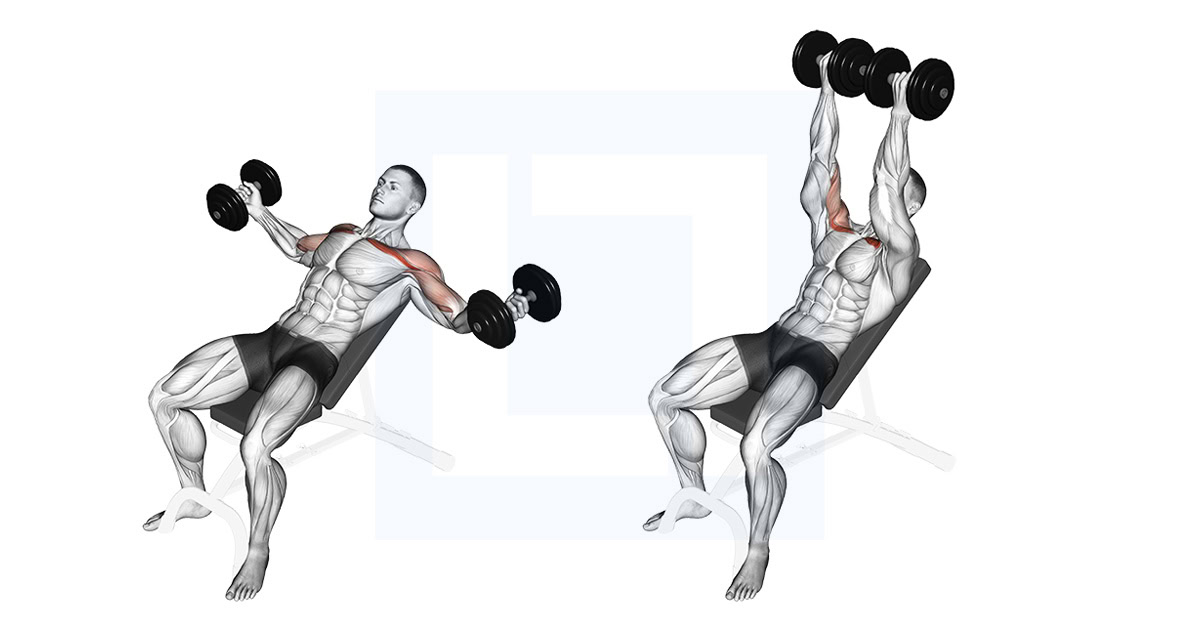
- Dumbbell Decline Fly
- Cable Crossover (high pulley)
- Single-Arm Cable Decline Fly
- Pause Cable Decline Fly