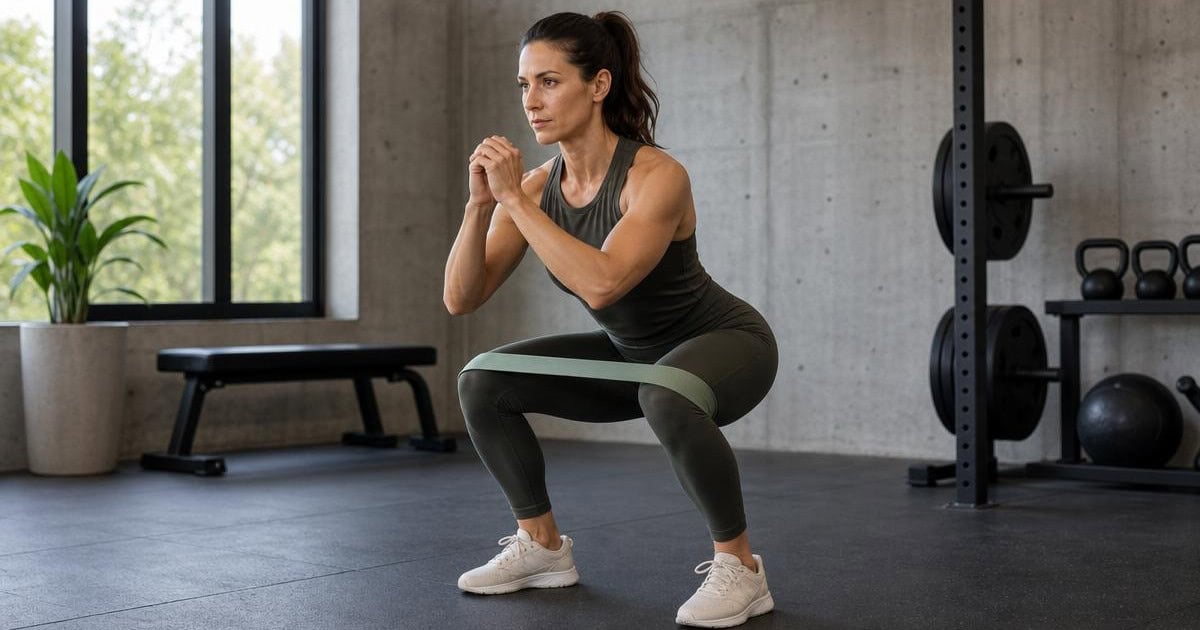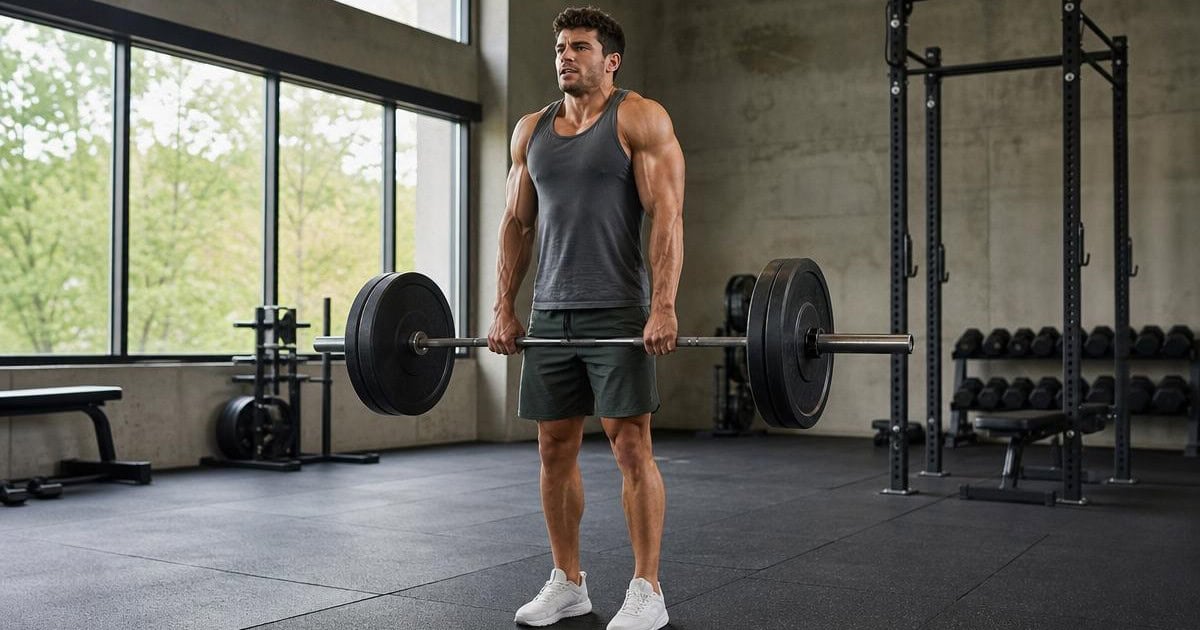
The upper trapezius is the upper portion of the large kite-shaped muscle running from the base of the skull to the mid-back. The upper traps elevate the scapulae and contribute to the visible yoke development that distinguishes well-built physiques. Strong upper traps support heavy compound lifting through scapular stabilization, contribute substantially to neck and upper back mass, and provide the visual thickness between the neck and shoulders that quality lifting produces.
These ten exercises cover complete upper trap development. Direct shrug variants (barbell, dumbbell, power shrugs) build trap mass through pure scapular elevation. Heavy compound lifts (deadlifts, trap bar deadlifts, bent-over rows) provide substantial trap loading through stabilization. Loaded carries (farmers walks) produce sustained isometric trap loading. Upright rows develop traps alongside lateral delts. Face pulls provide balanced shoulder work that supports sustainable trap training. Together they hit the upper traps through every productive angle and loading pattern.
Barbell Shrug

The Barbell Shrug performs heavy upper trap shrugs. The pattern directly isolates the upper trapezius through pure scapular elevation.
For upper trap development, barbell shrugs allow the heaviest direct loading. Run it for 3 to 4 sets of 8 to 12 reps as primary upper trap work.
Stand with a barbell at thigh height, hands shoulder-width, palms facing the body. Shrug the shoulders straight up by elevating the traps as high as possible without bending the elbows. Hold the peak briefly. Lower under control to start. The pattern directly isolates the upper trapezius through pure scapular elevation – the upper traps are the primary scapular elevators, and this exercise loads that function with maximum weight. Foundational upper trap exercise that allows progressive heavy loading for substantial mass development.
Dumbbell Shrug

The Dumbbell Shrug performs shrugs with dumbbells. The pattern allows greater range of motion than barbell shrugs.
For upper trap development, dumbbell shrugs allow per-side loading with full range. Run it for 3 sets of 10 to 15 reps as variation work.
Stand with dumbbells in each hand at the sides, palms facing the body. Shrug the shoulders straight up by elevating the traps as high as possible. Hold the peak briefly. Lower under control. The dumbbells allow slightly greater range of motion than the barbell because they pass beside the body rather than against it – excellent variation that addresses left/right asymmetries through unilateral loading. Strong complement to barbell shrugs for complete upper trap development.
Trap Bar Deadlift

The Trap Bar Deadlift performs deadlifts with a hex/trap bar. The neutral grip pattern produces heavy trap loading through the upright torso position.
For upper trap development, trap bar deadlifts produce heavy trap stimulation through the neutral grip. Run it for 3 to 4 sets of 4 to 6 reps as compound trap work.
Stand inside a trap bar (hex bar) with feet hip-width. Hinge at the hips and bend the knees to grip the handles at the sides. Drive the floor away by extending hips and knees together to lift the bar. Stand fully tall with shoulders back, then lower under control. The neutral grip and upright torso position emphasize trap loading more than conventional deadlifts – the traps must work intensely throughout to stabilize the heavy load and the slightly more upright torso shifts more of the work to the upper traps. Excellent compound exercise for trap mass.
Barbell Deadlift

The Barbell Deadlift performs conventional deadlifts. The compound pattern produces substantial upper trap loading through scapular stabilization.
For upper trap development, deadlifts produce isometric trap loading through heavy holds. Run it for 3 to 4 sets of 4 to 6 reps as foundational work.
Stand with a barbell over mid-foot, feet hip-width. Hinge at the hips and bend the knees to grip the bar with hands shoulder-width. Drive the floor away by extending hips and knees together to lift the bar. Stand fully tall with shoulders back, then lower under control. The traps must work intensely throughout the lift to stabilize the heavy load and maintain proper shoulder position. Foundational lift that builds trap mass alongside the entire posterior chain – heavy deadlifters typically develop substantial trap development just from the holding demand of regular pulling.
Barbell Power Shrug

The Barbell Power Shrug performs explosive shrugs from a partial pull. The pattern develops trap power through dynamic loading.
For upper trap development, power shrugs allow heavier loading than strict shrugs. Run it for 3 to 4 sets of 4 to 6 reps as explosive trap work.
Stand with a barbell at thigh height, hands shoulder-width. Drive the hips and bend the knees slightly. Explosively extend the hips and shrug the shoulders up forcefully, attempting to elevate the bar through trap power. Lower under control. Repeat. The explosive pattern develops trap power and allows heavier loading than strict shrugs because the hip drive contributes to the lift. Excellent variation alongside heavy shrugs because the dynamic loading targets the explosive trap function critical for athletic performance.
Barbell Upright Row

The Barbell Upright Row performs upright rows with a barbell. The pattern targets the upper traps and lateral delts together.
For upper trap development, upright rows combine trap and delt loading. Run it for 3 sets of 8 to 12 reps as compound shoulder work.
Stand with a barbell held at the front of the thighs, hands roughly shoulder-width. Pull the barbell upward along the body by driving the elbows up and out, lifting the bar to roughly chest height. Lower under control. The pattern develops the upper traps and lateral delts together – the trap engagement comes from the elevation component of the lift while the delts handle the abduction. Use a moderate grip width to reduce shoulder stress while still developing trap and delt mass through the integrated movement.
Dumbbell Upright Row

The Dumbbell Upright Row performs upright rows with dumbbells. The pattern allows per-side loading and varied path.
For upper trap development, dumbbell upright rows offer joint-friendly variation. Run it for 3 sets of 10 to 12 reps as variation work.
Stand with dumbbells in each hand at the front of the thighs, palms facing the body. Pull the dumbbells upward along the body by driving the elbows up and out, lifting to roughly chest height. Lower under control. The dumbbells allow a slightly more natural path than the barbell – the dumbbells can drift apart at the top, reducing shoulder stress. Excellent variation alongside barbell upright rows because the per-side loading addresses asymmetries and the modified path reduces shoulder strain that some lifters experience with the barbell version.
Farmers Walk
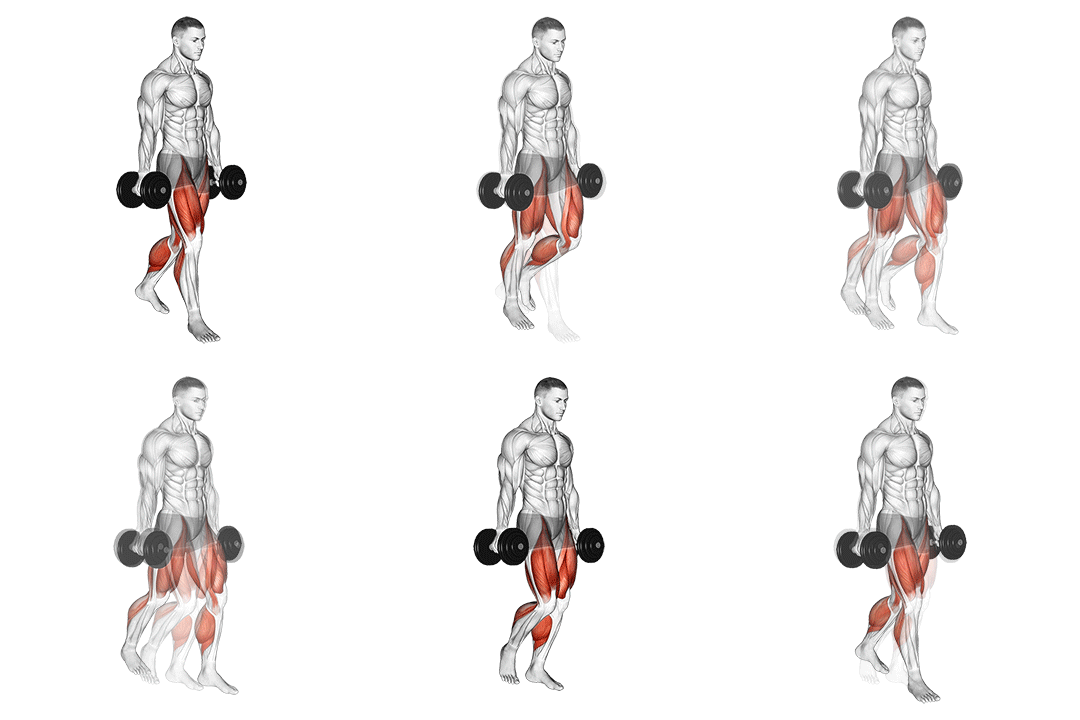
The Farmers Walk performs loaded carries. The pattern produces extreme isometric trap loading through heavy holds.
For upper trap development, farmers walks produce sustained trap loading. Run it for 3 to 4 sets of 30 to 60 second carries as isometric work.
Stand with heavy dumbbells, kettlebells, or trap bar held at the sides. Walk forward with controlled strides while maintaining upright posture. The traps must work isometrically to support the heavy weight throughout the carry. Continue walking for time or distance. The carry produces sustained isometric trap loading – the upper traps must continuously support heavy loads at the sides without resting. Often the loading exceeds what can be used in shrugs, providing a different stimulus that builds trap thickness through sustained tension.
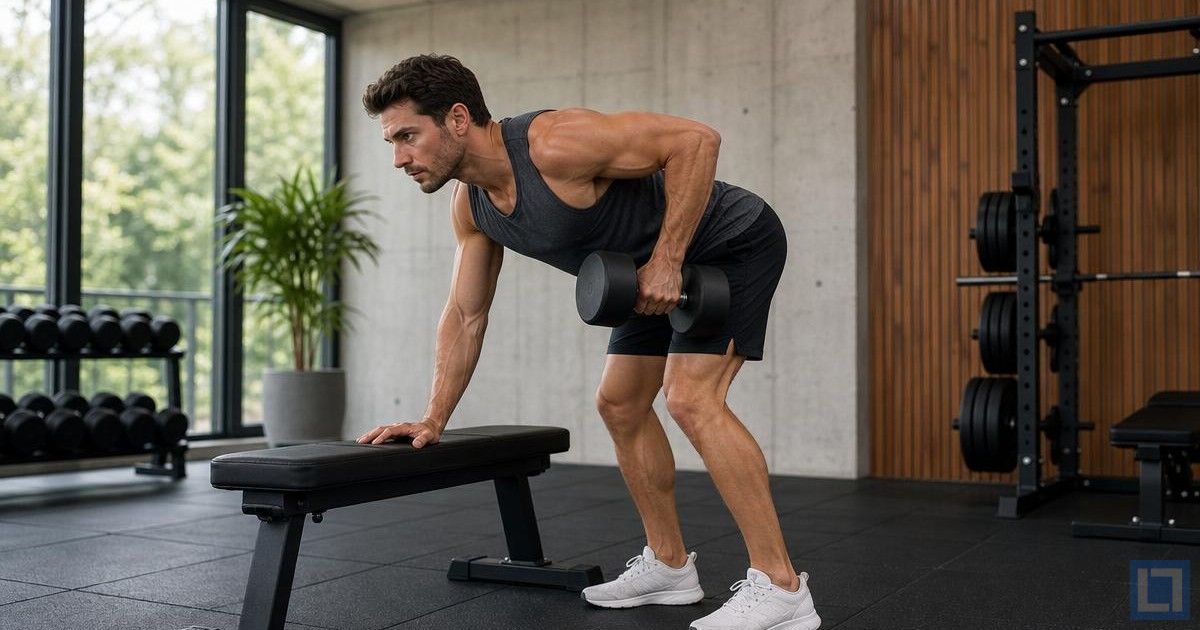
Barbell Bent Over Row

The Barbell Bent Over Row performs heavy compound rows. The pattern develops middle and upper trap through compound loading.
For upper trap development, bent-over rows build compound back strength engaging the traps. Run it for 3 to 4 sets of 6 to 10 reps as compound back work.
Stand with a barbell in front. Hinge at the hips with knees slightly bent until the torso is roughly 45 degrees from the floor, back flat. Grip the bar with hands shoulder-width. Pull the bar to the lower chest by driving the elbows back. Lower under control. The pattern develops the trapezius through scapular retraction – heavy compound rowing requires substantial trap engagement to retract and stabilize the scapulae. Strong rows build trap mass through heavy loading that isolation work alone cannot provide, complementing direct shrug work.
Cable Standing Face Pull

The Cable Standing Face Pull performs face pulls from a high cable. The pattern develops the upper trap function with rear delt and posture work.
For upper trap development, face pulls support the larger trap with rear delt balance. Run it for 3 sets of 12 to 15 reps as supportive work.
Set up at a high cable pulley with rope attachment at face height. Grip the rope with both hands, palms facing each other. Step back and pull the rope toward the face, keeping the elbows high and rotating the hands so the thumbs end up pointing back. Hold the peak contraction. Return under control. The pattern develops the upper trap, rear delts, and posture muscles together – critical because heavy shrug-only programs can produce upper trap dominance without the balanced work. Face pulls provide the balanced shoulder development that sustainable trap training requires.
How To Program These Workouts
Upper trap development works best with 2 to 3 dedicated exposures per week, typically integrated into back, shoulder, or pull sessions. Total weekly trap volume of 10 to 18 working sets drives substantial growth for most lifters when combined with the heavy compound work that provides additional trap stimulation.
Structure trap work after main lifts when the back and shoulders are warm. Sample integration: heavy compound work (deadlift, bent-over row, trap bar deadlift), then direct trap work (barbell shrug, power shrug), finishing with carries (farmers walks) and balance work (face pulls). Use 3 to 4 sets of 4 to 6 reps for heavy compounds, 3 to 4 sets of 8 to 12 reps for shrugs, 3 sets of 30 to 60 second carries.
Progressive overload drives trap growth – add weight or reps when current loading becomes manageable. The traps respond exceptionally well to heavy loading because the muscle fibers are biased toward strength and mass development. Tracking shrug, deadlift, and carry loads in a log and adding small increments when sets become easy ensures consistent progress. Visible trap development typically takes 12 to 24 weeks of consistent dedicated work.
Final Thoughts
These ten exercises cover the complete upper trap development toolkit. The direct shrug work builds trap mass through pure isolation. The heavy compound work provides substantial trap loading through stabilization. The loaded carries produce sustained isometric loading. The upright rows develop traps alongside lateral delts. The face pulls provide balanced shoulder work. Together they produce the trap development that distinguishes well-built physiques.
Building substantial upper trap development requires consistent direct and compound work over months and years. The traps respond exceptionally well to heavy loading and tolerate frequent moderate-volume work. Lifters who treat trap training as a priority alongside heavy compound work typically develop the visible yoke that distinguishes serious physique builders from those who only train through incidental compound stimulation.
Frequently Asked Questions
What is the upper trapezius?
The upper trapezius is the upper portion of the large kite-shaped muscle running from the base of the skull to the mid-back. The upper traps elevate the scapulae (shrug the shoulders) and provide the visible muscle mass between the neck and shoulders. Strong upper traps support heavy compound lifting and contribute substantially to upper body thickness.
Are heavy shrugs the best upper trap exercise?
Heavy shrugs (barbell, dumbbell, power shrugs) are foundational for upper trap development through direct heavy loading on the trap’s primary function. However, complete upper trap development also benefits from heavy compound lifts (deadlifts, trap bar deadlifts), loaded carries (farmers walks), and balanced shoulder work. Shrugs alone produce limited size compared to combined approach.
How often should the upper traps be trained?
2 to 3 exposures per week works well for most lifters, typically integrated into back, shoulder, or pull sessions. Total weekly volume of 10 to 18 working sets drives substantial growth. The traps recover quickly and tolerate frequent moderate-volume work, making them well-suited to integration with multiple training sessions per week.
Will heavy shrugs cause neck pain?
Properly performed shrugs do not typically cause neck pain. Common technique issues that can produce neck discomfort include rolling the shoulders rather than shrugging straight up, using excessive weight that compromises form, or holding tension in the neck rather than the traps during the lift. Strict straight-up shrug technique with appropriate loading should not produce neck pain.
Should upper and lower trap work be balanced?
Yes – balanced trap development supports healthy shoulder mechanics. Heavy upper trap work (shrugs) without lower trap work (face pulls, Y-raises) can produce upper trap dominance that contributes to forward head posture and shoulder dysfunction. Combining upper trap mass work with lower trap functional work supports both physique development and shoulder health.