The rotator cuff is the four-muscle complex (supraspinatus, infraspinatus, teres minor, subscapularis) responsible for shoulder stability and the rotational movements that protect the shoulder during pressing, pulling, throwing, and overhead work. Rotator cuff dysfunction is one of the most common causes of shoulder pain and limited overhead capacity, and most lifters who experience shoulder issues have neglected rotator cuff training entirely. The right rotator cuff training protocol prevents most shoulder issues, addresses existing imbalances created by excessive pressing volume, and produces stronger pressing capacity through better shoulder mechanics. The most effective rotator cuff training prioritizes direct external rotation work for the infraspinatus and teres minor (the most undertrained rotators), face pull patterns for combined rear delt and external rotation, Y raise variations for the overhead position, scapular retraction work for posture support, and lighter accessory work for high frequency low-injury training. Most rotator cuff issues develop from training imbalances (too much pressing relative to pulling), poor posture creating internally-rotated shoulders, and insufficient direct rotator cuff work to maintain function.
Below are ten of the most effective exercises for rotator cuff health and strengthening, covering direct external rotation work (resistance band external rotation, dumbbell external rotation, dumbbell bench supported external rotation, cable shoulder 90 degrees external rotation), face pull patterns (band face pull), combined rotator cuff and shoulder patterns (dumbbell Cuban press), Y raise variations (band Y raise, prone Y raise), and scapular retraction support (band pull apart, dumbbell rear delt fly). Together they form a complete rotator cuff training program. A 15 to 25-minute rotator cuff session pulled from this list, performed 2 to 3 times per week, produces strong rotator cuff health for any lifter focused on shoulder injury prevention or addressing existing rotator cuff issues.
Band Face Pull

The Band Face Pull performs face pulls with a resistance band. The pattern produces strong rotator cuff and rear delt work through external rotation.
For rotator cuff health, the band face pull is one of the most effective exercises. The pattern hits the rear delts and rotator cuff through combined retraction and external rotation. Run it for 3 sets of 12 to 20 reps as primary rotator cuff work.
Anchor a resistance band at upper chest height. Stand facing the anchor holding the band ends with both hands. Pull the band toward the face by retracting the shoulder blades and externally rotating the upper arms (so the hands end up beside the head, palms facing forward). The rear delts and rotator cuff work hard through retraction plus external rotation. Squeeze the rear delts and rotator cuff at peak contraction. Lower under control. The pattern is foundational for rotator cuff health and posture, addressing the imbalances created by excessive pressing volume.
Dumbbell Cuban Press

The Dumbbell Cuban Press performs combined upright row, external rotation, and overhead press. The combined pattern produces strong rotator cuff loading.
For rotator cuff health, the Cuban press combines multiple shoulder functions including critical external rotation. Run it for 3 sets of 8 to 10 reps as combined rotator cuff and shoulder work.
Stand with feet hip-width holding light dumbbells at the front of the thighs. Perform an upright row by pulling the dumbbells up along the body to shoulder level. From this position, externally rotate the upper arms so the dumbbells flip up to be in the rack position with palms forward. From the rack, press the dumbbells straight overhead. Reverse through each phase to return to start. The external rotation phase is critical for rotator cuff health. Use light weights with strict form rather than heavy weights with compensation.
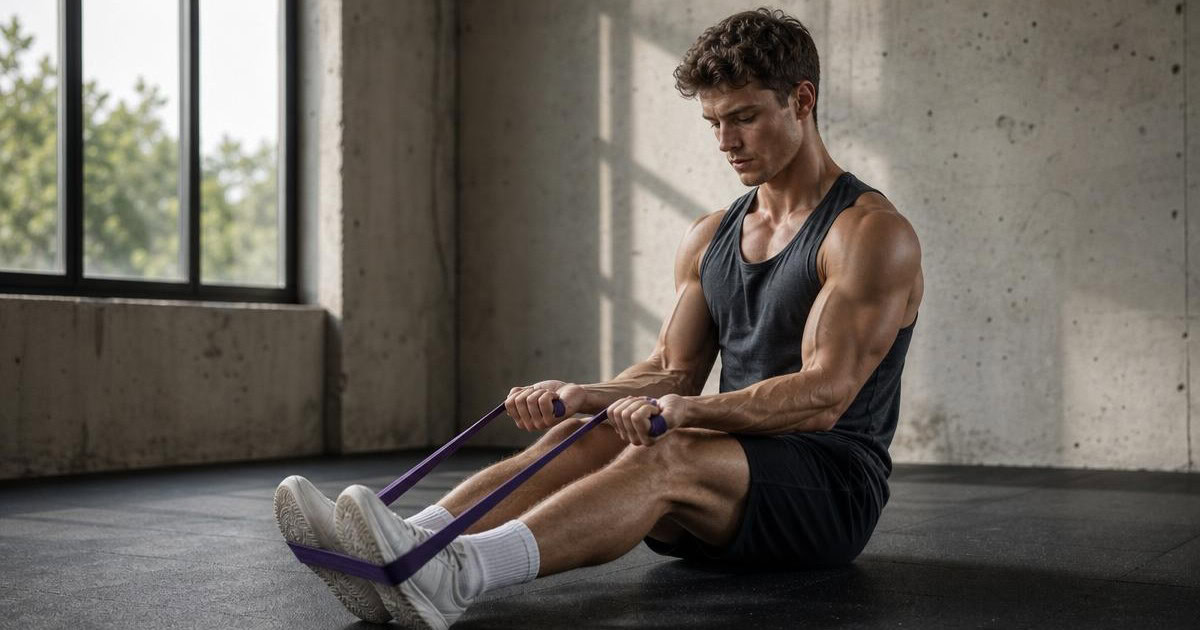
Resistance Band External Rotation
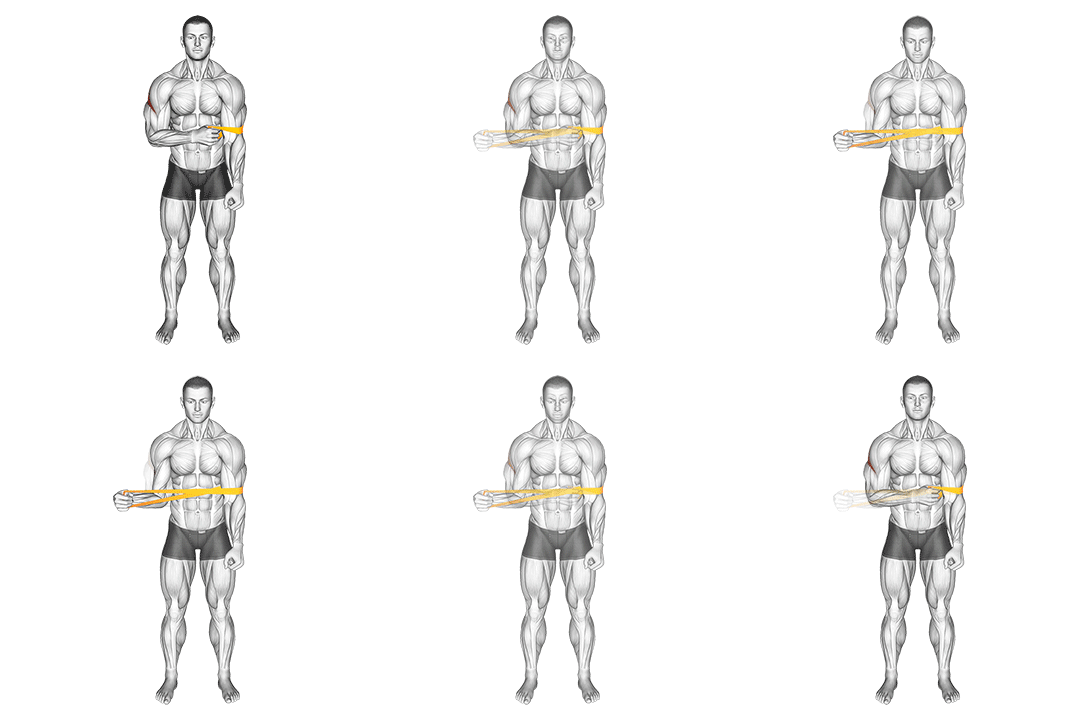
The Resistance Band External Rotation performs external rotations with a resistance band. The pattern produces direct rotator cuff isolation.
For rotator cuff health, direct external rotation is foundational. The infraspinatus and teres minor are the primary external rotators. Run it for 3 sets of 12 to 15 reps per arm as direct rotator cuff work.
Anchor a resistance band at elbow height. Stand sideways to the anchor. Hold the band end in the hand farthest from the anchor with the elbow bent at 90 degrees and tucked at the side. Rotate the forearm outward (away from the body) by externally rotating at the shoulder while keeping the elbow tight against the side. The rotator cuff (infraspinatus and teres minor) works hard through pure external rotation. Squeeze at peak rotation. Return under control. The pattern produces direct rotator cuff isolation that is foundational for shoulder health.
Cable Shoulder 90 Degrees External Rotation

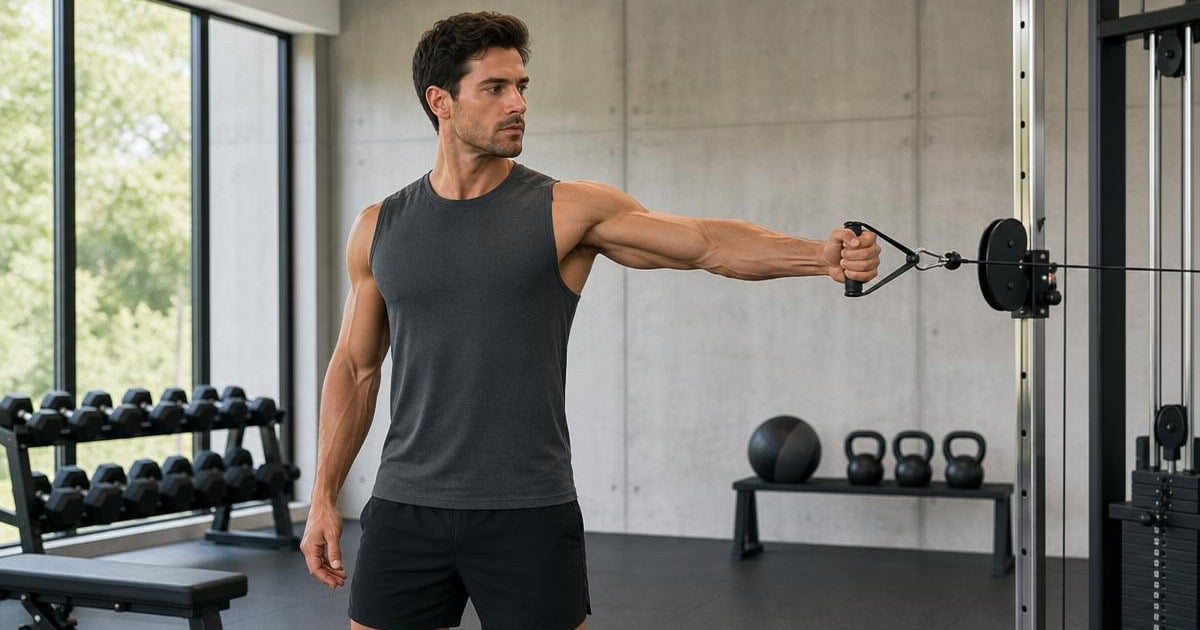
The Cable Shoulder 90 Degrees External Rotation performs external rotation with cable at 90-degree shoulder abduction. The pattern produces rotator cuff work in the throwing position.
For rotator cuff health, cable external rotation at 90 degrees mimics throwing/punching mechanics. Run it for 3 sets of 12 to 15 reps per arm as rotator cuff strengthening work.
Set a cable to mid height. Stand sideways to the cable with the working arm farthest from the cable. Raise the working arm so the upper arm is parallel to the floor (90-degree abduction) with the elbow bent at 90 degrees and the forearm pointing forward. Hold the cable handle in the working hand. Externally rotate the shoulder by rotating the forearm up while keeping the upper arm fixed. The rotator cuff works hard through external rotation in the throwing position. The pattern strengthens rotator cuff in the position of greatest demand.
Dumbbell External Rotation

The Dumbbell External Rotation performs external rotations with a dumbbell. The pattern produces direct rotator cuff isolation.
For rotator cuff health, dumbbell external rotation provides accessible direct rotator cuff loading. Run it for 3 sets of 12 to 15 reps per arm as foundational rotator cuff work.
Lie on one side on a flat surface or stand with the working side outward. Hold a light dumbbell in the upper hand with the elbow bent at 90 degrees and tucked against the side. Rotate the forearm upward by externally rotating at the shoulder while keeping the elbow tight against the side and the upper arm stationary. The rotator cuff works through external rotation. Lower under control. The pattern produces direct rotator cuff isolation. Use very light weights (2 to 10 lb) with strict form. Heavier weights force compensation that defeats the purpose.
Dumbbell Rear Delt Fly
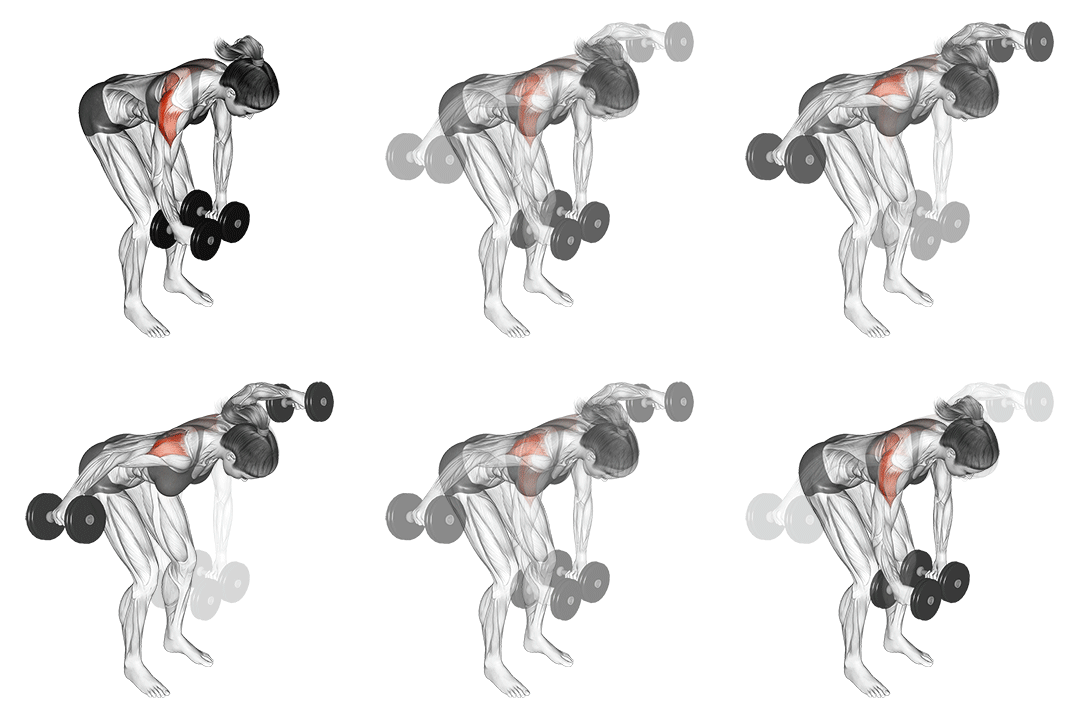
The Dumbbell Rear Delt Fly performs rear delt flies with dumbbells. The pattern produces strong rear delt work that supports rotator cuff function.
For rotator cuff health, the rear delt fly strengthens the rear delts that support rotator cuff stability. Run it for 3 sets of 12 to 15 reps as rear delt work supporting rotator cuff.
Stand with feet hip-width holding dumbbells. Hinge forward at the hips with a flat back so the torso is parallel to the floor. Let the arms hang straight down. Keep slight bend in the elbows. Lift the arms out to the sides in a reverse fly motion until they reach shoulder height. The rear delts work hard through the lateral motion. Squeeze at peak contraction. Lower under control. The pattern strengthens rear delts that support overall shoulder and rotator cuff function. Strong rear delts protect against forward shoulder posture.
Band Pull Apart
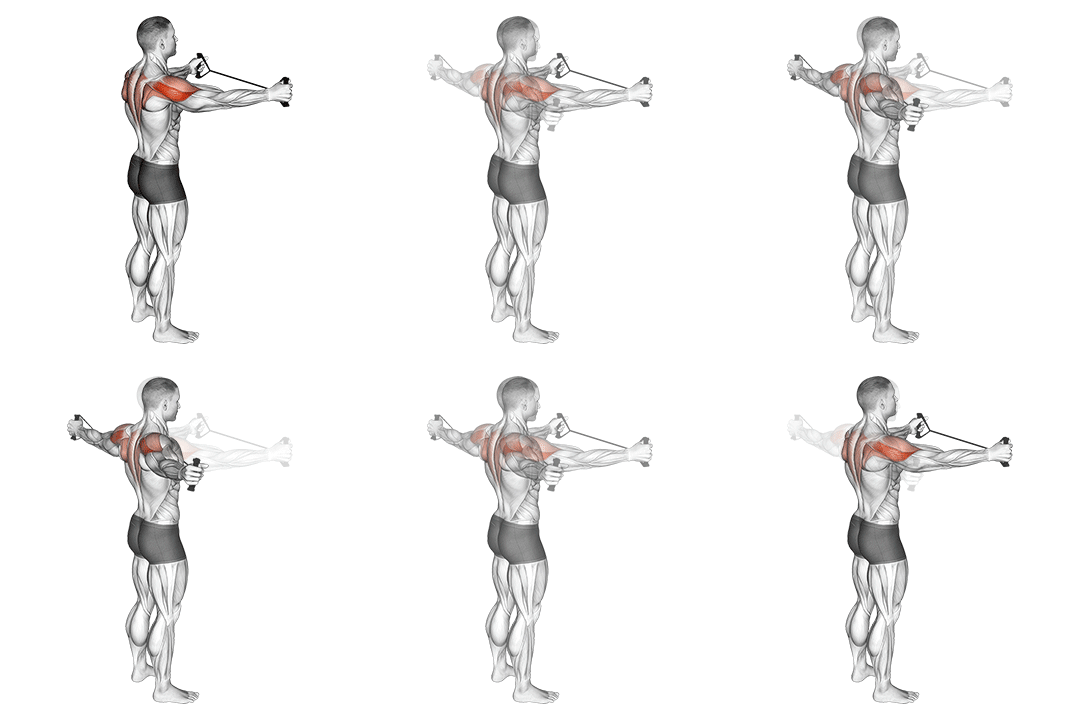
The Band Pull Apart performs band pull-aparts with a resistance band. The pattern produces strong rear delt and rotator cuff work through retraction.
For rotator cuff health, band pull-aparts provide accessible scapular retraction and rotator cuff support work. Run it for 3 sets of 15 to 25 reps as primary scapular work.
Stand holding a resistance band with both hands at shoulder height with arms straight in front. Pull the band apart by retracting the shoulder blades and bringing the arms out to the sides. The rear delts and middle traps work through scapular retraction. Squeeze the shoulder blades hard at peak. Return under control. The pattern is foundational for rotator cuff support and shoulder health. The high rep range allows for effective high-volume work that addresses pressing-induced imbalances. Excellent as a daily prehab exercise.
Band Y Raise

The Band Y Raise performs Y raises with a resistance band. The pattern produces strong lower trap and rotator cuff work in the overhead position.
For rotator cuff health, the Y raise strengthens lower traps and rotator cuff in the overhead position. Run it for 3 sets of 10 to 15 reps as Y-position work.
Anchor a resistance band low. Hold the band ends with both hands. Stand with feet hip-width and hinge forward slightly with a flat back. Raise the arms up and out at about 45 degrees to form a Y shape with the body. Keep the arms straight throughout. The lower traps and rotator cuff work hard through the overhead Y position. Squeeze at peak. Return under control. The pattern is critical for rotator cuff health by training the overhead Y position that supports shoulder stability during pressing and pulling.
Dumbbell Bench Supported External Rotation

The Dumbbell Bench Supported External Rotation performs external rotation with the upper arm supported on a bench. The pattern produces isolated rotator cuff work.
For rotator cuff health, bench-supported external rotation isolates the rotator cuff effectively. Run it for 3 sets of 10 to 12 reps per arm as targeted rotator cuff work.
Set up an incline bench. Position so the working upper arm rests on the bench with the elbow bent at 90 degrees and the forearm hanging down. Hold a light dumbbell in the working hand. Rotate the forearm upward by externally rotating at the shoulder. The bench supports the upper arm and isolates the rotator cuff. The rotator cuff works through pure external rotation without compensation. Lower under control. The pattern produces excellent rotator cuff isolation through the supported position.
Prone Y Raise

The Prone Y Raise performs Y raises while lying face-down on a bench. The pattern produces strong lower trap and rotator cuff work in the overhead Y position.
For rotator cuff health, the prone Y raise strengthens the rotator cuff and lower traps in the overhead position. Run it for 3 sets of 10 to 12 reps as prone Y work.
Lie face-down on an incline bench (set at about 30 to 45 degrees) with the chest supported and arms hanging down. Hold light dumbbells (or no weight) in each hand. Raise the arms up and out at about 45 degrees to form a Y shape relative to the body, with thumbs pointing up. The lower traps and rotator cuff work hard through the prone Y motion. Squeeze at peak position. Lower under control. The pattern is excellent for rotator cuff health and addressing overhead position weakness.
How To Program These Workouts
A productive rotator cuff session pulls 4 to 6 exercises from the list above. A common session: band face pull (combined), resistance band external rotation (direct), dumbbell rear delt fly (rear delt support), band pull apart (retraction), prone Y raise (overhead). For prehab focus: band face pull, band pull apart, resistance band external rotation, dumbbell external rotation. For rehab/recovery focus: lighter loads with all direct external rotation work and Y raises. Run direct rotator cuff work for 3 sets of 10 to 15 reps per arm with very light weights, face pull and pull apart work for 3 sets of 12 to 25 reps, Y raise variations for 3 sets of 10 to 15 reps. Keep weights light – rotator cuff work with too-heavy weights forces compensation that defeats the purpose.
Train rotator cuff 2 to 3 times per week as part of complete shoulder programming. Most successful lifters incorporate rotator cuff work as: 1) warm-up before pressing/pulling sessions (10 to 15 minutes of band work), 2) dedicated accessory blocks at the end of training sessions (15 to 20 minutes of focused work), or 3) standalone short sessions on rest days. The high-frequency, lower-volume approach produces better rotator cuff development than infrequent heavier sessions. Lifters dealing with active shoulder issues often train rotator cuff daily with very light loads as part of rehabilitation programming. Always use lighter weights than feels comfortable – the rotator cuff is designed for stabilization, not heavy loading.
For broader shoulder programming, see our best shoulder mobility exercises and best workouts for shoulder pain. For specific delt work, see our best rear delt exercises.
Final Thoughts
The best rotator cuff exercises deliver real shoulder health improvements through training that targets the specific rotator cuff functions: external rotation strengthening, face pull patterns for combined retraction and rotation, Y raise variations for the overhead position, and scapular retraction support for posture. The combination of band face pulls, direct external rotation variations, Cuban presses, Y raises, pull aparts, and rear delt flies covers every functional pattern of the rotator cuff and produces broader shoulder health than pressing alone would suggest. Many lifters discover reduced shoulder pain, improved pressing capacity, better posture, and reduced injury rates within 8 to 12 weeks of adding consistent rotator cuff work. For lifters experiencing shoulder pain, plateau on pressing exercises, or wanting to prevent future injuries, dedicated rotator cuff training is one of the most effective interventions available.
Stay focused on light loads and high frequency rather than heavy occasional work. The most common mistake lifters make in rotator cuff training is using weights too heavy for the small rotator cuff muscles, forcing compensation from larger muscles that defeats the purpose. The fix: use very light weights (2 to 10 lb dumbbells, light bands) with strict form across higher rep ranges (12 to 25 reps). Combined with high frequency (2 to 3 times per week minimum, daily for active issues), light-load high-volume work produces the rotator cuff strength and resilience that prevents shoulder issues throughout long training careers.
Frequently Asked Questions
How often should I train rotator cuff?
2 to 3 times per week minimum, daily for active issues. Most successful lifters incorporate rotator cuff work as: 1) warm-up before pressing/pulling sessions, 2) dedicated accessory blocks at training session ends, or 3) standalone short sessions on rest days. The high-frequency, lower-volume approach produces better rotator cuff development than infrequent heavier work. Lifters with active shoulder issues often train rotator cuff daily with very light loads. The rotator cuff responds well to high-frequency low-load training.
What’s the best exercise for rotator cuff?
Band face pulls and direct external rotation work are most effective. Band face pulls combine rear delt activation with external rotation in one efficient pattern. Direct external rotation work (band external rotation, dumbbell external rotation) isolates the infraspinatus and teres minor (the most undertrained rotators). Combined with Y raises (overhead position), pull aparts (retraction), and rear delt flies (posture support), these form the foundation of complete rotator cuff health. Most successful programs include all of these patterns regularly.
How heavy should I lift for rotator cuff?
Very light loads with strict form. Direct external rotation work uses 2 to 10 lb dumbbells or light bands. Face pulls and pull aparts use light to moderate band tension. Y raises use very light dumbbells or no weight. Cuban presses use light dumbbells (5 to 15 lb). The rotator cuff is designed for stabilization, not heavy loading – heavier weights force compensation from larger muscles that defeats the purpose. Quality light-load high-rep work produces better rotator cuff health than ego-driven heavy work.
Will rotator cuff training help my bench press?
Yes substantially for most lifters. Strong rotator cuff produces: better shoulder stability under heavy press loads, reduced shoulder injury risk that interrupts training, better pressing form maintenance, and improved pressing capacity through better shoulder mechanics. Many lifters who plateau on bench press discover that adding consistent rotator cuff work breaks through the plateau. The connection works because rotator cuff weakness limits pressing capacity through reduced shoulder stability and increased injury risk.
Can rotator cuff exercises fix shoulder pain?
Often yes for muscular and imbalance-based shoulder issues. Most rotator cuff issues develop from training imbalances (too much pressing relative to pulling), poor posture creating internally-rotated shoulders, and insufficient direct rotator cuff work. Dedicated rotator cuff training (face pulls, external rotation, Y raises, pull aparts) often resolves these issues within 8 to 12 weeks of consistent work. However, structural issues (rotator cuff tears, impingement) require medical evaluation – persistent pain not improving with conservative training warrants professional assessment.