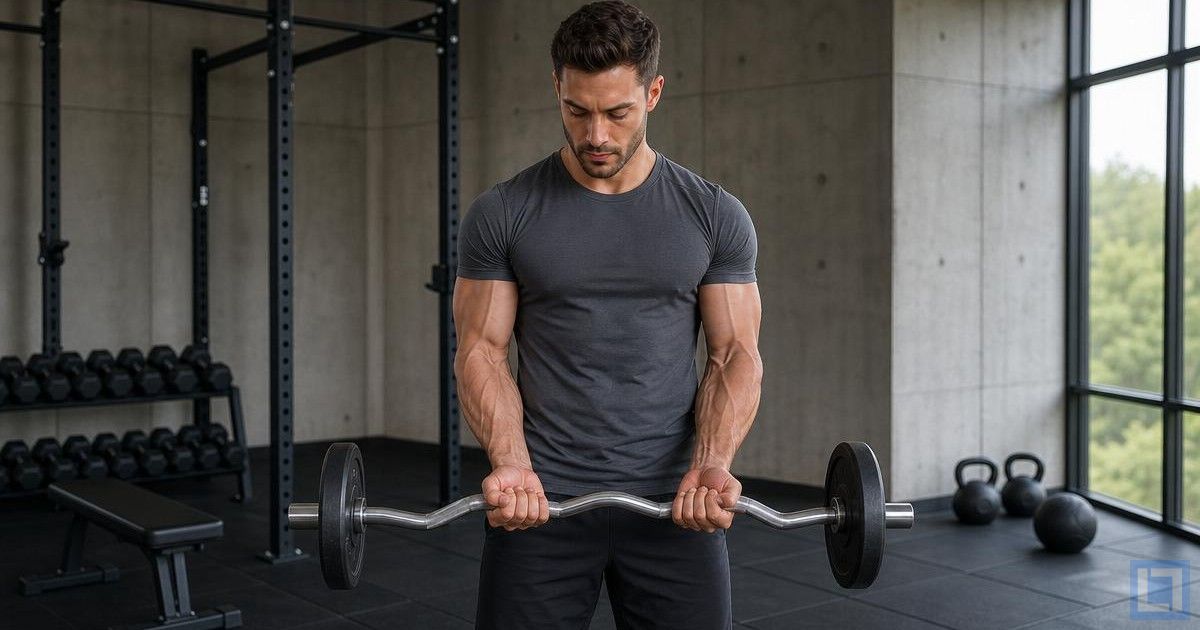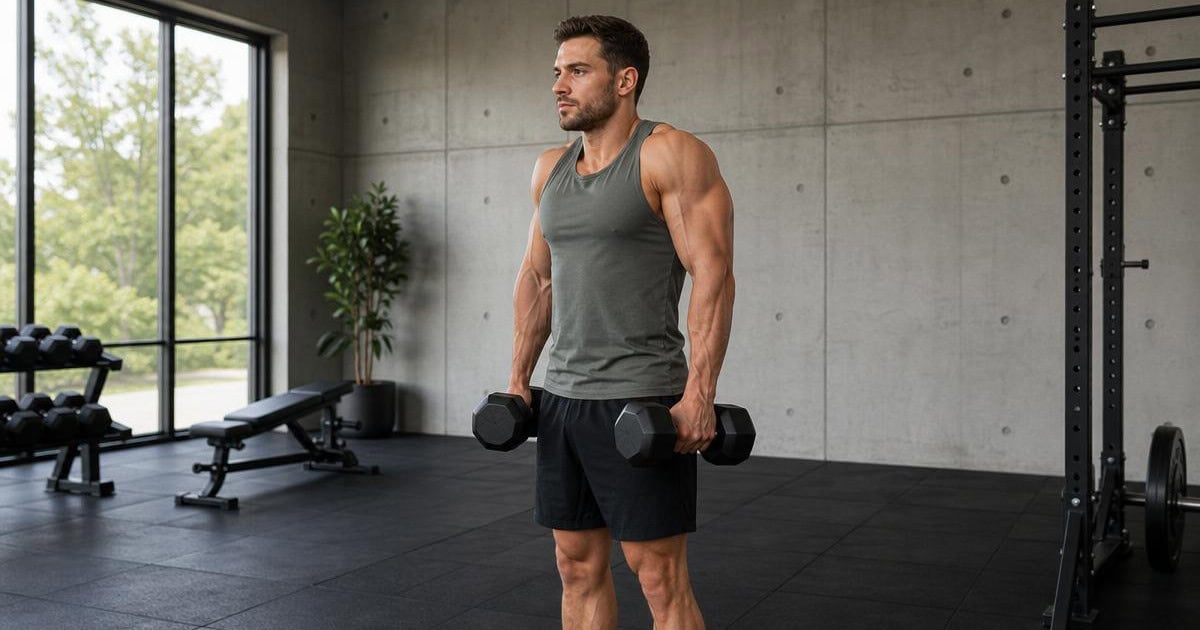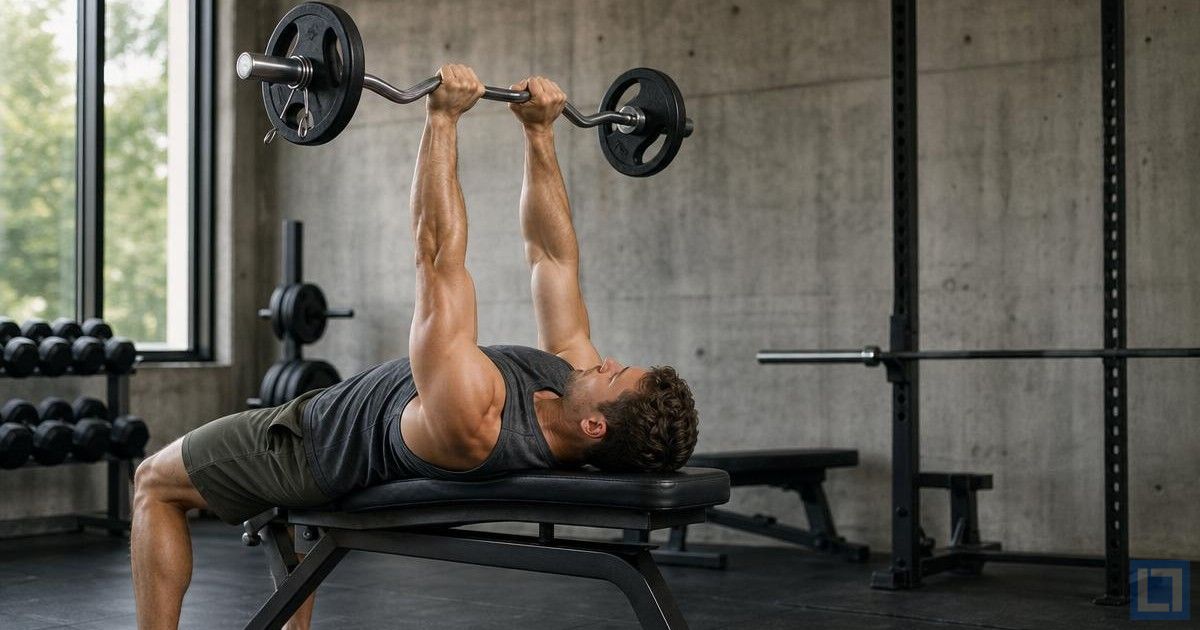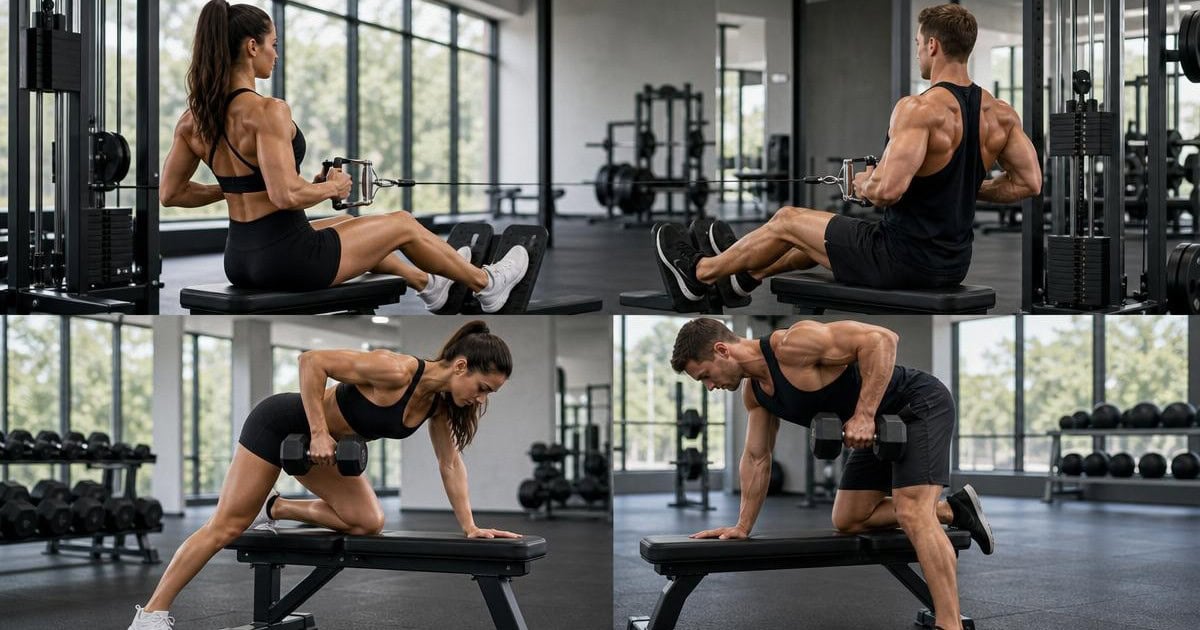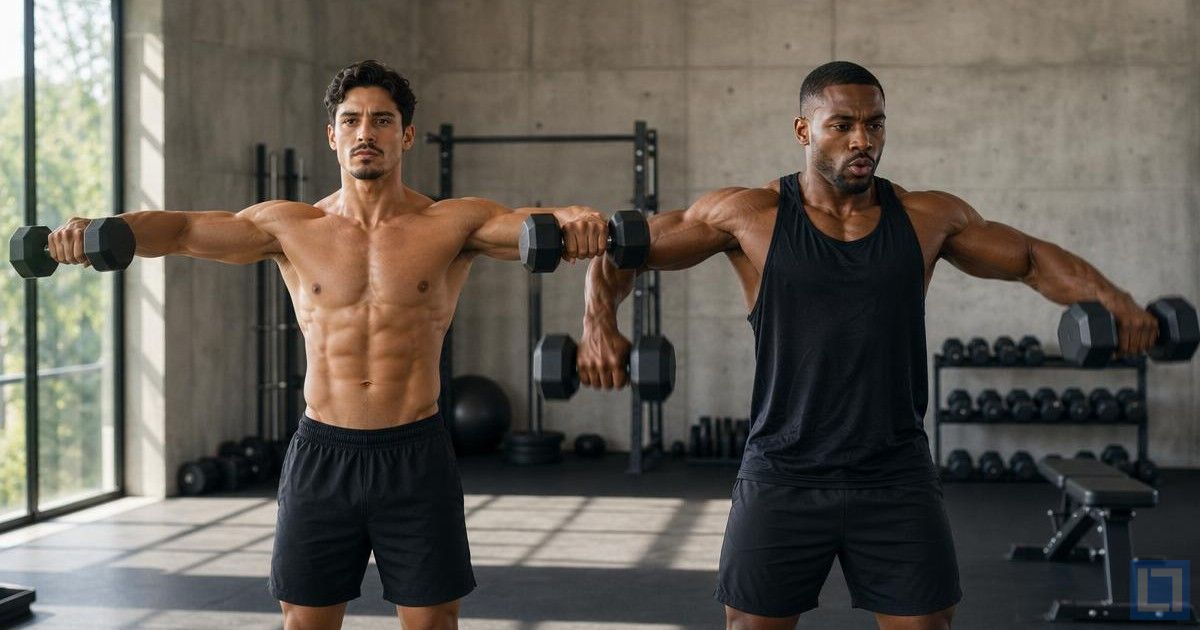
Side delts (the medial deltoid heads) determine shoulder width more than any other muscle. Well-developed side delts produce the visible shoulder caps and broad upper-body appearance that defines an athletic V-taper, and the visible difference between trained and untrained side delts is dramatic in any short-sleeve setting. Despite this importance, side delts are one of the most underdeveloped shoulder muscles because most pressing exercises emphasize the front delts heavily while leaving the side delts relatively undertrained.
Below are ten effective side delt exercises that cover dumbbell and cable lateral raise variations, partial-range high-rep work, advanced unilateral and chest-supported angles, bent-arm heavy loading, and upright row patterns. Together they form a complete side delt training program that produces the shoulder width most lifters want. The exercises require minimal equipment (a pair of dumbbells covers most of the list) and work in commercial gyms, home gyms, and minimal-equipment setups.
Dumbbell Lateral Raise

The Dumbbell Lateral Raise holds dumbbells at the sides and lifts them out laterally to shoulder height with arms straight or slightly bent. The exercise targets the side deltoids directly through their primary shoulder abduction function.
For side delt development, the dumbbell lateral raise is the foundational exercise that every program needs. The pattern hits the medial deltoid heads with maximum efficiency, and the dumbbell format allows precise weight selection for proper progression. Run it for 3 to 4 sets of 12 to 15 reps as the primary side delt exercise. Light weight done strict produces stronger development than heavy weight done sloppy.
Stand tall with dumbbells held at the sides, palms facing the body. Lift the dumbbells out to the sides until the arms are roughly parallel to the floor. The motion comes from the shoulders, not the traps; keep the shoulders down throughout the rep. Pause briefly at the top. Lower under control.
Cable Lateral Raise

The Cable Lateral Raise stands at a cable station with a low pulley and lifts the cable handle out laterally to shoulder height. The constant tension throughout the rep produces stronger side delt loading than dumbbell variations that lose tension at the bottom.
For lifters with cable access, the cable lateral raise produces stronger time under tension on the side delts than dumbbell variations. The constant cable tension keeps the medial deltoid loaded throughout the entire rep, including the bottom range where dumbbells lose tension. Run it for 3 sets of 12 to 15 reps as either the primary or secondary side delt exercise.
Stand sideways to a cable station with the low pulley on the opposite side from the working arm. Hold the cable handle in front of the body with the arm extended down. Lift the handle out to the side until the arm is roughly parallel to the floor. Lower under control. Switch sides.
Kettlebell Lateral Raise

The Kettlebell Lateral Raise holds a kettlebell at the side and lifts it out laterally to shoulder height. The bell shape produces a slightly different loading pattern than dumbbells because the weight hangs below the handle.
The kettlebell version of the lateral raise produces unique loading because the offset center of gravity (weight below the handle) requires slight wrist stabilization that dumbbell variations do not demand. The added stability requirement engages more shoulder stabilizers per rep. Run it for 3 sets of 12 to 15 reps as a variation in any kettlebell-equipped program.
Hold a kettlebell at the side with the arm extended down. Lift the kettlebell out to the side until the arm is parallel to the floor. Pause briefly at the top. Lower under control. Avoid swinging the weight; if the load is too heavy to do strict, drop down a size. Switch sides.
Dumbbell Partials Lateral Raise

The Dumbbell Partials Lateral Raise performs lateral raises through a partial range of motion (typically the bottom half), focusing on the most demanding portion of the lift. The partial range allows higher rep counts and produces strong metabolic stress on the side delts.
For high-rep side delt training that drives the metabolic stress responsible for muscle growth, the partials lateral raise is one of the most effective exercises that exists. The shortened range of motion allows lifters to push past the point where full-range raises break down. Run it for 3 sets of 20 to 30 reps as a finisher after primary lateral raise work.
Hold dumbbells at the sides with palms facing the body. Lift the dumbbells partway out to the sides (typically about halfway to parallel) and lower back to the start. Continue without ever fully extending or fully lowering. Maintain continuous tension throughout the entire set.
Dumbbell Poliquin Lateral Raise

The Dumbbell Poliquin Lateral Raise performs the lateral raise with the elbow leading slightly ahead of the wrist throughout the rep, named after strength coach Charles Poliquin. The elbow-led position emphasizes the medial deltoid more than standard lateral raises by reducing front delt involvement.
For lifters who feel their front delts dominate during standard lateral raises, the Poliquin variation shifts emphasis back to the medial deltoid. The elbow-led pattern produces stronger isolated side delt loading per rep. Run it for 3 sets of 10 to 12 reps as a variation in any shoulder program.
Hold dumbbells at the sides. Lift the dumbbells out to the sides while keeping the elbows slightly ahead of the wrists throughout the motion. The motion looks similar to a standard lateral raise but with the elbows leading the wrists into the air. Pause briefly at the top. Lower under control.
Dumbbell Incline One Arm Lateral Raise

The Dumbbell Incline One Arm Lateral Raise lies on an incline bench (set to 30 to 45 degrees) on one side and performs lateral raises with the top arm. The incline position changes the angle of loading on the side delts compared to standing variations.
For complete side delt development, the incline one-arm lateral raise produces unique loading that standing variations cannot match. The incline angle eliminates body sway and changes the position where the side delts work hardest, which produces stronger development through a different loading pattern. Run it for 3 sets of 10 to 12 reps per arm.
Set the incline bench to 30 to 45 degrees. Lie on one side with the top arm holding a dumbbell at the hip. Lift the dumbbell out and up toward the ceiling until the arm is roughly perpendicular to the floor. Lower under control. Switch sides after each set.
Dumbbell Chest Supported Lateral Raises

The Dumbbell Chest Supported Lateral Raises lie face-down on an incline bench and perform lateral raises with the dumbbells. The chest support eliminates body sway entirely and produces extreme isolation on the side delts and rear delts.
For maximum strict-form side delt training, the chest-supported version is one of the most effective exercises that exists. The eliminated body sway means every bit of the lifting force comes from the shoulder muscles, which produces stronger development per rep than standing variations that allow body momentum. Run it for 3 sets of 10 to 12 reps as accessory work.
Set an incline bench to 30 to 45 degrees. Lie face-down on the bench with chest supported, dumbbells held with arms hanging straight down. Lift the dumbbells out to the sides until the arms are parallel to the floor. Squeeze the side delts and rear delts at the top. Lower under control.
Dumbbell Upright Row

The Dumbbell Upright Row holds dumbbells at the front of the body and pulls them upward toward the chin by raising the elbows out and up. While not a pure lateral raise, the exercise loads the side delts heavily as primary movers alongside the upper traps.
The upright row complements pure lateral raises by loading the side delts through a slightly different motion. The combined side delt and upper trap recruitment produces broader shoulder development per rep. Use a wider grip and lower height (only to chest level) to reduce shoulder impingement risk. Run it for 3 sets of 10 to 12 reps.
Hold dumbbells in front of the thighs with palms facing the body. Pull the dumbbells up toward the chest by raising the elbows out and up; lead with the elbows. Pull only to chest level (not chin level) to reduce shoulder impingement. Lower under control.
Dumbbell Bent Arm Lateral Raise

The Dumbbell Bent Arm Lateral Raise performs the lateral raise with the elbows bent at 90 degrees throughout the rep rather than nearly straight. The bent-arm position shortens the lever arm, which allows heavier loading and emphasizes the medial deltoid.
For lifters who want to lift heavier loads on lateral raises while maintaining strict form, the bent-arm variation reduces the lever arm enough that significantly heavier dumbbells become manageable. The pattern still hits the side delts directly but allows progressive overload that straight-arm variations cap out on. Run it for 3 sets of 8 to 12 reps with heavier weight than standard lateral raises.
Hold dumbbells at the sides with elbows bent at 90 degrees and palms facing the body. Lift the elbows out to the sides until the upper arms are parallel to the floor (the dumbbells point forward). Pause briefly at the top. Lower under control.
Dumbbell Standing Bent Arm Lateral Raise

The Dumbbell Standing Bent Arm Lateral Raise performs the bent-arm lateral raise standing rather than seated, which adds slight core engagement to the shoulder loading. The pattern is similar to the bent-arm raise but with the upright stance.
Standing variations of lateral raises fit naturally into circuit-style training and supersets where moving between exercises is faster than seated variations. The bent-arm version retains the heavier-loading benefit while adding the standing posture demand. Run it for 3 sets of 8 to 12 reps as a variation in any standing-focused shoulder program.
Stand tall with dumbbells held at the sides, elbows bent at 90 degrees and palms facing the body. Lift the elbows out to the sides until the upper arms are parallel to the floor. Pause briefly at the top. Lower under control. Brace the core throughout to prevent body sway.
How To Program These Workouts
A productive side delt session pulls four to six exercises from the list above. A balanced session includes one heavy primary lateral raise (dumbbell or cable), one heavier-load variation (bent-arm raise), one partial-range or high-rep finisher (partials or upright row), and one chest-supported or unilateral exercise (incline one-arm or chest-supported raises). Run primary work for 3 to 4 sets of 10 to 15 reps; finisher work for 3 sets of 20+ reps; chest-supported work for 3 sets of 8 to 12 reps with strict form.
Train side delts two to three times per week. The side delts recover within 24 to 48 hours of moderate training, and they get minimal indirect work from pressing exercises (which emphasize the front delts), which means dedicated side delt training is essential for shoulder width. Most well-designed shoulder programs include 12 to 20 weekly sets of side delt work split across multiple sessions.
For broader shoulder programming, see our best dumbbell shoulder workouts and best rear delt exercises. For complete arm-and-shoulder training, see our best at home shoulder workouts.
Final Thoughts
The best side delt exercises produce visible shoulder width through dedicated lateral raise variations and accessory loading patterns that pressing exercises alone cannot match. The combination of dumbbell, cable, kettlebell, partial-range, and chest-supported variations covers every effective angle for side delt development. For lifters who want broader shoulders and the V-taper appearance that comes from well-developed medial deltoids, these exercises are one of the most effective options available.
Stay focused on strict form and high frequency. The most common side delt training mistake is using too much weight with poor form, which shifts loading from the side delts to the upper traps and front delts. The fix: use lighter weight than feels comfortable and emphasize strict elbow-led raises with the shoulders kept down throughout. Side delts respond well to high frequency (2 to 3 sessions per week) and high volume (12 to 20 weekly sets) with moderate loads, which means consistent strict training over months produces stronger development than heavier sessions performed less frequently.
Frequently Asked Questions
How heavy should lateral raises be?
Lighter than most lifters think. The side delts are small muscles that respond best to strict form with moderate weight. Most beginners do well with 5 to 10-pound dumbbells; intermediates with 10 to 20-pound dumbbells. The right weight is whatever allows clean strict reps in the 12 to 15 rep range. Heavier weight that requires body swing or shoulder shrug compensation produces less side delt development than moderate weight done strict.
How often should I train side delts?
Two to three times per week works for most lifters. The side delts recover within 24 to 48 hours of moderate training, and they get minimal indirect work from pressing exercises. Most successful shoulder programs include dedicated side delt work in nearly every shoulder session, which often means 2 to 3 sessions per week. Daily side delt training is feasible with moderate volume (3 to 5 sets per session) for advanced lifters.
Why aren’t my side delts growing?
The three most common reasons are insufficient volume (less than 8 weekly sets of dedicated side delt work), too much weight with poor form (which shifts loading to the traps and front delts), and insufficient frequency (training side delts only once per week). Fix all three and most lifters see noticeable growth within 8 to 12 weeks. The side delts are stubborn but they do grow with appropriate volume, frequency, and strict form.
What’s the best side delt exercise?
The dumbbell lateral raise is the most effective single side delt exercise for most lifters. The combination of accessibility (just need dumbbells) and direct medial deltoid loading produces stronger side delt development per rep than most other exercises. Cable lateral raises come second for lifters with cable access. Most well-designed programs use both as primary side delt exercises alongside accessory variations.
Can lateral raises make my shoulders look wider?
Yes, that is exactly what they do. Visible shoulder width comes primarily from medial deltoid development; the front and rear delts contribute to overall shoulder size but do not significantly increase width from the front view. Dedicated side delt training over 12 to 16 weeks produces measurable shoulder width changes for most lifters with appropriate progressive loading and strict form.