The inner quads (vastus medialis) and adductors (inner thigh muscles) are some of the most underdeveloped lower-body muscles in standard training programs. Most lifters default to standard shoulder-width squats and lunges, which produce strong outer-quad and glute development but leave the inner thighs relatively undertrained. The visible difference between developed and undeveloped inner quads is significant when wearing shorts or athletic clothing, and underdeveloped adductors increase the risk of groin strains during athletic activities. The best inner quad workouts use wide-stance squatting and lateral movement patterns that load the inner thighs directly.
Below are ten effective inner quad exercises that cover bodyweight and loaded sumo squats (the foundational inner-thigh squat pattern), Cossack squats (lateral squatting with extreme adductor stretch), lateral lunges (foundational lateral motion), Bulgarian split squats (deep unilateral stretch loading), and goblet squats with wide-stance modifications. Together they form a complete inner quad training program that produces visible inner thigh development over months of consistent practice.
Sumo Squat

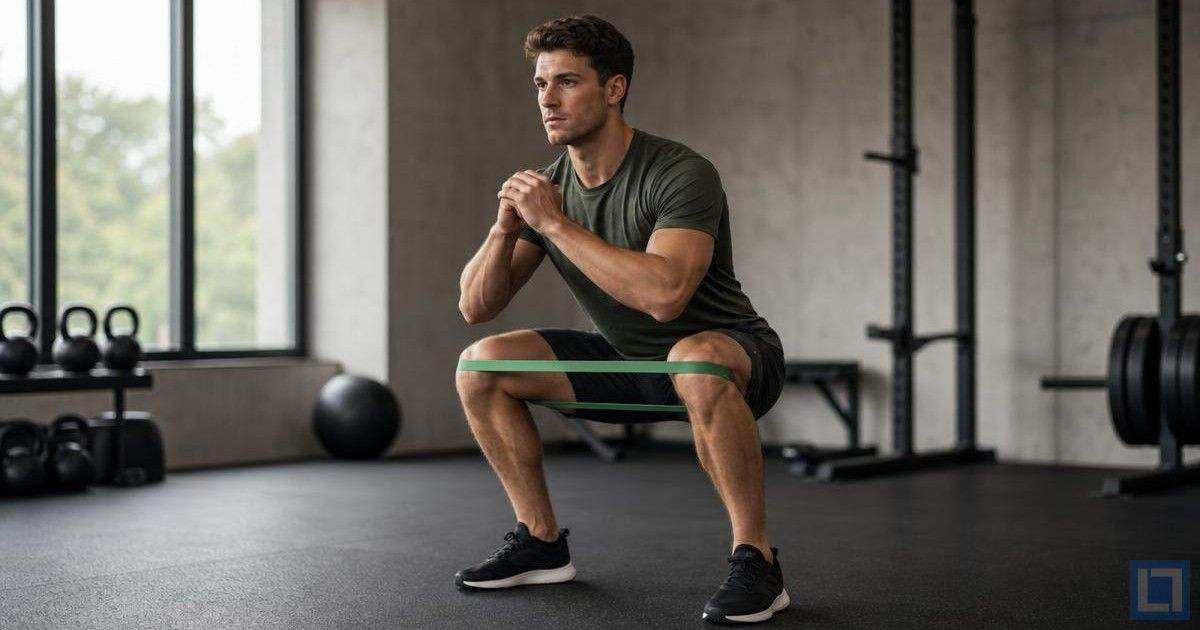
The Sumo Squat takes a wide stance with toes pointed outward and squats straight down. The wide stance recruits the inner thighs (adductors) and inner quads more heavily than standard shoulder-width squats.
For inner quad and adductor development, the bodyweight sumo squat is the foundational exercise. The wide stance shifts loading from the outer quads to the inner quads and adductors, which produces stronger inner thigh development per rep than standard squats. Run it for 3 to 4 sets of 12 to 15 reps as the foundational inner quad exercise.
Stand with feet significantly wider than shoulder-width, toes pointed out at roughly 45 degrees. Squat down by sitting the hips back while bending the knees, keeping the chest tall and weight in the heels. Drop to roughly parallel depth or as deep as mobility allows. Drive back to standing through the whole foot.
Dumbbell Sumo Squat

The Dumbbell Sumo Squat performs the sumo squat with a dumbbell held vertically between the legs (held at the top end with both hands) or with two dumbbells at the sides. The added load progresses the bodyweight version for continued strength gains.
For loaded inner quad training without a barbell, the dumbbell sumo squat is one of the most effective exercises that exists. The wide stance produces stronger inner thigh and adductor loading than standard dumbbell squats, and the dumbbell allows precise weight progression. Run it for 3 to 4 sets of 8 to 12 reps with progressive loading.
Stand with feet wide and toes pointed out. Hold a dumbbell vertically with both hands, gripping the top end so the dumbbell hangs between the legs. Squat down by sitting the hips back while bending the knees. Drive back to standing through the whole foot. Keep the back flat and the chest tall.
Barbell Sumo Squat

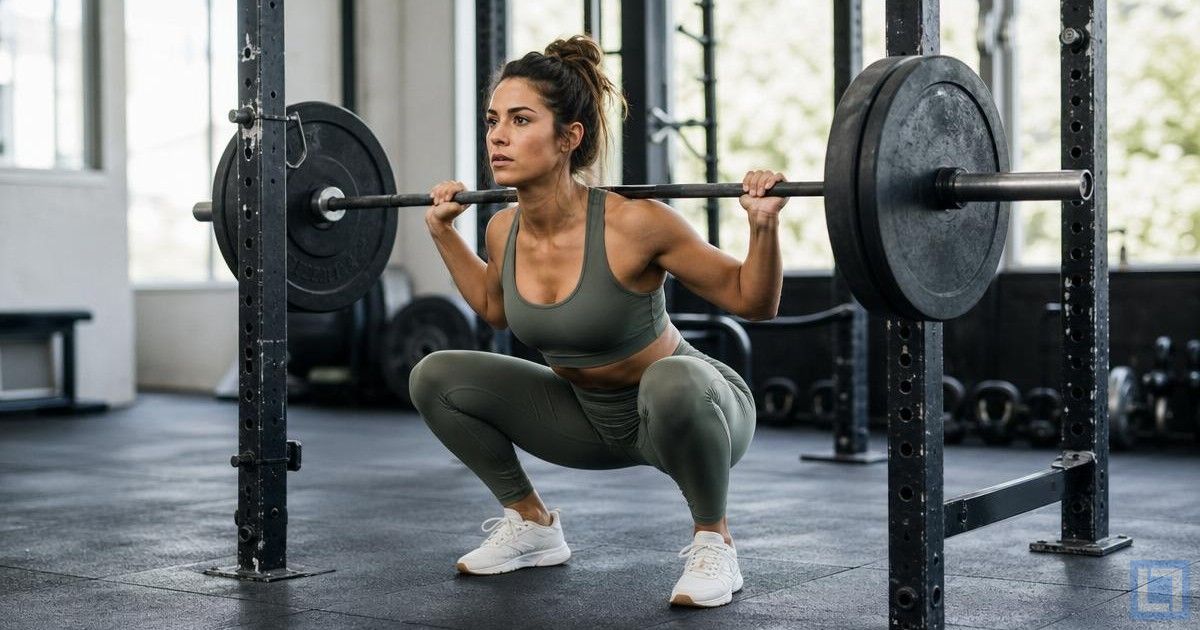
The Barbell Sumo Squat performs the sumo stance squat with a barbell held across the upper back. The bilateral barbell loading allows significantly heavier loads than dumbbell variations and produces the strongest inner quad strength stimulus available.
For maximum inner quad strength development, the barbell sumo squat is one of the most effective exercises that exists. The combination of wide stance, heavy loading capability, and bilateral barbell pattern produces stronger inner thigh strength than any other variation. Run it for 4 to 5 sets of 5 to 8 reps as the primary inner quad strength exercise.
Set up under a barbell on a squat rack with the bar across the upper back. Step back to clear the rack. Take a wide stance with toes pointed out. Squat down by sitting the hips back while bending the knees, keeping the chest tall. Drop to roughly parallel depth. Drive back to standing through the whole foot.
Dumbbell Goblet Squat
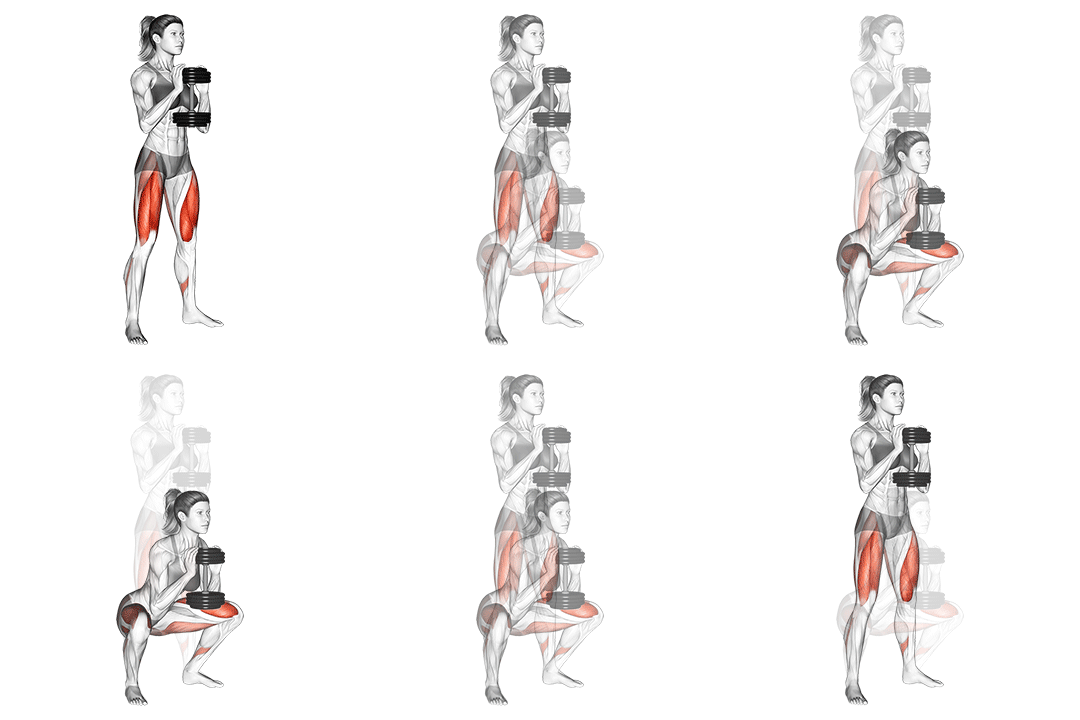
The Dumbbell Goblet Squat holds a single dumbbell at chest level with both hands cupping the top end and squats down. While performed at standard width, the front-loaded position promotes good squat mechanics and the variation allows wider stance modifications that target the inner quads.
The goblet squat is one of the most underrated foundational exercises in any leg program. The front-loaded position teaches proper squat mechanics, and lifters can take a slightly wider stance with toes pointed out for inner quad emphasis. Run it for 3 sets of 10 to 12 reps as accessory work or as the primary squat for beginners.
Hold a dumbbell vertically at chest level with both hands cupping the top end. Stand with feet shoulder-width or slightly wider, toes pointed slightly out. Squat down by sitting the hips back while bending the knees, keeping the dumbbell at chest level. Drive back to standing.
Cossack Squats
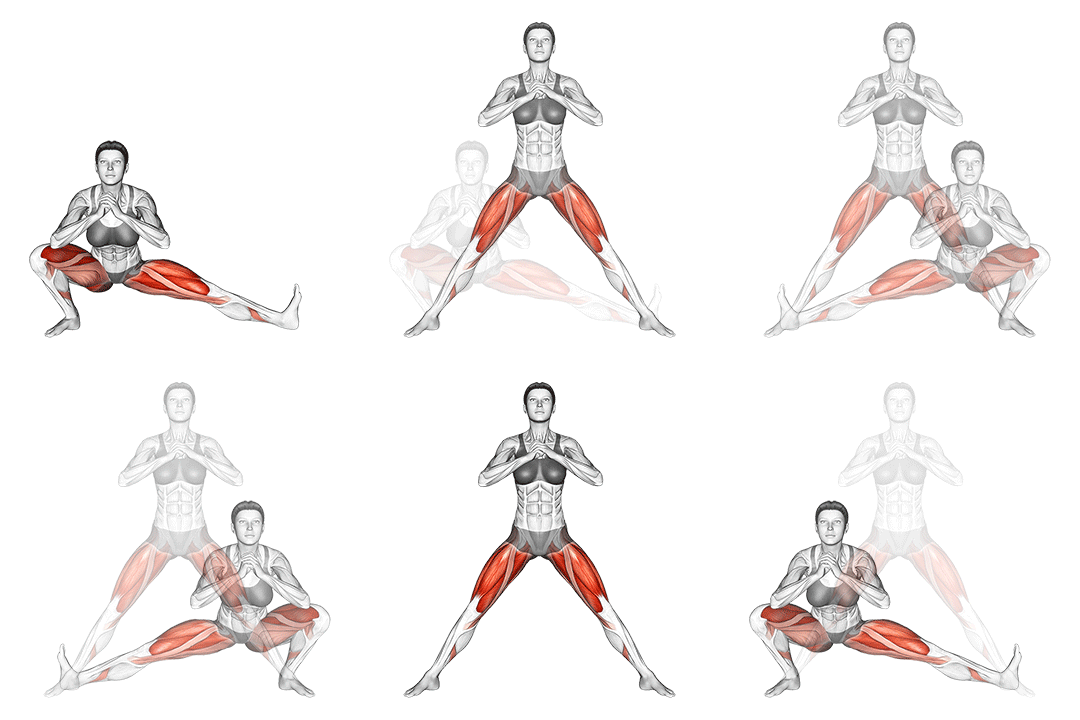
The Cossack Squats take a wide stance and squat to one side at a time, keeping the opposite leg fully extended. The lateral squatting motion produces extreme adductor and inner quad stretching alongside unilateral loading.
For inner quad and adductor development, Cossack squats are one of the most effective bodyweight exercises that exists. The lateral motion combined with the unilateral loading produces stronger inner thigh development per rep than bilateral squat variations. Run it for 3 sets of 8 to 10 reps per side. The exercise also produces excellent hip mobility benefits.
Stand with feet very wide apart. Shift weight to one side by bending that knee while extending the opposite leg straight out, foot pointing up. Lower the bent-leg side as deep as possible while keeping the extended leg straight. Drive back to the start by extending the bent leg. Switch sides on each rep or set.
Dumbbell Cossack Squats

The Dumbbell Cossack Squats perform the Cossack squat pattern while holding a dumbbell at chest level for added loading. The added weight progresses the bodyweight Cossack squat for continued strength gains.
For lifters who have mastered bodyweight Cossack squats, adding dumbbell loading produces stronger continued progression. The pattern combines inner quad strength with extreme range of motion, which produces broader athletic development than narrow-stance squats. Run it for 3 sets of 6 to 8 reps per side with moderate weight.
Hold a dumbbell at chest level with both hands cupping the top end. Stand with feet very wide apart. Shift weight to one side by bending that knee while extending the opposite leg straight out. Lower as deep as possible. Drive back to the start. Switch sides.
Side Lunge
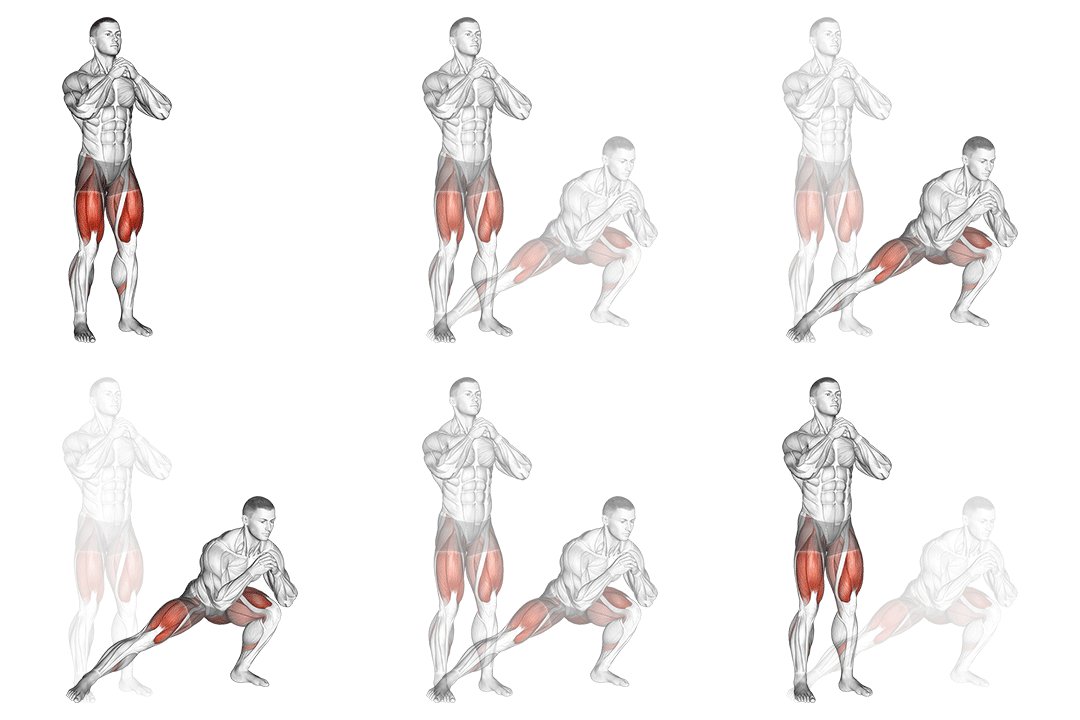
The Side Lunge starts in a standing position and steps wide to one side, dropping into a lateral lunge with one knee bent and the opposite leg extended straight. The lateral pattern hits the inner thighs and adductors directly through the wide-stance loading.
Side lunges (also called lateral lunges) are one of the most direct inner thigh exercises that exists. The lateral pattern works the adductors and inner quads through their primary function, which is to control hip adduction and decelerate lateral motion. Run it for 3 sets of 8 to 10 reps per side as primary inner quad work.
Stand with feet hip-width apart. Step out wide to one side with one foot, dropping into a lateral lunge by bending that knee while keeping the opposite leg extended straight. Push back to standing by driving through the bent-leg foot. Alternate sides or complete all reps on one side before switching.
Barbell Lateral Lunge
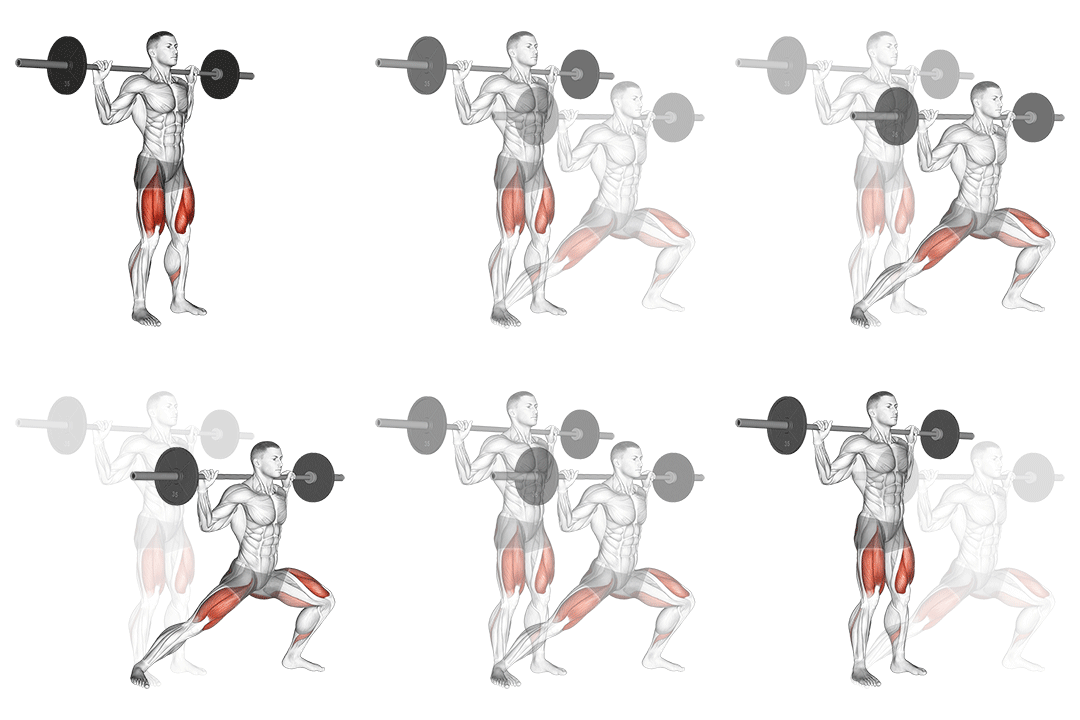
The Barbell Lateral Lunge performs the lateral lunge with a barbell held across the upper back. The bilateral barbell loading allows heavier loading than dumbbell variations and produces the strongest inner thigh strength stimulus in any lateral exercise.
For maximum inner quad strength development through lateral motion, the barbell lateral lunge is one of the most effective exercises that exists. The combination of lateral loading and barbell weight allows progressive overload that bodyweight or dumbbell variations cap out on. Run it for 3 to 4 sets of 6 to 8 reps per side.
Set up under a barbell on a squat rack with the bar across the upper back. Step back to clear the rack. Step out wide to one side, dropping into a lateral lunge by bending that knee while keeping the opposite leg extended. Push back to standing. Switch sides.
Dumbbell Lateral Lunge

The Dumbbell Lateral Lunge performs the lateral lunge while holding dumbbells at the sides or at the chest. The added load progresses bodyweight lateral lunges for continued strength gains.
For loaded lateral lunge training without a barbell, the dumbbell version is the most accessible option. The dumbbells allow precise weight selection and the unilateral loading catches strength imbalances. Run it for 3 sets of 8 to 10 reps per side as primary or secondary inner quad work.
Hold dumbbells at the sides with arms extended (or at the chest with both hands). Step out wide to one side, dropping into a lateral lunge by bending that knee while keeping the opposite leg extended straight. Push back to standing through the bent-leg foot. Switch sides.
Dumbbell Bulgarian Split Squat
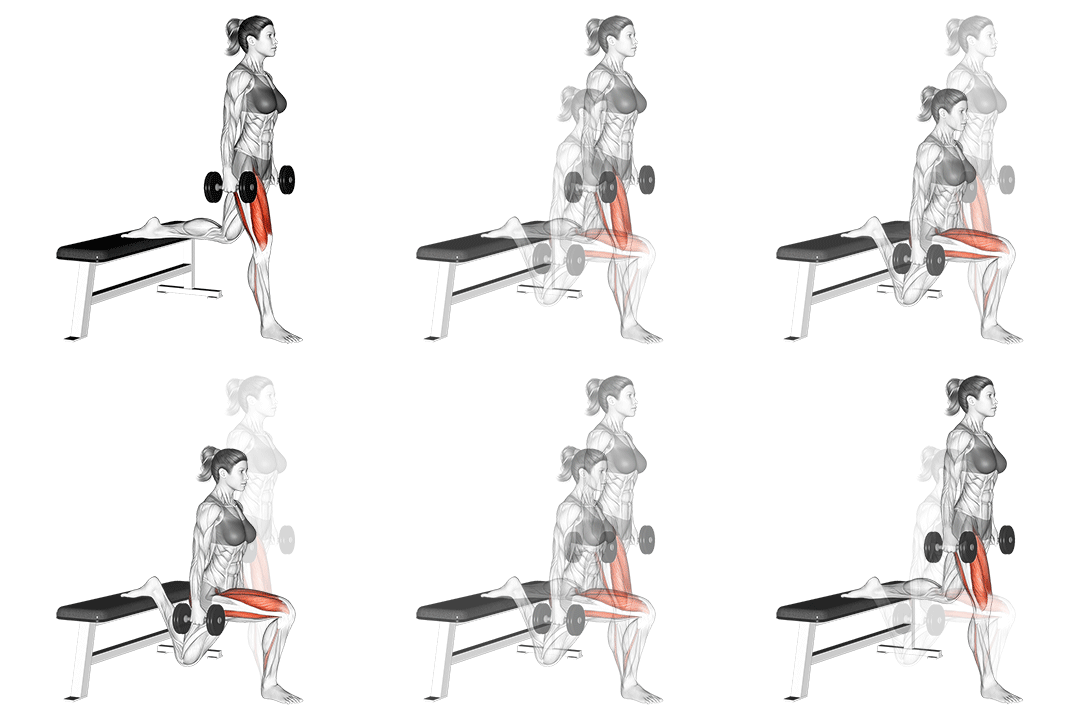
The Dumbbell Bulgarian Split Squat sets up in a split stance with the back foot elevated on a bench and lowers into a deep lunge while holding dumbbells. While primarily a quad and glute exercise, the deep position hits the adductors and inner quads through the stretched bottom position.
For complete inner quad development that includes unilateral training, Bulgarian split squats produce strong adductor and inner quad loading through the deep lunge position. The unilateral pattern also catches strength imbalances and produces functional carryover to athletic movements. Run it for 3 sets of 8 to 10 reps per leg.
Stand 2 to 3 feet in front of a bench. Place the top of one foot on the bench behind. Hold dumbbells at the sides. Lower the back knee toward the floor by bending the front knee, keeping the chest tall. Drive back to standing through the front foot. Complete all reps on one leg before switching.
How To Program These Workouts
A productive inner quad session pulls five to seven exercises from the list above. A balanced session includes one heavy primary squat (barbell or dumbbell sumo squat), one bodyweight foundational exercise (sumo squat or Cossack squat), one lateral exercise (side lunge or lateral lunge), and one accessory exercise (Bulgarian split squat or goblet squat). Run primary loaded work for 3 to 4 sets of 6 to 10 reps; bodyweight work for 3 sets of 10 to 15 reps; lateral work for 3 sets of 8 to 10 reps per side.
Train inner quads 1 to 2 times per week as part of broader leg training. The inner quads recover within 48 to 72 hours of moderate training, but they get significant indirect work from any squatting or lunging exercise, which means dedicated inner quad work compounds with regular leg training. Most well-designed leg programs include 1 to 2 inner-quad-focused exercises per session alongside primary squats and deadlifts.
For broader leg programming, see our best dumbbell leg workouts and best lower body dumbbell workouts. For mobility work, see our best quad stretches.
Final Thoughts
The best inner quad workouts produce visible inner thigh development through wide-stance squatting and lateral movement patterns that standard squats cannot match. The combination of sumo squats, Cossack squats, lateral lunges, and progressive loading covers every major inner quad and adductor function. For lifters who want balanced lower-body development that includes the inner thighs alongside outer quads and glutes, dedicated inner quad training is one of the most effective options available.
Stay focused on hip mobility alongside strength work. The most common inner quad training mistake is forcing the wide stance and deep range of motion before the hips have developed the mobility to handle them, which produces compensation patterns and limits both performance and progression. The fix: include hip mobility work (deep squat holds, butterfly stretches, frog stretches) before every inner quad session. The mobility investment produces stronger long-term progression than skipping the work for more squat volume.
Frequently Asked Questions
How do I target my inner quads specifically?
Wide-stance squats (sumo squats) and lateral movement patterns (Cossack squats, lateral lunges) load the inner quads and adductors more heavily than standard shoulder-width squats. The wider the stance and the more lateral the motion, the more inner thigh emphasis. Standard squats and lunges build the entire quad and glute complex but produce minimal inner-thigh-specific stimulus.
Are sumo squats better than regular squats?
Different exercises serve different purposes. Standard shoulder-width squats build the entire quad complex and glutes through vertical motion; sumo squats emphasize the inner quads and adductors through wide-stance motion. Most well-designed leg programs include both: standard squats as the primary heavy compound and sumo squats as the inner-thigh-specific accessory. Replacing one with the other produces incomplete development.
How often should I train inner quads?
1 to 2 times per week works for most lifters as part of broader leg training. The inner quads recover within 48 to 72 hours of moderate training, and they get significant indirect work from any squatting or lunging exercise. Most successful programs include 4 to 8 weekly sets of inner-quad-focused work split across the leg training sessions.
Will inner quad workouts make my thighs bigger?
Yes, particularly the inner thigh region. Inner quad training produces visible inner thigh development that standard squats produce less efficiently. Most lifters who add dedicated inner quad work see measurable inner-thigh changes within 12 to 16 weeks. Combined with regular squat training, the result is fuller, more balanced thigh development from every visual angle.
Why do my hips feel tight during sumo squats?
The wide stance position requires significant hip mobility that most desk-job lifters lack initially. The fix: include hip mobility work (deep squat holds, butterfly stretches, frog stretches) for 5 to 10 minutes before every inner quad session. Most lifters can dramatically improve hip mobility within 4 to 8 weeks of consistent mobility work, which then unlocks deeper sumo squat range of motion and stronger inner thigh loading.