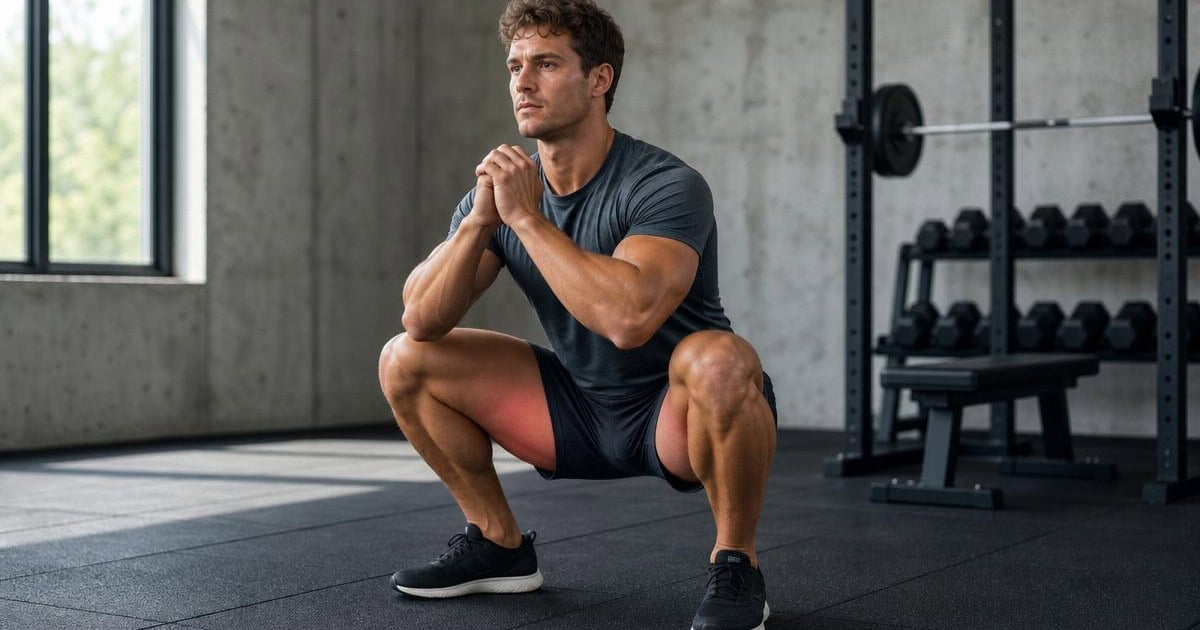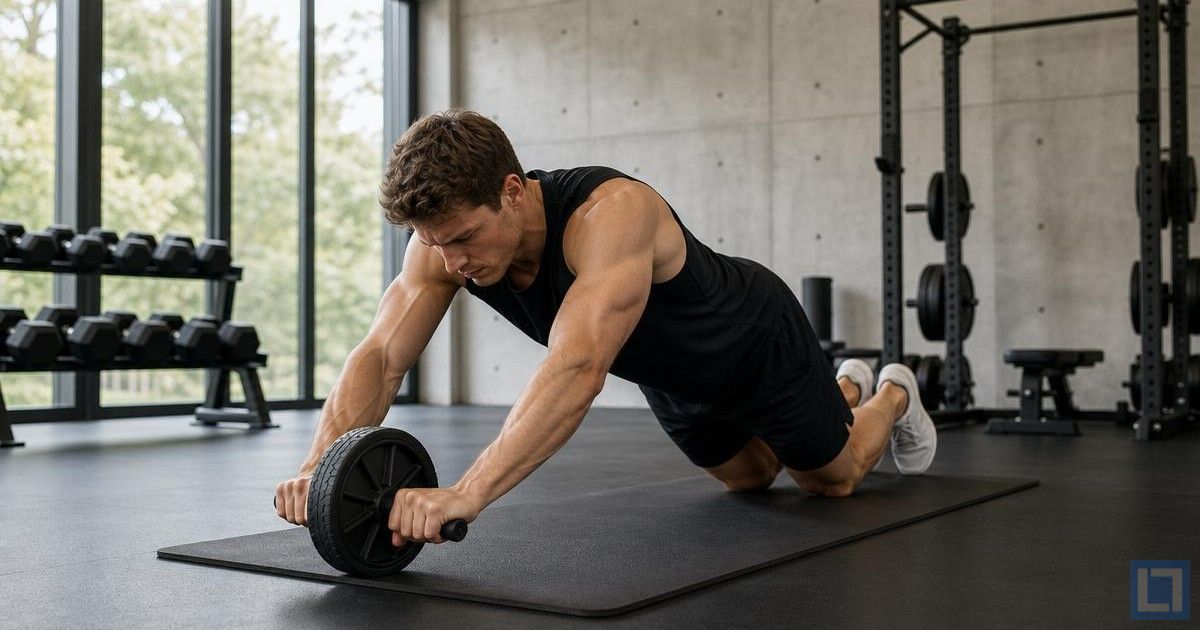
The ab wheel is one of the most effective single pieces of core training equipment that exists. The combination of anti-extension demand, shoulder loading, and full-body stability work produces ab stimulus that few other exercises can match per rep. The visible difference between trained and untrained ab wheel users is significant; lifters who can perform 10+ strict standing rollouts typically have visibly stronger and more developed core musculature than those who cannot, and the strength carryover to compound lifts (deadlifts, squats, overhead pressing) is substantial.
Below are ten effective ab wheel workouts that cover the foundational kneeling rollout, beginner progressions (wall-supported variations), advanced variations (standing rollouts, barbell rollouts), and equipment alternatives (ring rollouts, suspension trainer rollouts). Together they form a complete progression from absolute beginner through advanced ab wheel training, with variations available for every strength level and equipment situation.
Wheel Rollout

The Wheel Rollout kneels on the floor with hands gripping an ab wheel positioned on the ground in front of the body, then rolls the wheel forward extending the body into a low plank-like position before pulling the wheel back to the start.
For ab wheel training, the standard kneeling rollout is the foundational exercise. The pattern produces strong anti-extension demand on the abs along with shoulder loading that bodyweight ab exercises cannot match. Build to 3 sets of 8 to 12 strict reps before progressing to harder variations like standing rollouts.
Kneel on the floor with the ab wheel positioned in front of the body, hands gripping the handles. Roll the wheel forward, extending the body toward the floor while keeping the arms straight. Roll only as far as you can return to the start position with strict form. Pull the wheel back to the start by contracting the abs.
Standing Wheel Rollout

The Standing Wheel Rollout starts in a standing position with the ab wheel held overhead and rolls the wheel forward by hinging at the hips and lowering the body toward the floor. The standing version is the most demanding ab wheel variation that exists.
Standing rollouts are one of the most demanding bodyweight ab exercises that exists. The combination of hip-hinge motion, anti-extension demand, and full-body loading produces ab stimulus that few other exercises can match. Most lifters need 12 to 24 months of progressive ab wheel training before standing rollouts become feasible.
Stand tall with the ab wheel held overhead with both hands gripping the handles. Hinge at the hips while rolling the wheel forward, lowering the body until the chest is roughly parallel to the floor. Pause briefly. Pull the wheel back to the starting position by engaging the abs and reversing the hip hinge.
Wheel Rollout with Wall Support

The Wheel Rollout with Wall Support performs the rollout with feet placed against a wall behind the body, providing stability during the descent. The wall support reduces the difficulty compared to standard rollouts while preserving most of the ab stimulus.
For lifters who cannot yet do strict standard rollouts, the wall-supported version is the appropriate progression. The wall provides feedback that helps maintain proper position throughout the rollout, and the reduced demand allows beginners to build the foundational strength before progressing to standard kneeling rollouts. Run it for 3 sets of 8 to 10 reps.
Kneel facing away from a wall with feet pressed lightly against the wall behind the body. Hold the ab wheel in front of the body with hands on the handles. Roll the wheel forward into the rollout position, using the wall support for stability. Pull back to the start.
Ab Roller Crunch
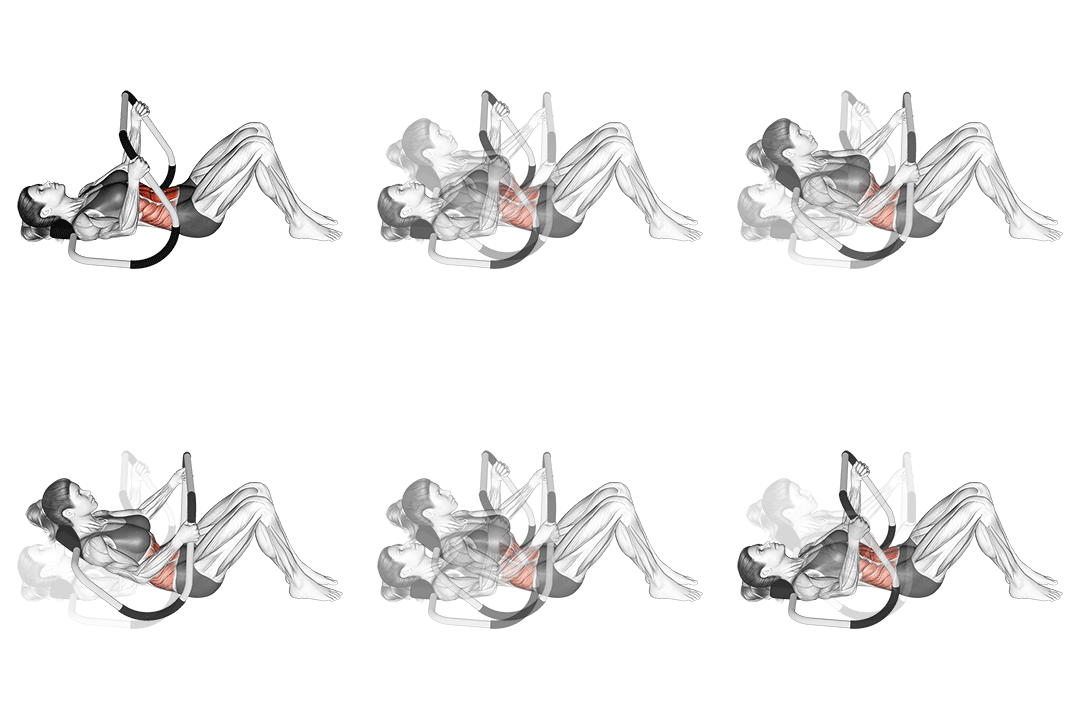
The Ab Roller Crunch sits with the ab wheel handles gripped at the chest and performs a crunch motion using the wheel as a stabilization tool. The crunch motion combined with the wheel handle position produces stronger ab activation than bodyweight crunches.
For lifters who own an ab wheel but find rollouts too demanding initially, ab roller crunches produce real ab stimulus while building the upper body strength that rollouts demand. The pattern fits naturally as a stepping-stone exercise during the early weeks of ab wheel training. Run it for 3 sets of 12 to 15 reps.
Sit on the floor with knees bent and feet planted. Hold the ab wheel handles at chest level with both hands. Lie back partially while keeping the wheel at the chest, then sit up and slightly forward by contracting the abs. Lower under control. The wheel does not roll during this exercise; it serves as a handle for the crunch.
Barbell Rollout

The Barbell Rollout uses a loaded barbell as the rollout tool, kneeling with hands gripping the bar and rolling it forward in the same pattern as a standard ab wheel rollout. The barbell version allows progressive load increases by adding plates.
For lifters who have mastered bodyweight ab wheel rollouts and want continued progression, the barbell rollout adds external loading that allows ongoing strength gains. Adding plates progressively (start with empty barbell) produces the kind of progressive overload that bodyweight rollouts cap out on. Run it for 3 sets of 6 to 10 reps.
Kneel on the floor with a barbell positioned on the ground in front of the body, hands gripping the bar with shoulder-width grip. Roll the barbell forward, extending the body toward the floor while keeping the arms straight. Roll only as far as you can return to the start position with strict form. Pull the bar back to the start.
Ring Rollout

The Ring Rollout uses gymnastic rings or a suspension trainer to perform the rollout pattern, with hands gripping the handles and rolling forward into a plank-like position. The unstable rings increase the stability demand throughout the rep.
For lifters with rings or a suspension trainer, the ring rollout produces unique loading that few other ab exercises match. The unstable handles force continuous shoulder and core engagement, which produces stronger total upper-body demand per rep than fixed-handle variations. Run it for 3 sets of 8 to 12 reps.
Set up rings or a suspension trainer at appropriate height. Kneel facing the rings and grip the handles. Roll the hands forward by extending the body toward the floor. Pull back to the start position. Adjust the angle by moving feet closer or further from the ring anchor to scale difficulty.
Band Assisted Wheel Rollout

The Band Assisted Wheel Rollout performs a standard wheel rollout with a resistance band anchored overhead and looped around the body to provide assistance during the return phase. The band helps the lifter pull the wheel back to the start.
For lifters working toward strict standard rollouts but not yet strong enough, the band-assisted variation provides the assistance needed to perform full-range reps. The band tension helps during the hardest part of the exercise (pulling the body back from the extended position) while still loading the abs through the rollout phase. Run it for 3 sets of 8 to 12 reps.
Anchor a resistance band overhead. Loop the band around the chest or hips. Kneel with the ab wheel in front of the body. Roll the wheel forward into the rollout position. Pull back to the start, using the band tension to assist the return phase. Reduce band tension as strength builds.
Barbell Standing Ab Rollout

The Barbell Standing Ab Rollout starts standing with a barbell on the floor and rolls the bar forward and back in the rollout pattern from a standing position rather than kneeling. The standing position adds extreme difficulty compared to kneeling barbell rollouts.
Standing barbell rollouts are one of the most demanding ab exercises in any program. The combination of standing position, barbell loading capability, and full-range rollout motion produces stimulus that few other ab exercises match. Most lifters need years of progressive ab wheel training before standing barbell rollouts become feasible.
Stand with a barbell on the floor in front of the feet. Hinge over and grip the bar with shoulder-width grip. Roll the bar forward by hinging at the hips while extending the body toward the floor. Pull back to the standing position by reversing the hip hinge and engaging the abs hard.
Suspender Rollout

The Suspender Rollout uses a suspension trainer (TRX or similar) to perform a rollout motion. The suspension straps act as the rollout tool, with hands gripping the handles and the body rolling forward into the extended position.
For at-home or travel scenarios where a suspension trainer is more accessible than an ab wheel, the suspender rollout produces nearly identical training stimulus. The suspension format also allows easier scaling by adjusting the body angle, which makes it useful for a wider range of strength levels. Run it for 3 sets of 8 to 12 reps.
Set up a suspension trainer at appropriate height. Stand or kneel facing away from the anchor with hands in the handles, arms extended forward. Roll the hands forward and overhead while the body falls toward the floor in a straight line. Pull back to the starting position by engaging the abs and pulling the hands back to the chest area.
Suspension Trainer Oblique Rollout

The Suspender Oblique Rollout performs a rollout to one side rather than straight ahead, hitting the obliques heavily through the diagonal motion. The asymmetric pattern produces stronger oblique loading than standard straight-ahead rollouts.
For lifters who have mastered standard rollouts and want to add oblique-focused variation, the oblique rollout produces unique stimulus that hits the lateral core in a way few exercises match. The diagonal motion combines anti-extension with rotational demand, which produces broader core development per rep. Run it for 3 sets of 6 to 8 reps per side.
Set up a suspension trainer at appropriate height. Kneel facing away from the anchor with hands in the handles. Roll the hands forward and to one side rather than straight ahead, allowing the body to twist slightly toward that side. Pull back to the start. Switch sides on each set or alternate.
How To Program These Workouts
A productive ab wheel session pulls four to six exercises from the list above based on current strength level. Beginners should start with wall-supported rollouts, ab roller crunches, and band-assisted rollouts. Intermediates can add standard kneeling rollouts. Advanced lifters can include standing rollouts, barbell rollouts, and oblique variations. Run primary rollouts for 3 to 4 sets of 6 to 12 reps; assistance work for 3 sets of 10 to 15 reps; isometric holds for 30 to 45 seconds.
Train ab wheel two to three times per week. The combination of ab loading and shoulder loading demands appropriate recovery; daily ab wheel training often produces shoulder fatigue that limits other training. Most successful programs run two to three ab wheel sessions per week with rest days between, alongside regular strength training that uses the developed core stability for compound lifts.
For broader ab programming, see our best ab roller workouts and best dead bug ab workouts. For different ab training approaches, see our best standing ab workouts.
Final Thoughts
The best ab wheel workouts deliver elite core training through progressive variations from beginner-friendly wall-supported rollouts to advanced standing barbell rollouts. The combination of anti-extension demand, shoulder loading, and full-body stability work produces ab stimulus and visible core development that few other single pieces of equipment can match. For lifters who want stronger, more functional core training that translates to better performance on every compound lift, ab wheel training is one of the most effective options available.
Stay focused on strict form and gradual progression. The most common ab wheel training mistake is attempting standard rollouts before the core has developed sufficient strength to control the motion, which produces lower-back arching and form breakdown. The fix: start with wall-supported rollouts or band-assisted variations and build to strict kneeling rollouts before attempting standing variations. Lifters who progress patiently produce stronger long-term results than those who jump to advanced variations before the strength catches up.
Frequently Asked Questions
How many ab wheel rollouts should I be able to do?
Beginners: 5 to 8 wall-supported or band-assisted rollouts. Intermediates: 8 to 12 strict kneeling rollouts. Advanced: 5 to 10 strict standing rollouts. Most lifters need 6 to 12 months of consistent ab wheel training to progress from beginner-level wall-supported rollouts to strict kneeling rollouts. Standing rollouts typically take another 12 to 24 months of additional training.
How often should I use the ab wheel?
Two to three times per week works for most lifters. The combination of ab loading and shoulder loading demands appropriate recovery; daily training often produces shoulder fatigue that limits other training. Most successful programs run ab wheel sessions every 2 to 3 days with rest periods between.
Will the ab wheel give me abs?
Ab wheel training builds the muscle that gives the stomach its shape; reducing body fat through nutrition reveals that shape. Both are required for visible abs. Most lifters need to be at 12 to 18 percent body fat for abs to show clearly. The ab wheel handles the muscle-building side; sustainable nutrition handles the body fat side. Consistent training combined with appropriate calorie management produces visible results.
Are ab wheel rollouts dangerous for the lower back?
Not when performed with strict form. The most common ab wheel injury comes from form breakdown (lower-back arching during the extended position), which puts excessive stress on the lumbar spine. The fix: stay with appropriate progressions until the core can handle the loading. Wall-supported and band-assisted variations build the strength needed for strict standard rollouts. Lifters who progress patiently rarely experience back issues; lifters who jump to advanced variations too early often do.
Can I do ab wheel rollouts every day?
Not recommended for ongoing training. Daily ab wheel training often produces shoulder soreness, lower-back fatigue, and form degradation within a few weeks. Most lifters do better with 2 to 3 sessions per week. Daily training can work for short periods (30-day challenges) but typically produces burnout and overuse issues if continued for months.