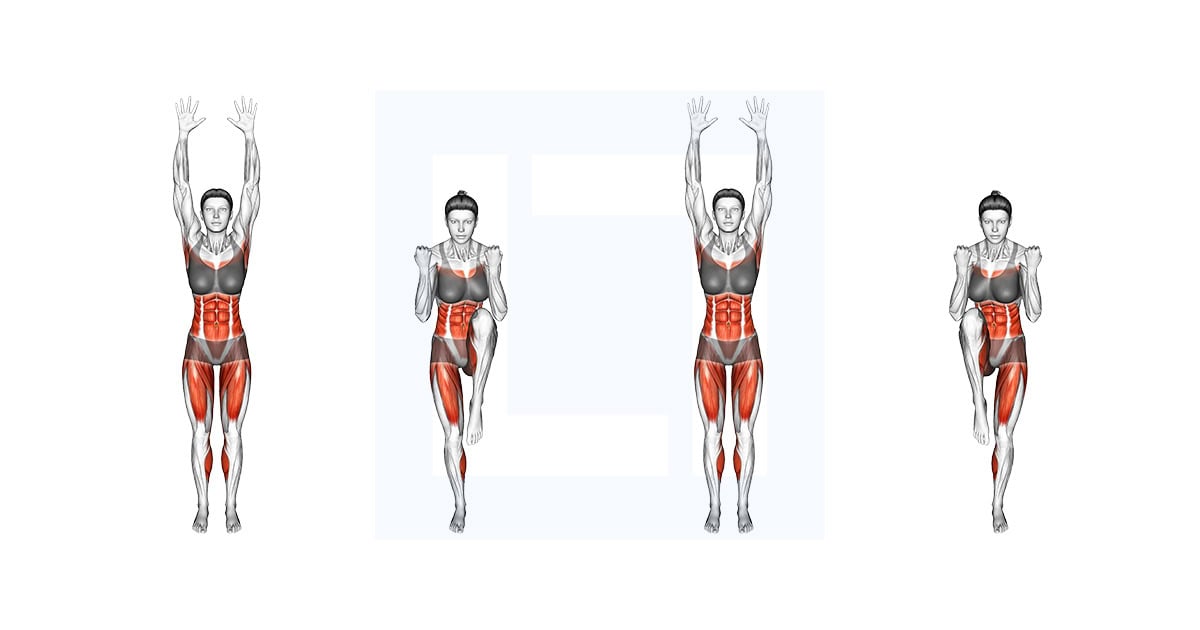
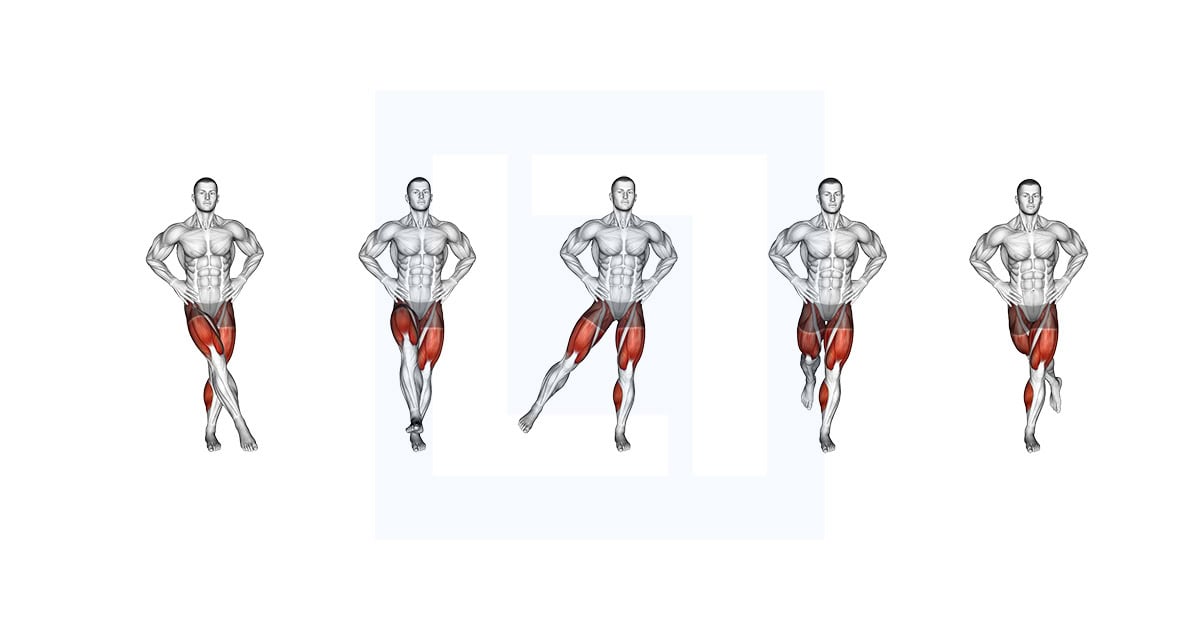
Walking

Description
Walking is the most accessible cardiovascular exercise — low-impact, free, and effective for people of all fitness levels. Daily brisk walking improves cardiovascular health, supports weight management, and builds basic endurance. It is also one of the best forms of recovery between intense training sessions.
Muscle Group
Equipment Required
Walking Instructions
- Stand tall with chest up, shoulders back, and core gently engaged.
- Step forward by lifting one leg and placing the heel down first, then rolling through to push off with the toes.
- Swing your arms naturally in opposition to your legs.
- Breathe deeply and rhythmically.
- Start at a comfortable pace and gradually increase to a brisk pace where you can still hold a conversation but cannot sing.
- Aim for 30 to 60 minutes per session, 5 to 7 days per week.
- For weight loss, add an incline (treadmill or hills) or carry weight (rucking).
- Track steps with a phone or watch — 7,000 to 10,000 daily steps is a strong target.
Walking Form & Visual

Walking Benefits
- Improves cardiovascular health
- Supports weight management with consistent practice
- Low impact — gentle on joints
- Excellent active recovery between hard sessions
- Free and accessible — no equipment required
- Improves mental health and reduces stress
Walking Muscles Worked
- Quadriceps
- Calves
- Gluteus maximus and medius
- Hamstrings
- Hip flexors
- Core (postural stabilizer)
Walking Variations & Alternatives
- Walking on Treadmill
- Walking on Incline Treadmill
- Rucking (walking with weighted pack)
- Power Walking (faster pace, exaggerated arm swing)
- Hill Walking
- Nordic Walking (with poles)