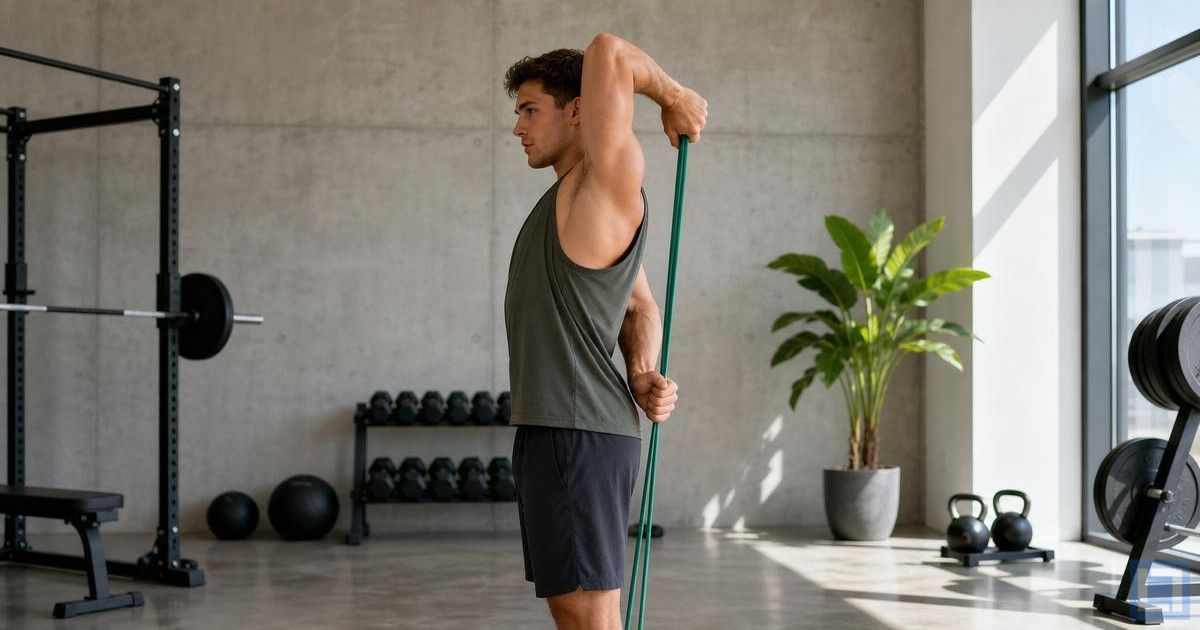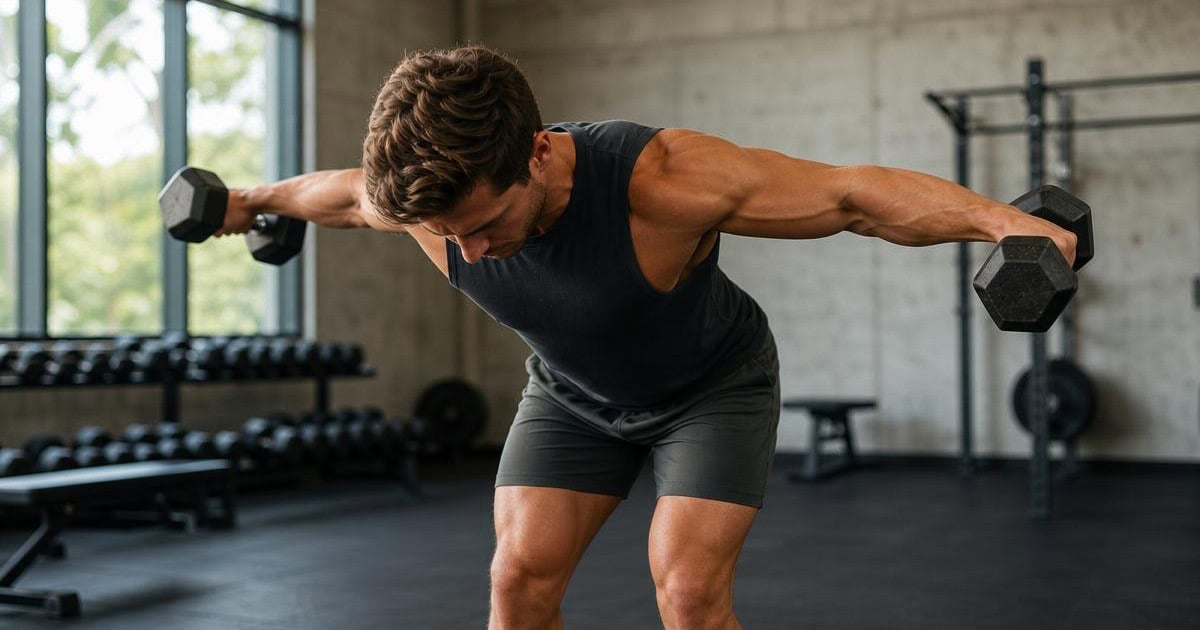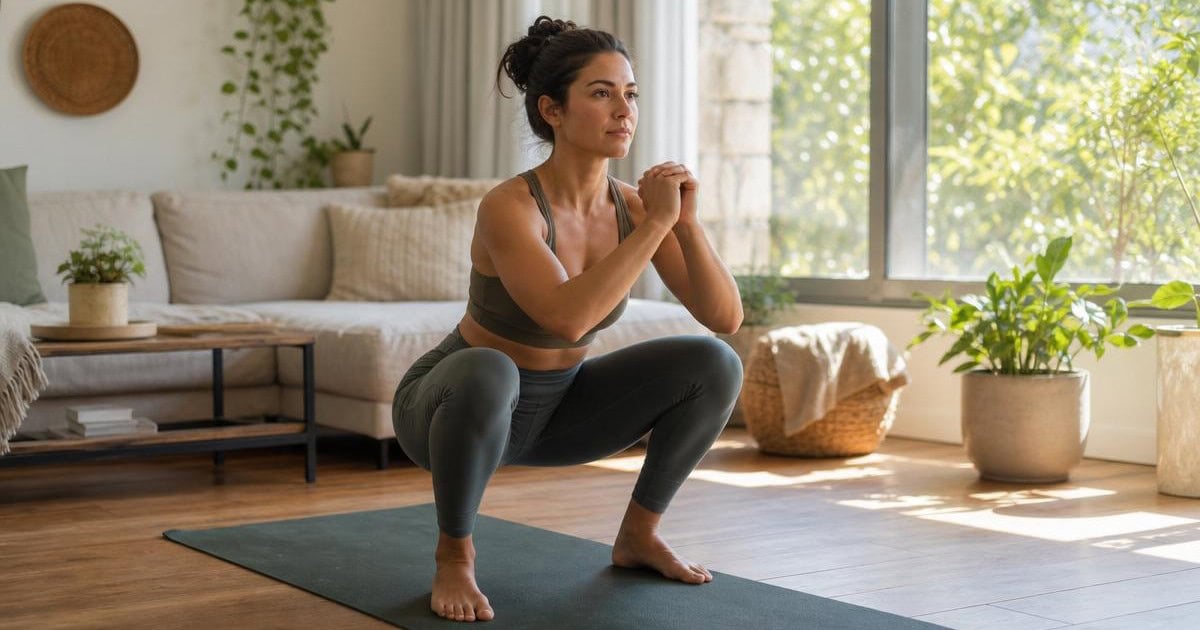
Postpartum-focused exercise can support overall postpartum recovery, posture restoration, fitness rebuilding, and the physical capacity needed for newborn care. However, exercise during the postpartum period involves substantial individual variation – what’s appropriate depends heavily on personal postpartum circumstances (vaginal vs cesarean delivery, complications, individual recovery rate, prior fitness level), healthcare provider guidance and clearance, postpartum stage (early postpartum vs months postpartum), and individual symptoms (diastasis recti, pelvic floor dysfunction, prolapse, pain). The information here is general fitness information, not medical advice. Always consult your healthcare provider before starting or resuming any exercise routine postpartum. Healthcare providers typically recommend a minimum 6-week wait postpartum (longer for cesarean recovery or complications) before resuming exercise, with clearance required at the postpartum check. Many women benefit from working with a postpartum-trained physical therapist for personalized return-to-exercise guidance, particularly if experiencing diastasis recti, pelvic floor issues, or pain. Postpartum considerations include: typical timeline (most healthcare providers clear gentle exercise around 6 weeks postpartum, longer for cesarean), diastasis recti (abdominal muscle separation common during pregnancy that may persist postpartum and affects appropriate core training), pelvic floor function (vaginal delivery and pregnancy can affect pelvic floor function, requiring specific consideration during return-to-exercise), gradual progression (postpartum bodies are different from pre-pregnancy bodies and require gradual return-to-exercise), and stopping any exercise that causes pain, leakage, prolapse symptoms, or other concerning symptoms.
Below are ten exercises that may support postpartum fitness when performed with appropriate timing, modifications, and per healthcare provider guidance, covering gentle hip flexor mobility (kneeling hip flexor stretch), gentle relaxation (child pose), spinal mobility (cat-cow stretch), gentle glute strengthening (modified glute bridge – typically starting with bodyweight), modified core stability (front plank with appropriate progression and consideration of diastasis recti), unilateral leg work (bodyweight single-leg deadlift), gentle leg strengthening (modified walking lunges), and upper-body strengthening for newborn care demands (dumbbell biceps curl, dumbbell seated shoulder press, dumbbell bent-over row). Together they form a complete postpartum-supportive program when performed with appropriate timing and modifications. A 20 to 30-minute session pulled from this list, performed 2 to 4 times per week per healthcare provider guidance after clearance, may support postpartum recovery, posture restoration, and rebuilding the strength capacity needed for newborn care.
Kneeling Hip Flexor Stretch
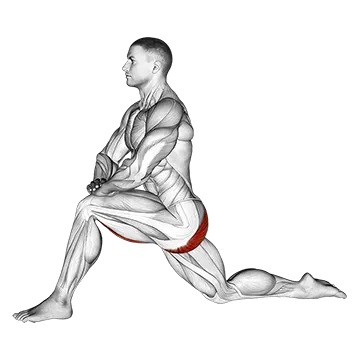
The Kneeling Hip Flexor Stretch performs hip flexor stretching. The pattern may support postpartum mobility.
The kneeling hip flexor stretch may support postpartum mobility through gentle hip flexor stretching. Run it for 2 to 3 sets of 30-second holds per side, daily as gentle mobility work after healthcare provider clearance to resume exercise.
Kneel on one knee with the other foot planted in front (about hip-width apart). Tuck the pelvis slightly and lean gently forward into the front leg, feeling gentle stretch through the front hip on the kneeling leg side. Hold for 30 seconds. Switch sides. The pattern produces gentle hip flexor stretching – hip flexor tightness is common postpartum from carrying the baby and modified posture during pregnancy. Gentle stretching may support postpartum mobility recovery, though individual circumstances vary substantially. Always consult your healthcare provider before starting or resuming any exercise routine postpartum, and follow their guidance on appropriate return-to-exercise timing (typically minimum 6 weeks postpartum but individual circumstances vary).
Child Pose

The Child Pose performs the child pose stretch. The pattern produces gentle full-body relaxation.
The child pose may support postpartum recovery through gentle relaxation and stretching. Run it for 2 to 3 sets of 60-second holds, daily after healthcare provider clearance.
Kneel on the floor with knees wide and big toes touching. Sit back on the heels and reach the arms forward extending the spine. Allow the chest to lower toward the floor between the thighs. Allow the head to relax. Hold for 60 seconds. The pattern produces gentle relaxation and full-body stretch – excellent for postpartum recovery because the position relaxes the lower back, stretches the lats and shoulders, and provides gentle recovery during the demanding postpartum period. Always consult your healthcare provider before starting or resuming any exercise routine postpartum.
Cat Cow Stretch

The Cat Cow Stretch performs cat-cow spinal mobility. The pattern produces gentle spinal mobility.
The cat-cow stretch may support postpartum spinal mobility through gentle movement. Run it for 2 to 3 sets of 8 to 10 reps as gentle mobility work, daily after healthcare provider clearance.
Position on hands and knees with hands under shoulders and knees under hips. Inhale and gently arch the back, lifting the head and tailbone (cow position). Exhale and gently round the back, tucking the chin to chest and tailbone under (cat position). Continue alternating slowly. The pattern produces gentle spinal mobility – back tightness is common postpartum from pregnancy postural changes and the demands of caring for a newborn. Gentle cat-cow may support spinal mobility recovery. The hands-and-knees position is generally well-tolerated postpartum but always consult your healthcare provider for personalized guidance.
Barbell Glute Bridge
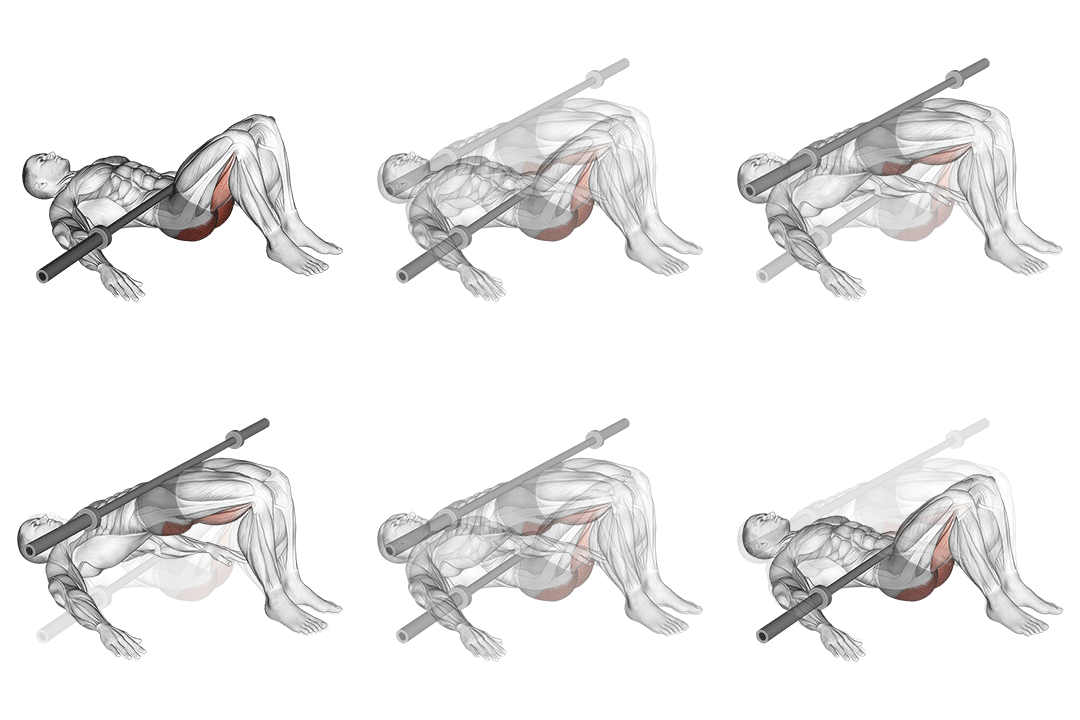
The Barbell Glute Bridge performs glute bridges. The pattern produces glute strengthening – typically modified to bodyweight initially postpartum.
The glute bridge may support postpartum glute strengthening – typically starting with bodyweight then progressing slowly per healthcare provider guidance. Run it for 2 to 3 sets of 10 to 15 reps as gentle glute work, 2 to 3 times per week after clearance.
Lie on the floor with knees bent and feet planted. For early postpartum return-to-exercise, typically start with bodyweight-only glute bridges before adding any external loading. Drive through the heels to lift the hips up by extending the hips. The body forms a straight line from shoulders to knees at the top. The glutes work hard. Squeeze at peak. Lower under control. The pattern produces glute strengthening – strong glutes may support postpartum posture, address the postural issues that develop during pregnancy and from carrying the baby. Always consult your healthcare provider for personalized return-to-exercise guidance, and progress loading gradually.
Front Plank
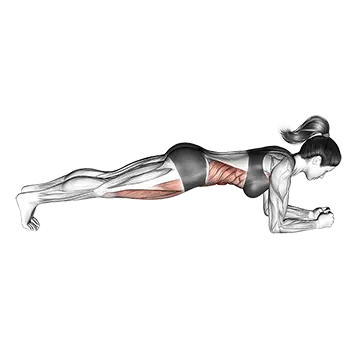
The Front Plank performs forearm plank holds. The pattern produces core stability – typically requires modification and gradual progression postpartum.
The plank may support postpartum core recovery but typically requires gradual progression starting with modifications. Run it per healthcare provider guidance, often starting with incline planks (hands on elevated surface) and progressing as core function returns.
Lie face-down on the floor (or on hands on elevated surface for early postpartum modification). Prop up on the forearms with elbows under the shoulders. Lift the hips so the body forms a straight line from shoulders to ankles. The core works hard isometrically. Hold for the working interval. Postpartum considerations: many women experience diastasis recti (separation of the abdominal muscles) during pregnancy that may continue postpartum – planks done with poor form can worsen diastasis recti. Modifications include incline planks, avoiding doming/coning of the abdomen during planks, and progressing intensity gradually. Consult your healthcare provider or a postpartum-trained physical therapist for personalized guidance on core training postpartum.
Bodyweight Single Leg Deadlift

The Bodyweight Single Leg Deadlift performs single-leg deadlifts. The pattern produces gentle balance and unilateral hip work.
The bodyweight single-leg deadlift may support postpartum strength and balance through gentle unilateral work. Run it for 2 to 3 sets of 6 to 10 reps per side after healthcare provider clearance and adequate balance return.
Stand on one leg with the other leg extended slightly behind. Hinge forward at the hip, lifting the back leg behind while lowering the torso forward. Keep the back flat. Reach the hands toward the floor. Drive back up to standing by extending the hip. Switch sides. The pattern produces unilateral hip and balance work – postpartum balance can take time to return to pre-pregnancy levels. Bodyweight single-leg work supports balance recovery and unilateral leg strength. Use a wall or chair for support if needed. Always consult your healthcare provider for personalized return-to-exercise guidance.
Dumbbell Walking Lunge

The Dumbbell Walking Lunge performs walking lunges. The pattern produces dynamic leg work – typically modified initially postpartum.
Walking lunges may support postpartum leg strengthening with appropriate modifications. Run it for 2 to 3 sets of 10 to 14 total steps with light or no dumbbells initially, progressing as appropriate per healthcare provider guidance.
Stand with feet hip-width holding light dumbbells or no weight (start with bodyweight postpartum and progress gradually). Step forward with one leg into a lunge position, lowering the back knee toward the floor. Drive through the front heel to stand up while bringing the rear leg forward into the next lunge step. Continue alternating. Postpartum considerations: balance may be reduced postpartum, so ensure stable footing. Consider stationary lunges if walking is unstable. Pelvic floor function should be considered – if you experience leakage or pelvic discomfort, modify the exercise and consult your healthcare provider. Always consult your healthcare provider for personalized guidance.
Dumbbell Biceps Curl

The Dumbbell Biceps Curl performs dumbbell biceps curls. The pattern produces gentle upper-body strengthening for postpartum needs.
The dumbbell biceps curl may support postpartum upper-body strengthening for the demands of newborn care. Run it for 2 to 3 sets of 10 to 12 reps with appropriate weights as gentle upper-body work, 2 to 3 times per week after clearance.
Stand with feet hip-width holding dumbbells in each hand at the sides with palms facing forward. Curl the dumbbells up by flexing at the elbows. The biceps work hard. Squeeze at peak. Lower under control. The pattern produces gentle upper-body strengthening – upper-body strength postpartum supports the demanding lifting and carrying associated with newborn care (carrying the baby, car seats, strollers). Strong biceps support these activities and prevent the overuse issues that develop with weak upper body postpartum. Always consult your healthcare provider for personalized exercise guidance.
Dumbbell Seated Shoulder Press

The Dumbbell Seated Shoulder Press performs seated dumbbell shoulder press. The pattern produces gentle shoulder work for postpartum needs.
The seated shoulder press may support postpartum upper-body strengthening for the demands of newborn care. Run it for 2 to 3 sets of 8 to 12 reps with appropriate weights, 2 to 3 times per week after clearance.
Sit on a bench with back support holding dumbbells at shoulder height with palms facing forward. Press the dumbbells straight overhead by extending the arms. Lower under control to shoulder height. The pattern produces gentle shoulder strengthening with seated stability – the seated position is well-tolerated postpartum as it eliminates balance concerns. Strong shoulders postpartum support the overhead activities of newborn care (lifting the baby, putting items in cribs/car seats) and the rounded shoulder posture that develops from carrying the baby. Always consult your healthcare provider for personalized exercise guidance.
Dumbbell Bent Over Row

The Dumbbell Bent Over Row performs dumbbell rows. The pattern produces gentle upper-body pulling for postpartum posture.
The dumbbell bent-over row may support postpartum posture through pulling work. Run it for 2 to 3 sets of 8 to 12 reps with appropriate weights, 2 to 3 times per week after clearance.
Stand with feet hip-width holding light dumbbells. Hinge forward at the hips with a flat back to a comfortable angle. Pull the dumbbells up to the lower chest by retracting the shoulder blades and pulling the elbows back. The lats, rhomboids, mid traps, and rear delts work hard. Squeeze the shoulder blades hard at peak. Lower under control. The pattern produces gentle upper-body pulling – addresses the rounded shoulder posture that develops from extended periods of holding/feeding the baby and the postural changes during pregnancy. Strong upper back muscles support proper postpartum posture. Always consult your healthcare provider for personalized return-to-exercise guidance.
How To Program These Workouts
A productive postpartum session pulls 5 to 7 exercises from the list above, performed with appropriate modifications and per healthcare provider guidance after clearance. A common gentle session: kneeling hip flexor stretch (gentle mobility), child pose (relaxation), cat-cow stretch (spinal mobility), modified glute bridge (gentle glute work), dumbbell biceps curl (light upper-body), dumbbell seated shoulder press (seated upper-body), dumbbell bent-over row (posture work). For early postpartum (after healthcare provider clearance, typically 6+ weeks postpartum): emphasize gentle mobility, modified core work considering diastasis recti, gradual return to upper-body strengthening for newborn care demands, and significant attention to pelvic floor function. For middle postpartum (3+ months postpartum): typically can progress to more substantial strength work per individual recovery and provider guidance. For later postpartum (6+ months postpartum): may approach pre-pregnancy training intensity per individual circumstances. Run gentle mobility for 2 to 3 sets of 30 to 60-second holds, gentle strength work for 2 to 3 sets of 8 to 15 reps with appropriate weights.
Train postpartum fitness 2 to 4 times per week per healthcare provider guidance after appropriate clearance. Most successful postpartum exercise programs include: 1) gentle daily mobility work (hip flexor stretches, cat-cow, child pose) often before formal exercise clearance per provider approval, 2) 2 to 3 weekly gentle strength sessions after clearance (modified per individual recovery and provider guidance), 3) regular gentle cardio per provider guidance (walking is typically the foundation), 4) attention to hydration, nutrition, sleep (particularly challenging postpartum), 5) stopping any exercise causing pain, leakage, prolapse symptoms, or other concerning symptoms, 6) gradual progression as recovery progresses, 7) ongoing communication with healthcare provider about exercise tolerance. Combined with proper postpartum nutrition, adequate sleep when possible, and stress management, appropriate postpartum exercise may support overall recovery and wellbeing. Individual circumstances vary substantially – healthcare provider guidance is essential.
For broader programming, see our best workouts for pregnancy and best workouts for women. For specific work, see our how to fix lower back pain.
Final Thoughts
Postpartum-supportive exercise can contribute to postpartum recovery, posture restoration, fitness rebuilding, and the physical capacity needed for newborn care when performed with appropriate timing, modifications, and per healthcare provider guidance. The combination of gentle hip flexor stretches, child pose, cat-cow, modified glute bridges, modified planks, single-leg deadlifts, modified walking lunges, light upper-body work, and posture-supporting exercises may support postpartum fitness when performed appropriately after healthcare provider clearance. However, the most important factors in postpartum exercise are individualization (what’s appropriate varies substantially based on personal postpartum circumstances) and appropriate timing (most healthcare providers recommend minimum 6 weeks postpartum before resuming exercise, longer for cesarean or complications). Postpartum is not the time for aggressive fitness goals – the focus is on supporting recovery and gradually rebuilding capacity. Many women benefit from working with a postpartum-trained physical therapist for personalized guidance, particularly if experiencing diastasis recti, pelvic floor issues, or pain. The general information here cannot replace personalized guidance from a qualified healthcare provider familiar with your individual postpartum circumstances.
Stay focused on healthcare provider guidance plus gradual progression as priorities for postpartum exercise. The most important factors in postpartum exercise are individualized guidance from a qualified healthcare provider and gradual progression respecting the body’s postpartum recovery process. Stop any exercise immediately and contact your healthcare provider if you experience pain, leakage (urine, stool, gas), pelvic heaviness or pressure (prolapse symptoms), abdominal doming/coning (potential diastasis recti progression), heavy bleeding, dizziness, or any concerning symptoms. Postpartum exercise should support overall recovery – if exercise feels harmful or causes concerning symptoms, the appropriate response is to stop and contact your healthcare provider. Many women benefit from working with a qualified postpartum physical therapist for personalized exercise guidance during the postpartum period – this professional support is particularly valuable for women experiencing diastasis recti, pelvic floor dysfunction, or pain. The combination of healthcare provider guidance plus gradual progression plus listening to your body produces the safest postpartum exercise approach.
Frequently Asked Questions
When can I start exercising after giving birth?
Per healthcare provider clearance, typically minimum 6 weeks postpartum but individual circumstances vary substantially. Most healthcare providers recommend waiting until the postpartum check (typically around 6 weeks postpartum for vaginal delivery, longer for cesarean or complications) before resuming exercise. Some gentle activities (walking, gentle stretching) may be appropriate earlier per provider approval. Individual circumstances determine appropriate timing – delivery type (vaginal vs cesarean), complications, individual recovery rate, prior fitness level, and current symptoms all affect appropriate return-to-exercise timing. Always consult your healthcare provider for personalized guidance.
Is it safe to exercise while breastfeeding?
Generally yes, but consult your healthcare provider for personalized guidance. Most research suggests moderate exercise does not affect breast milk supply or quality, and many breastfeeding mothers exercise without issues. Considerations include: timing exercise after feeding for comfort, supportive sports bra, adequate hydration, and adequate calorie intake (breastfeeding plus exercise increases caloric needs). Some women find very intense exercise temporarily affects milk taste (lactic acid increase) but this is typically not problematic. Stop exercise and contact your healthcare provider if you experience supply issues or other concerning symptoms. Always consult your healthcare provider for personalized guidance.
What is diastasis recti and how does it affect exercise?
Diastasis recti is the separation of the rectus abdominis muscles along the linea alba – common during pregnancy and may persist postpartum. It affects appropriate core training because some exercises (traditional crunches, planks done with poor form, and exercises producing abdominal doming/coning) may worsen the separation. Many women benefit from working with a postpartum-trained physical therapist for personalized core training guidance. Generally appropriate exercises for those with diastasis recti include modified planks (incline plank), specific transverse abdominis training, and avoiding exercises producing doming. Severe cases may require professional treatment. Consult your healthcare provider or a postpartum physical therapist for personalized assessment and guidance.
Should postpartum women lift weights?
This is highly individualized – consult your healthcare provider for personalized guidance after clearance to resume exercise. Many women benefit from gradual return to weightlifting postpartum, typically starting with light weights and gradual progression. Considerations include: starting after healthcare provider clearance, beginning with bodyweight or light loads and progressing gradually, attention to pelvic floor function during loading, modifications for diastasis recti if present, attention to core engagement during heavy lifts. Strong upper body postpartum particularly supports the demanding lifting/carrying associated with newborn care. Consider working with a postpartum-trained personal trainer or physical therapist for personalized return-to-lifting guidance.
When should I stop or modify postpartum exercise?
Stop and contact your healthcare provider if you experience pain, leakage (urine, stool, gas – even minor leakage warrants evaluation), pelvic heaviness or pressure (potential prolapse symptoms), abdominal doming or coning during exercise, heavy bleeding, dizziness, or any concerning symptoms. Modify exercises that produce these symptoms – many appropriate modifications exist for postpartum bodies. Postpartum exercise should support recovery, not produce new symptoms. Many women benefit from working with a postpartum-trained physical therapist for personalized guidance, particularly for symptoms persisting beyond initial postpartum recovery. The appropriate response to concerning symptoms is to stop and contact your healthcare provider.