Esports-focused training transforms competitive gaming performance and longevity by building the posterior shoulder strength addressing gaming-related forward head posture, upper trap strengthening for neck position, rear delt isolation for postural correction, wrist mobility for gaming health, forearm strengthening for injury prevention, thoracic mobility for proper gaming posture, core stability for sustained sitting, gentle relaxation between sessions, and neck mobility addressing gaming neck tightness across professional esports (League of Legends, Valorant, Counter-Strike, Dota 2, Fortnite, etc.), competitive amateur gaming, content creation, and casual gaming. Esports athletes who consistently train strength and conditioning 2 to 3 times per week (plus daily mobility and stretching during gaming breaks) see measurable improvements: better gaming posture preventing fatigue, fewer wrist and forearm issues (carpal tunnel, tendinitis), reduced neck pain and headaches, less back pain from sitting, longer competitive careers through injury prevention, better focus through reduced physical discomfort, faster recovery between gaming sessions and tournaments, and the sustained physical capacity that supports peak gaming performance. Esports is more physically demanding than recreational gamers often recognize – the sustained sitting, repetitive hand/wrist motions, and prolonged forward head posture produce specific physical demands that general fitness doesn’t address.
Below are ten effective exercises for esports athletes that cover primary posterior shoulder work (cable standing face pull, band pull apart, dumbbell rear delt fly), upper trap support (barbell shrug), wrist mobility (wrist flexor stretch), forearm strengthening (barbell wrist curl), thoracic mobility (open book stretch), core stability (front plank), gentle relaxation (child pose), and neck mobility (side neck stretch). Together they form a complete esports-focused program addressing the specific physical demands of competitive gaming. A 20 to 30-minute session pulled from this list, performed daily during initial implementation phase (or 2 to 3 times per week as established maintenance), produces strong development for esports athletes seeking better gaming health, posture, and competitive longevity. Esports-focused training is particularly valuable because gaming-specific physical issues develop from gaming-specific demands and require targeted intervention.
Cable Standing Face Pull

The Cable Standing Face Pull performs cable face pulls. The pattern is foundational for esports athletes.
For esports athletes, the face pull is foundational for posterior shoulder strengthening. Run it for 3 to 4 sets of 12 to 15 reps daily as primary posterior shoulder work.
Set up a cable with rope attachment at face height. Grip both ends of the rope with palms down. Step back so the cable is taut. Pull the rope toward the face by retracting the shoulder blades and externally rotating the arms. The rear delts and external rotators work hard. Squeeze hard at peak. Return under control. The pattern is foundational for esports athletes – extended gaming sessions produce forward head posture, rounded shoulders, and posterior shoulder weakness. Daily face pulls address these specific gaming-related postural issues and prevent the chronic neck and shoulder problems common in pro esports careers.
Band Pull Apart
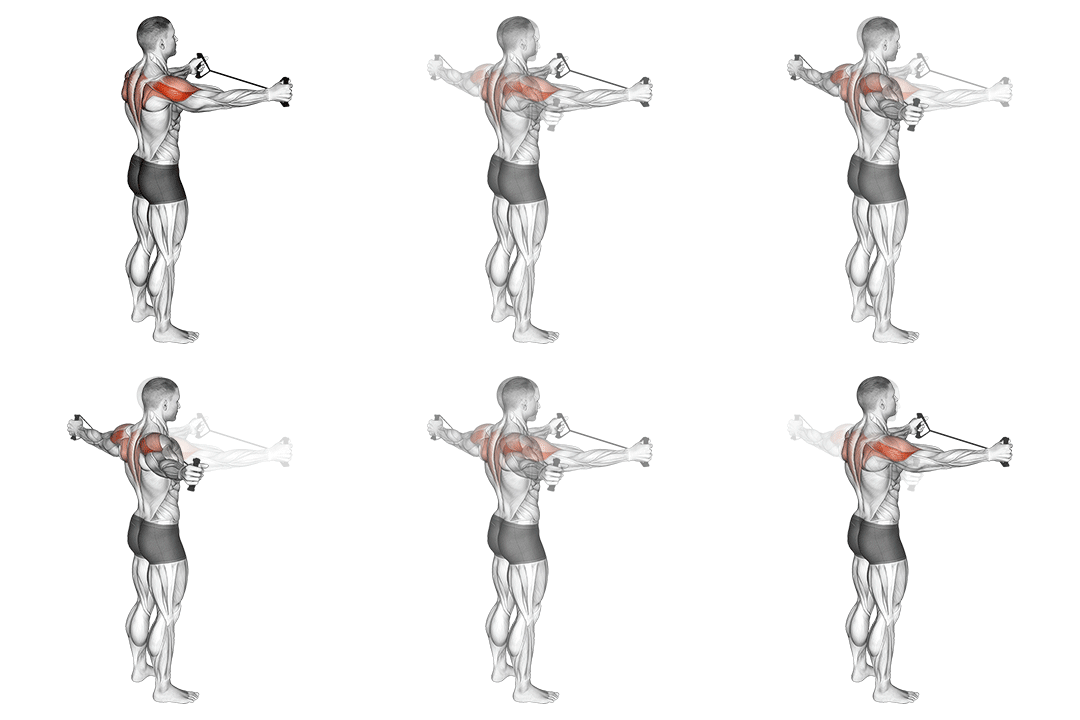
The Band Pull Apart performs band pull-aparts. The pattern produces high-volume rear delt work for esports.
For esports athletes, the band pull apart provides accessible posterior shoulder work. Run it for 3 sets of 15 to 25 reps daily as high-volume rear delt work.
Stand holding a resistance band with both hands, arms extended forward at shoulder height with hands shoulder-width apart. Pull the band apart by retracting the shoulder blades and abducting the arms out to the sides. The rear delts and rhomboids work hard. Squeeze hard at peak. Return under control. The pattern produces direct posterior delt and rhomboid loading – excellent for esports athletes because bands can be done daily without recovery concerns and address the specific posterior shoulder weakness that develops from gaming posture. The most accessible exercise for daily gaming-related posture correction.
Dumbbell Rear Delt Fly
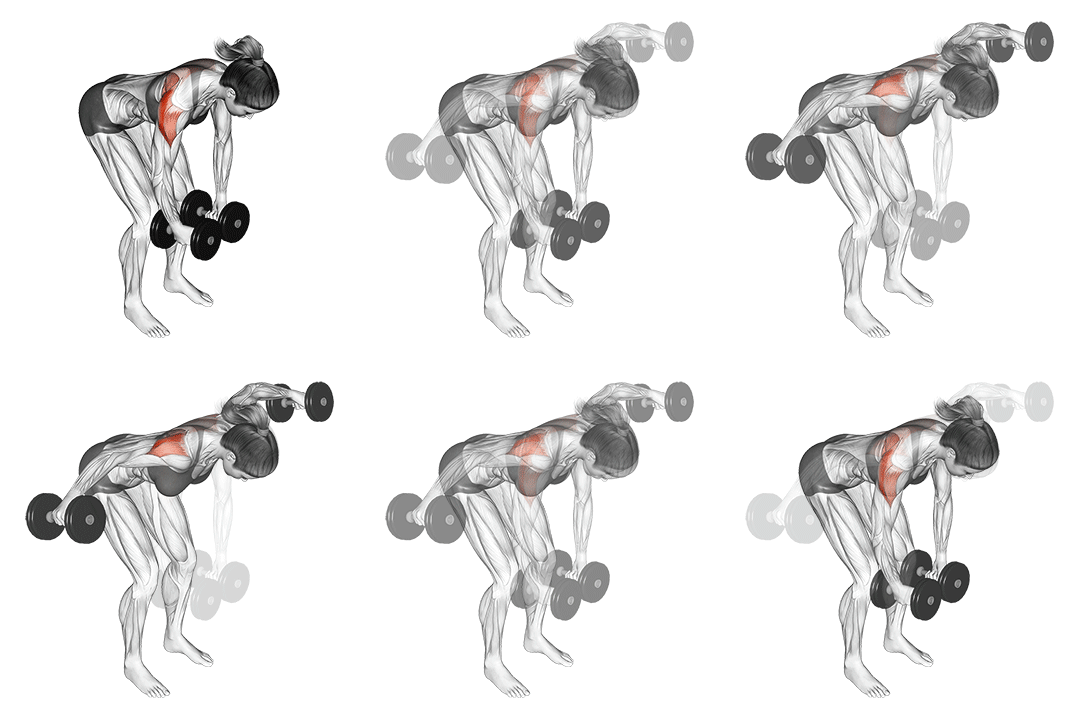
The Dumbbell Rear Delt Fly performs rear delt flies. The pattern produces direct rear delt loading for gamers.
For esports athletes, the rear delt fly produces direct rear delt strengthening. Run it for 3 sets of 12 to 15 reps as rear delt work.
Stand with feet hip-width holding dumbbells. Hinge forward at the hips with a flat back so the torso is parallel to the floor. Hold the dumbbells underneath the chest with palms facing each other. Lift the dumbbells out to the sides by raising the arms straight out to shoulder height. The rear delts and rhomboids work hard. Squeeze hard at peak. Lower under control. The pattern produces direct rear delt isolation – critical for esports athletes because rear delt weakness contributes to the rounded shoulder and forward head posture that develops from gaming, and dedicated rear delt strengthening addresses this gaming-specific issue.
Barbell Shrug

The Barbell Shrug performs barbell shrugs. The pattern produces upper trap strengthening for esports.
For esports athletes, the barbell shrug builds upper trap strength supporting neck position. Run it for 3 sets of 8 to 12 reps as upper trap work.
Stand with feet hip-width holding a barbell at the front of the thighs with overhand grip. Lift the shoulders straight up toward the ears by elevating the scapulae. The upper traps work hard through pure scapular elevation. Squeeze the upper traps hard at peak. Lower under control. The pattern produces upper trap strengthening – critical for esports athletes because strong upper traps support proper neck and shoulder position during long gaming sessions, and weak upper traps contribute to the postural patterns that produce neck pain and shoulder issues common in gamers.
Wrist Flexor Stretch
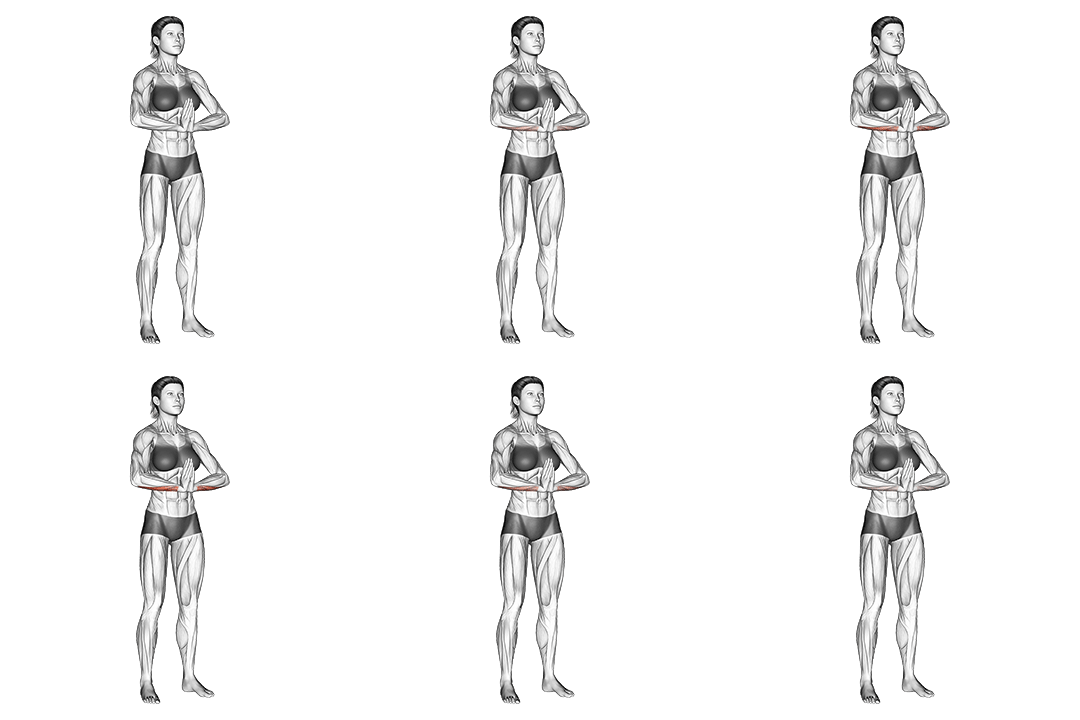
The Wrist Flexor Stretch performs wrist flexor stretching. The pattern is foundational for esports athletes.
For esports athletes, the wrist flexor stretch is foundational for gaming wrist health. Run it for 3 sets of 30-second holds per side, multiple times daily including during gaming breaks.
Extend one arm forward with palm facing up. Use the other hand to gently pull the fingers back toward the body, creating stretch through the front of the forearm and inner elbow. Hold for 30 seconds. Switch sides. The pattern is foundational for esports athletes – gaming involves extensive wrist flexion (mouse and keyboard use, controller grip), producing wrist flexor tightness that contributes to the carpal tunnel and tendinitis issues common in esports athletes. Multiple daily stretching sessions during gaming breaks prevent and address gaming-related wrist issues.
Barbell Wrist Curl

The Barbell Wrist Curl performs barbell wrist curls. The pattern builds forearm strength for esports.
For esports athletes, the barbell wrist curl builds forearm strength preventing gaming injuries. Run it for 3 sets of 12 to 15 reps as forearm strengthening work.
Sit on a bench with the forearms resting on the thighs and the wrists hanging off the knees. Hold a barbell with palms-up grip. Allow the wrists to extend down (forearm flexors stretch). Curl the wrists up by flexing them. The forearm flexors work hard. Squeeze hard at peak. Lower under control. The pattern produces direct forearm flexor strengthening – critical for esports athletes because strong forearms support sustained gaming sessions, prevent the carpal tunnel issues common in pro gaming, and provide injury protection for the wrists that take heavy loading during competitive gaming.
Open Book Stretch

The Open Book Stretch performs thoracic mobility stretching. The pattern produces thoracic rotation mobility.
For esports athletes, the open book stretch produces thoracic mobility for proper gaming posture. Run it for 3 sets of 8 to 10 reps per side, daily.
Lie on one side with knees bent at 90 degrees and hips stacked. Extend both arms straight in front at shoulder height with palms together. Slowly rotate the top arm and torso open toward the floor behind, opening like a book. Reach the top arm to touch the floor on the opposite side. Hold briefly. Return to start. Switch sides. The pattern produces thoracic rotation mobility – critical for esports athletes because limited thoracic mobility from prolonged sitting and gaming contributes to shoulder and neck issues. Daily thoracic mobility work addresses this gaming-specific limitation.
Front Plank
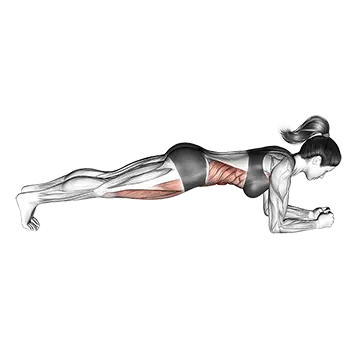
The Front Plank performs forearm plank holds. The pattern produces foundational core for proper gaming posture.
For esports athletes, the plank produces foundational core stability supporting gaming posture. Run it for 3 sets of 30 to 60-second holds, 3 times per week.
Lie face-down on the floor. Prop up on the forearms with elbows under the shoulders. Lift the hips so the body forms a straight line from shoulders to ankles. The core works hard isometrically. Hold for the working interval. The pattern builds isometric core strength critical for gaming posture – strong core supports proper sitting posture during long gaming sessions and prevents the postural breakdown that contributes to neck pain, back pain, and shoulder issues common in esports athletes.
Child Pose

The Child Pose performs the child pose stretch. The pattern produces gentle full-body relaxation for esports.
For esports athletes, the child pose produces gentle relaxation between gaming sessions. Run it for 2 to 3 sets of 60-second holds during breaks.
Kneel on the floor with knees wide and big toes touching. Sit back on the heels and reach the arms forward extending the spine. Allow the chest to lower toward the floor between the thighs. Allow the head to relax. Hold for 60 seconds. The pattern produces gentle relaxation and full-body stretch – excellent for esports athletes because the position relaxes the upper body, stretches the lats and shoulders, and provides recovery from extended gaming positions. Daily practice during gaming breaks supports overall recovery between sessions.
Side Neck Stretch

The Side Neck Stretch performs lateral neck stretching. The pattern addresses neck tightness from gaming.
For esports athletes, the side neck stretch addresses lateral neck tightness from gaming posture. Run it for 3 sets of 30-second holds per side, multiple times daily including during gaming breaks.
Sit or stand tall. Slowly tilt the head to one side, bringing the ear toward the shoulder while keeping the opposite shoulder down. Use the same-side hand to gently assist if needed. The opposite-side neck and upper trap stretches. Hold for 30 seconds. Switch sides. The pattern produces direct lateral neck stretching – critical for esports athletes because long gaming sessions produce neck tightness that contributes to neck pain and headaches common in competitive gaming. Multiple daily neck stretching sessions during gaming breaks prevent and address gaming-related neck issues.
How To Program These Workouts
A productive esports athlete session pulls 6 to 8 exercises from the list above. A common balanced session: cable standing face pull (posterior shoulder primary), band pull apart (high-volume rear delt), dumbbell rear delt fly (rear delt isolation), wrist flexor stretch (gaming wrist health), open book stretch (thoracic mobility), front plank (core), side neck stretch (neck mobility). For pre-tournament preparation: emphasize daily comprehensive mobility plus posterior shoulder work. For daily gaming maintenance: short 10-15 minute sessions focused on mobility and posterior shoulder work between gaming sessions. Run posterior shoulder work for 3 sets of 12 to 25 reps, mobility/stretching for 3 sets of 30 to 60-second holds, core work for 3 sets of 30 to 60-second holds, forearm work for 3 sets of 12 to 15 reps.
Train esports athlete strength with high frequency for accelerated injury prevention. The unique demands of esports respond best to gentle high-frequency intervention plus mobility work. Most successful esports programs include: 1) daily mobility work (face pulls, band pull-aparts, wrist stretches, neck stretches) during gaming breaks, 2) 2 to 3 weekly strength sessions (rear delt flies, shrugs, planks, supermans), 3) regular cardio for general health, 4) postural awareness throughout gaming sessions, 5) ergonomic gaming setup, 6) regular gaming breaks (5 to 10 minutes per hour). Combined with proper gaming setup, adequate sleep, hydration, and stress management, esports-focused training extends competitive careers and prevents the chronic injuries common in pro gaming.
For broader programming, see our best workouts for office workers and how to fix forward head posture. For specific work, see our how to fix wrist pain.
Final Thoughts
The best workouts for esports athletes deliver real gaming performance and longevity improvements through training that targets the specific physical demands of competitive gaming: posterior shoulder strengthening for gaming-related postural issues, upper trap support, rear delt isolation, wrist mobility for gaming health, forearm strengthening for injury prevention, thoracic mobility, core stability, gentle relaxation, and neck mobility. The combination of face pulls, band pull-aparts, rear delt flies, shrugs, wrist stretches, wrist curls, open book stretches, planks, child pose, and neck stretches covers every functional pattern needed for esports athlete health and produces broader posture, mobility, and injury prevention than gaming alone provides. Many esports athletes discover better gaming posture, fewer wrist and forearm issues, reduced neck pain, less back pain, longer competitive careers, better focus through reduced discomfort, faster recovery between sessions, and the sustained physical capacity that supports peak gaming performance within 4 to 8 weeks of adding consistent gaming-specific training. For esports athletes seeking better gaming health and competitive longevity, dedicated esports-focused training is one of the most effective interventions available.
Stay focused on injury prevention as the priority for esports athlete training. The most common mistake esports athletes make is neglecting physical training entirely (assuming gaming doesn’t require physical care) or doing only general fitness without addressing gaming-specific issues. The fix: prioritize daily gaming-specific mobility (face pulls, wrist stretches, neck stretches) plus 2 to 3 weekly strength sessions targeting posterior shoulder, upper trap, core, and forearm. Combined with proper ergonomic setup, adequate gaming breaks, sleep, and stress management, gaming-specific training produces the gaming health that generic training never achieves. Esports careers depend on physical durability that gaming alone destroys without intervention.
Frequently Asked Questions
Should esports athletes work out?
Yes – properly programmed training improves gaming performance and dramatically extends competitive careers. Training produces: better gaming posture, fewer wrist and forearm injuries, reduced neck pain, less back pain, longer competitive careers, better focus through reduced physical discomfort, faster recovery, and sustained gaming capacity. Modern professional esports organizations all incorporate physical training programs. The myth that esports doesn’t require physical care is misplaced – gaming-specific physical demands produce gaming-specific issues that require gaming-specific intervention.
How can esports athletes prevent wrist pain?
Daily wrist mobility plus forearm strengthening plus proper gaming setup. Daily wrist flexor stretching (multiple times during gaming breaks) addresses wrist tightness from gaming. Wrist curls strengthen the forearms supporting wrist health. Combined with proper ergonomic gaming setup (mouse position, keyboard height, wrist support), adequate breaks, and gaming-specific posture awareness, this approach prevents and addresses the carpal tunnel and tendinitis issues common in pro gaming. Most successful esports athletes incorporate daily wrist care.
How can esports athletes fix gaming posture?
Daily face pulls plus thoracic mobility plus postural awareness. Daily face pulls (3 to 4 sets of 12 to 15 reps) address the posterior shoulder weakness underlying gaming posture. Open book stretches address thoracic mobility limitations. Combined with shrugs (upper trap support), rear delt flies (isolation), child pose (relaxation), planks (core), supermans (posterior chain), and consistent postural awareness during gaming, this comprehensive approach produces measurable posture improvements within 4 to 8 weeks.
How often should esports athletes work out?
Daily mobility plus 2 to 3 weekly strength sessions. Most successful programs include: 1) daily mobility work during gaming breaks (face pulls, wrist stretches, neck stretches – 5 to 15 minutes), 2) 2 to 3 weekly strength sessions (rear delt flies, shrugs, planks, forearm work – 30 to 45 minutes), 3) regular cardio for general health. This frequency produces measurable gaming health improvements within 4 to 8 weeks while supporting sustained competitive performance.
What’s the best exercise for esports athletes?
Daily face pulls plus wrist stretches plus front plank. Cable face pulls produce the most direct loading on the posterior shoulder muscles weakened by gaming posture – the most important gaming health exercise. Daily wrist stretches address gaming-related wrist tightness. Front plank builds core stability supporting proper gaming posture. Combined with band pull-aparts, rear delt flies, shrugs, wrist curls, open book stretches, child pose, and side neck stretches, these form the foundation of esports athlete training.