Backwards Run

Description
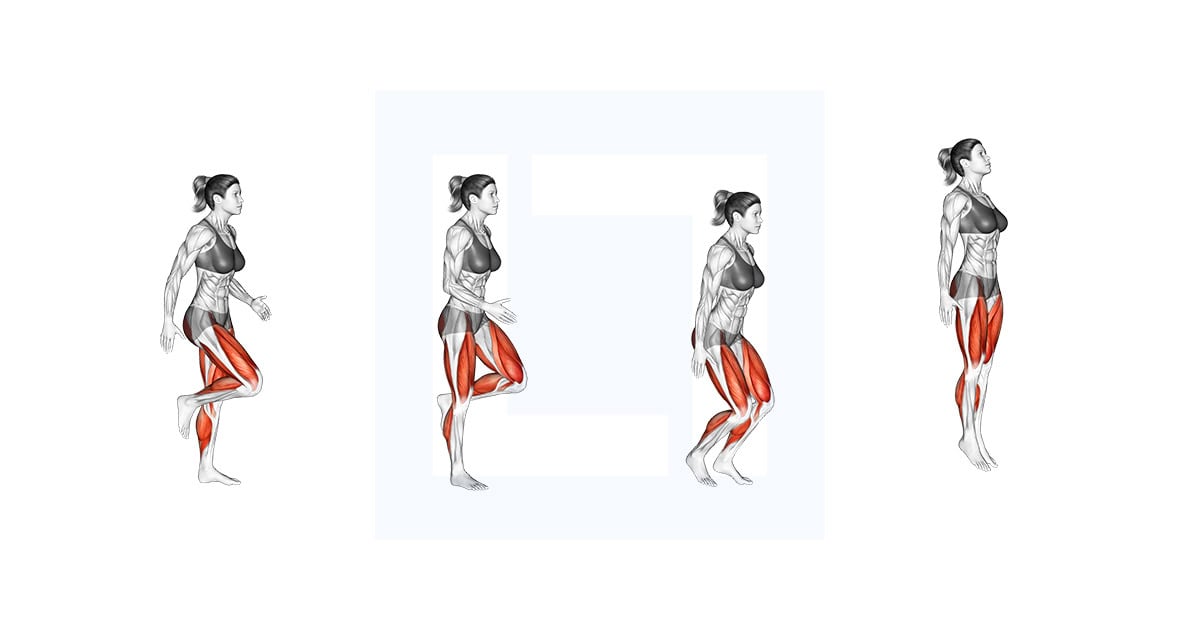
Backwards running is a cardio drill where you run in reverse direction. It trains coordination, hip stability, and the posterior chain in different patterns than forward running. It is also lower-impact on the knees and is used in athletic training and rehabilitation. Always run in a clear, open area and look back periodically for safety.
Muscle Group
Equipment Required
Backwards Run Instructions
- Find a clear, open space (track, field, gym) with no obstacles behind you.
- Start with a slow backward jog. Get a feel for the motion and your awareness.
- Push off the balls of your feet and reach back with each step.
- Keep your stride moderate. Do not over-extend your legs back.
- Stay slightly leaned forward to maintain balance.
- Look over your shoulder periodically to scan for obstacles.
- Pump your arms naturally for balance.
- Build up speed gradually. Aim for 30 to 60 seconds per interval.
Backwards Run Form & Visual

Backwards Run Benefits
- Trains coordination and proprioception
- Builds hip stability and quad endurance
- Lower impact on the knees than forward running
- Useful in rehabilitation and athletic training
- Activates muscles in different patterns than forward running
- Engaging variation for cardio training
Backwards Run Muscles Worked
- Quadriceps (heavy involvement)
- Calves
- Hip flexors
- Gluteus maximus and medius
- Core (stabilizer)
Backwards Run Variations & Alternatives
- Run on Treadmill
- High Knee Run
- Lateral Shuffle
- Backwards Walk (regression)
- Backwards Run on Incline Treadmill