Rolling Bridge

Description
The rolling bridge transitions from a supine glute bridge to a prone plank (or vice versa) by rolling to one side. It trains the core through all positions — bridge, side plank, and front plank — in one continuous movement.
Equipment Required
Rolling Bridge Instructions
- Start in a supine glute bridge — hips up, feet flat, back on floor.
- Roll to your right side into a side plank position.
- Continue rolling to prone plank (face down).
- Roll back to your left side (side plank).
- Continue back to the supine bridge.
- That is one full rotation.
- Maintain elevation throughout — hips stay off the floor.
- Aim for 3 to 5 full rotations per direction.
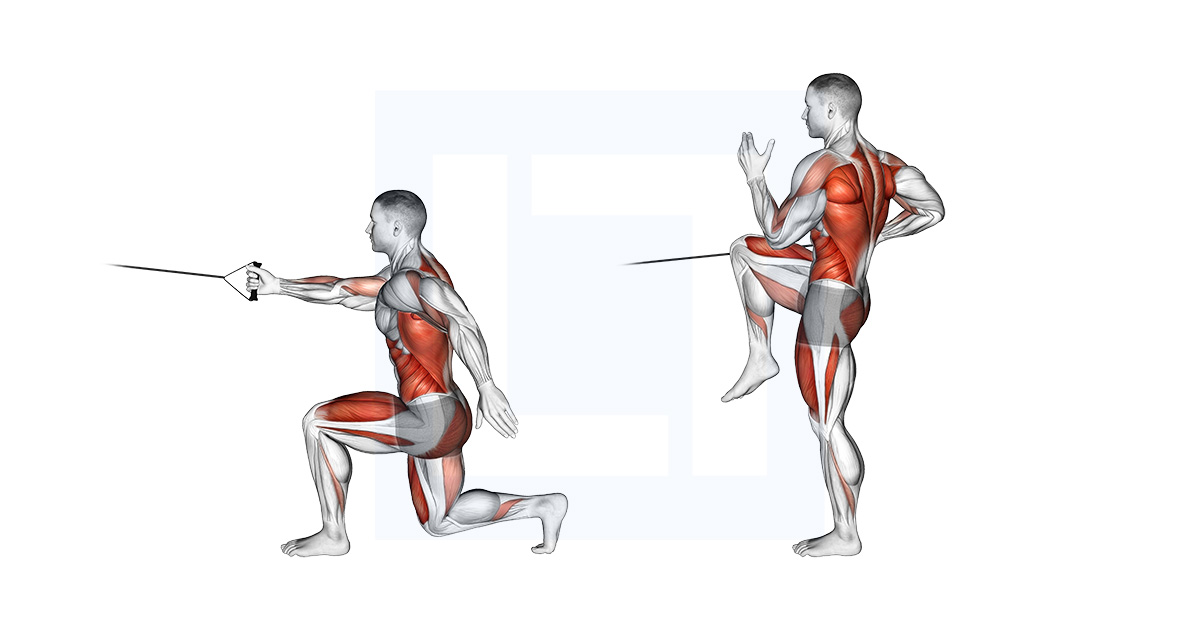
Rolling Bridge Form & Visual

Rolling Bridge Benefits
- Trains the core through all positions in one flow
- Combines bridge, side plank, and front plank
- Develops rotational transitions
- Builds full circumference core strength
- No equipment needed
- Engaging and challenging
Rolling Bridge Muscles Worked
- Rectus abdominis
- Obliques
- Gluteus maximus (bridge)
- Anterior deltoid (plank)
- Core (all angles)
Rolling Bridge Variations & Alternatives
- Hip Roll Plank
- Glute Bridge
- Front Plank
- Side Plank
- Alligator Roll