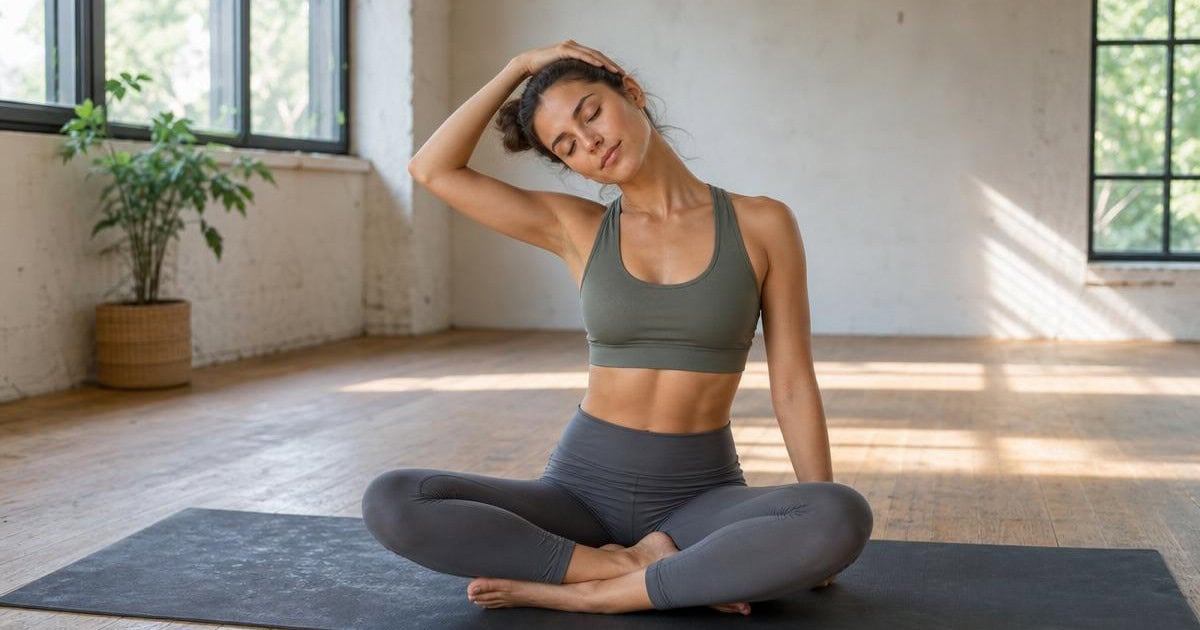
Neck tightness is one of the most common modern complaints, affecting people of all activity levels. The causes are well established – sedentary work, extended screen time, forward head posture, weak upper back muscles, thoracic spine stiffness, and upper trap dominance from chronic stress. Effective neck tightness work must address both the direct neck tension and the contributing factors throughout the upper body system.
These ten exercises address neck tightness comprehensively. Targeted neck stretches (side stretches, rotating stretches, kneeling stretches) lengthen the tight neck muscles directly. Posture strengthening (band pull-aparts, Y-raises, scapular pull-ups) addresses the weak upper back muscles that contribute to forward head posture. Integrated mobility work (cat-cow, child’s pose, wall slides) addresses the spinal and shoulder mobility that affects neck function. Seated stretches provide accessible relief throughout the work day. Together they produce sustainable improvement rather than temporary tension relief.
Neck Side Stretch

The Neck Side Stretch performs a side-to-side neck stretch. The pattern targets the upper trapezius and lateral neck muscles.
For neck tightness, side neck stretches address the upper trap tightness. Run it for 3 sets of 30 second holds per side as primary neck stretch work.
Sit or stand with shoulders relaxed. Slowly tilt the head to one side, bringing the ear toward the shoulder. Use the same-side hand to gently assist the stretch by lightly pressing on the head, while the opposite arm reaches down to anchor the shoulder. Hold the stretch. Switch sides. The pattern targets the upper trapezius and lateral neck muscles – the most common source of neck tightness in those with sedentary work or excessive screen time. Foundational neck stretch that addresses the primary tight area for most people experiencing neck tension.
Rotating Neck Stretch
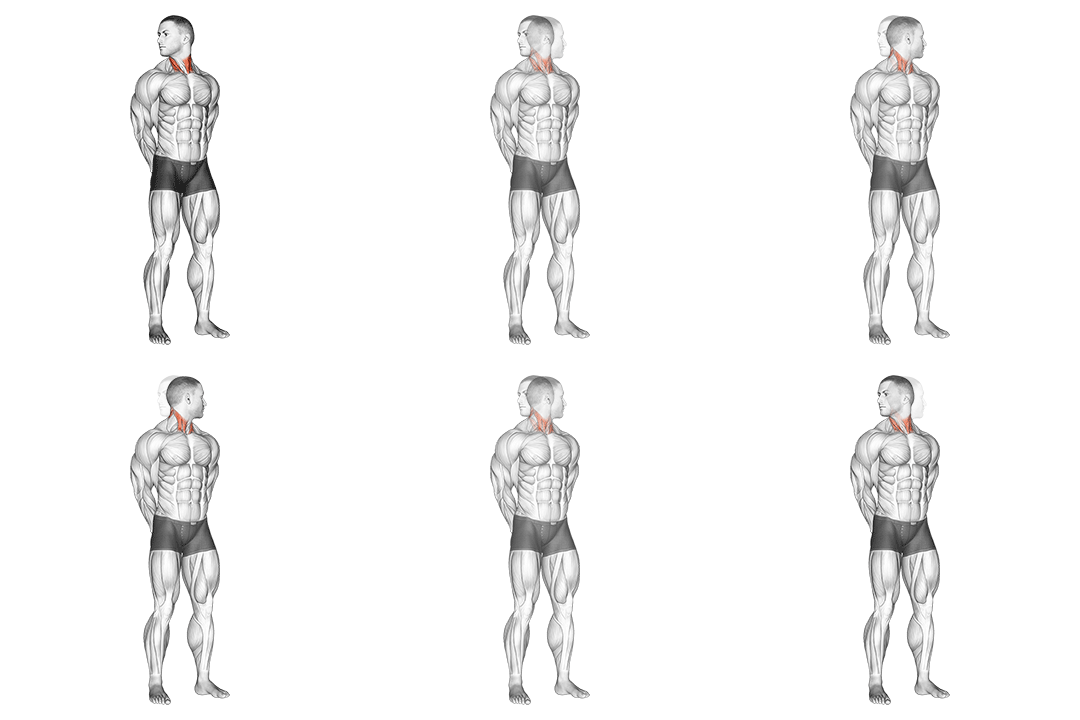
The Rotating Neck Stretch performs a head-rotation stretch. The pattern targets the cervical rotator muscles.
For neck tightness, rotating neck stretches address rotation restrictions. Run it for 3 sets of 20 to 30 second holds per side as rotation mobility work.
Sit or stand with shoulders relaxed. Slowly rotate the head to one side, looking over the shoulder. Use the hand to gently assist the rotation if needed. Hold. Return to center, then rotate to the other side. Switch sides through repeated rotations. The pattern develops cervical rotation mobility – critical for neck tightness because rotation restrictions are common alongside lateral tightness. Builds the rotational mobility that supports daily neck function during driving, looking around, and varied head positions.
Child Pose

The Child Pose performs the yoga child’s pose. The pattern stretches the upper back and indirectly relieves neck tension.
For neck tightness, child’s pose relieves upper back tension contributing to neck tightness. Run it for 3 sets of 30 to 60 second holds as upper back relief work.
Begin on hands and knees. Sit back onto the heels while extending the arms forward and lowering the chest toward the floor. Rest the forehead on the floor with arms extended. Breathe deeply. The pose stretches the upper back and shoulders while allowing the neck to fully relax – excellent for neck tightness because much neck tension is driven by upper back and shoulder tension. The deep breathing combined with the supported position promotes overall upper body relaxation that often relieves neck tightness when direct neck work alone proves insufficient.
Cat Cow Stretch

The Cat Cow Stretch performs spinal flexion-extension on hands and knees. The pattern mobilizes the entire spine including the cervical spine.
For neck tightness, cat-cow improves spinal mobility supporting neck function. Run it for 3 sets of 8 to 10 reps as spinal mobility work.
Begin on hands and knees with hands under shoulders and knees under hips. Cat: Round the back upward, drop the head, and tuck the tailbone. Cow: Reverse by arching the back, lifting the head and tailbone. Continue alternating. The pattern mobilizes the entire spine including the cervical spine – excellent for neck tightness because cervical spine mobility depends on thoracic spine mobility, and stiff thoracic spines often produce compensatory neck tightness. Improving overall spinal mobility addresses one of the upstream causes of neck tension.
Band Pull Apart
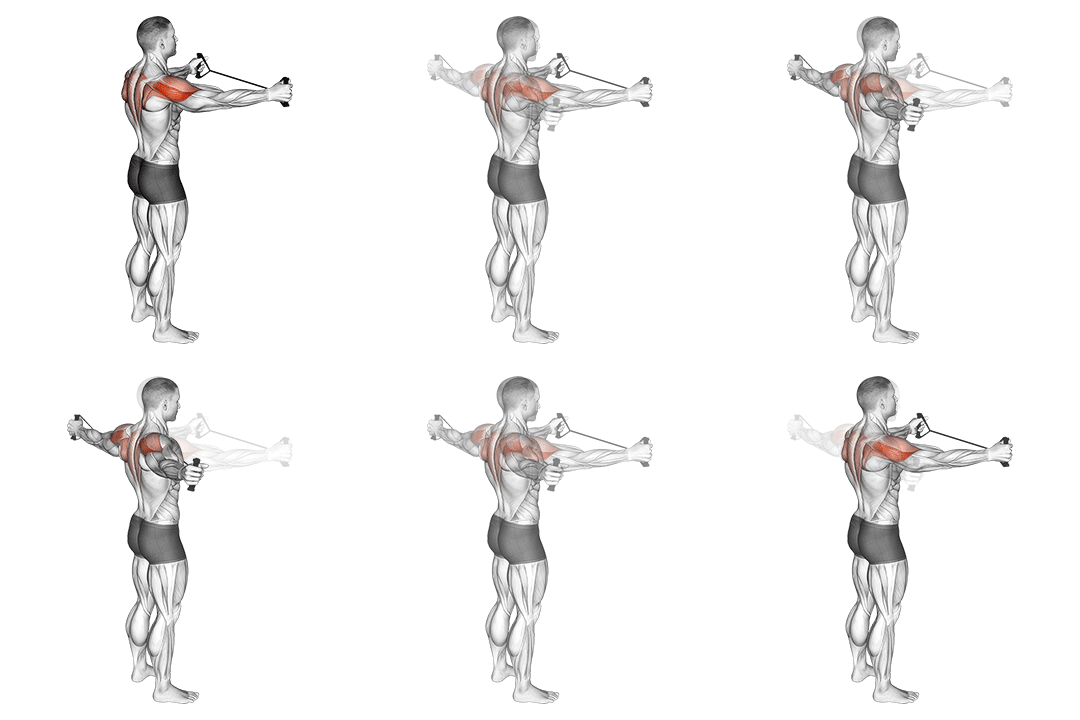
The Band Pull Apart performs horizontal abduction with band resistance. The pattern strengthens the upper back muscles that counter forward head posture.
For neck tightness, band pull-aparts strengthen the upper back to address forward head posture. Run it for 3 sets of 12 to 15 reps as posture strengthening work.
Hold a resistance band with arms straight at shoulder height, hands shoulder-width. Pull the band apart by squeezing the shoulder blades together while keeping the arms straight. Reach end range with the arms wide. Return under control. The pattern strengthens the rear delts and middle traps – critical for neck tightness driven by forward head posture. Strong upper back muscles support proper head and neck position, addressing one of the structural causes of chronic neck tension. Accessible exercise for daily posture work.
Standing Y Raise

The Standing Y Raise performs overhead Y-pattern raises. The pattern strengthens lower traps for shoulder posture.
For neck tightness, Y-raises strengthen lower traps to support proper neck position. Run it for 3 sets of 12 to 15 reps as posture strengthening work.
Stand or hinge slightly forward holding light dumbbells or no weight, arms hanging in front. Raise the arms overhead in a Y position – arms angled out at roughly 45 degrees from the body. Squeeze the lower traps to control the scapular upward rotation. Lower under control. The pattern strengthens the lower trapezius – critical for neck tightness because weak lower traps contribute to upper trap dominance, which produces chronic neck tension. Strong lower traps balance the upper trap function and reduce the compensatory tension that drives neck tightness.
Scapular Pull Up

The Scapular Pull Up performs isolated scapular depression hangs. The pattern builds scapular control that supports proper neck position.
For neck tightness, scap pull-ups build scapular control that reduces neck tension. Run it for 3 sets of 8 to 12 reps as scapular control work.
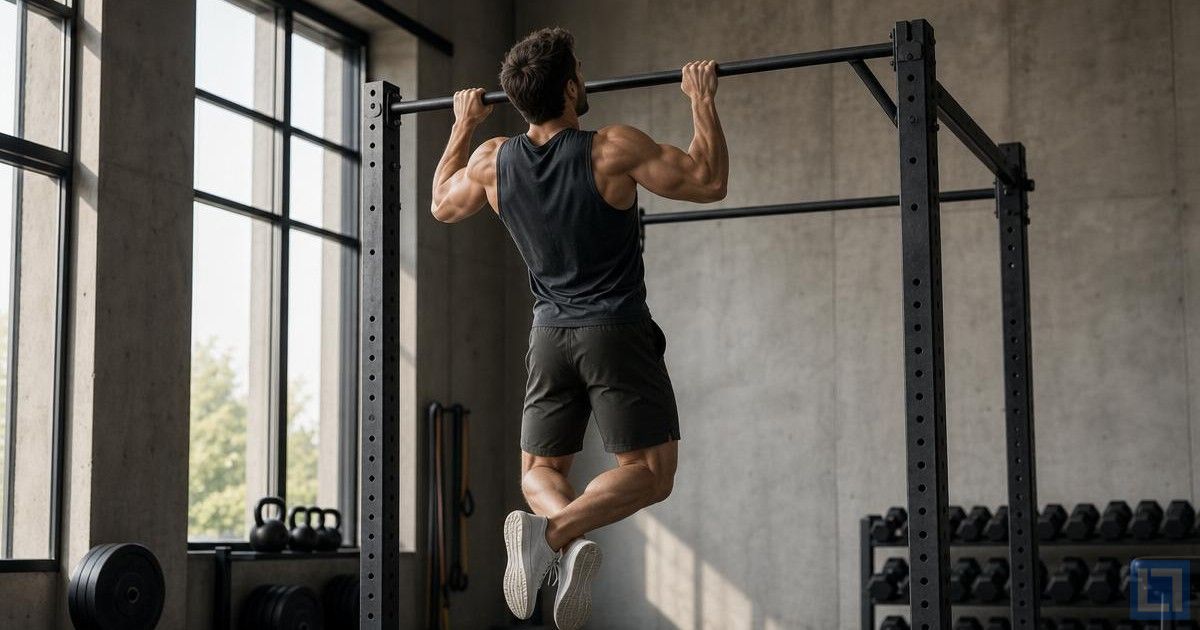
Hang from a pull-up bar with arms fully straight. Without bending the elbows, depress the scapulae by pulling the shoulders down and back. Hold the depressed position briefly. Return to a fully relaxed hang. The pattern isolates scapular depression – the lower trapezius is the primary scapular depressor, and this exercise builds the lower trap strength that opposes upper trap dominance. Strong scapular depression directly addresses one of the underlying causes of chronic neck tension.
Forearm Wall Slide
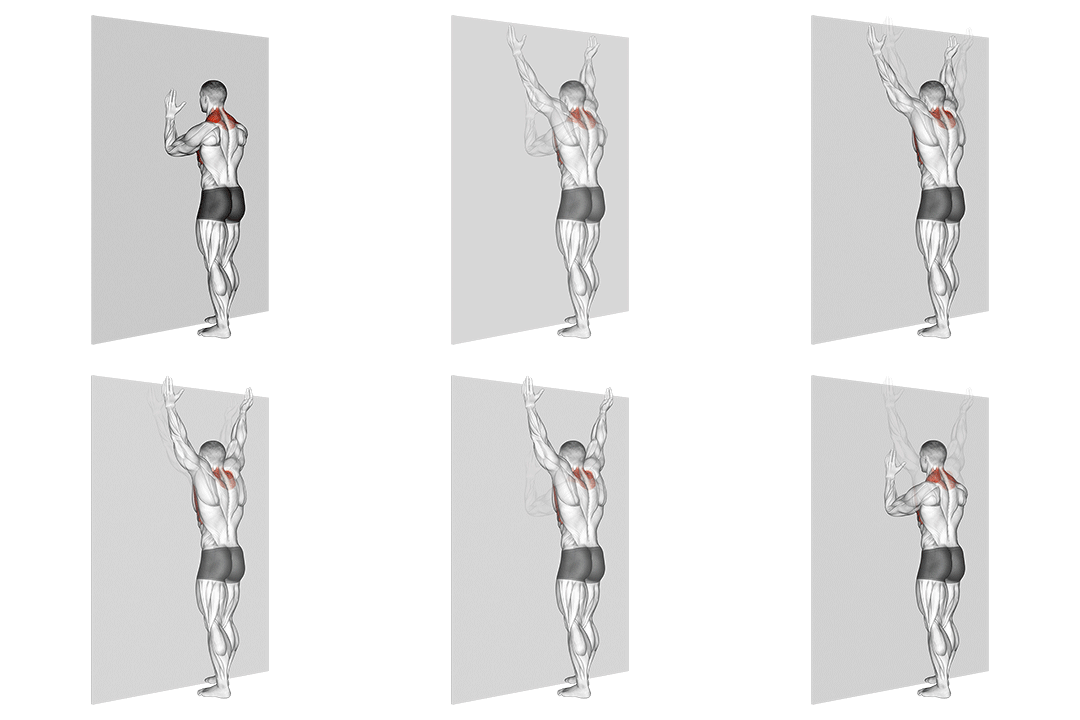
The Forearm Wall Slide performs overhead reach against a wall. The pattern integrates shoulder and neck function.
For neck tightness, wall slides integrate shoulder mobility with proper neck position. Run it for 3 sets of 8 to 12 reps as integrated mobility work.
Stand facing a wall with the forearms pressed against the wall, elbows at shoulder height. Slide the arms upward along the wall, keeping the forearms in contact and maintaining a slight pressing pressure. Reach as high as possible while keeping the lower back from arching. Lower under control. The pattern combines thoracic mobility, scapular function, and head/neck positioning during overhead movement – excellent for neck tightness because healthy neck function requires healthy shoulder and thoracic function. Integrated exercise that addresses neck tension through addressing the connected upper body system.
Kneeling Neck Stretch

The Kneeling Neck Stretch performs a kneeling neck stretch with hand assistance. The pattern provides deeper neck stretching through stable positioning.
For neck tightness, kneeling neck stretches provide stable deep neck stretch. Run it for 3 sets of 20 to 30 second holds as targeted neck stretch work.
Kneel on the floor or sit upright. Place one hand behind the back to anchor the shoulder. Use the other hand to gently pull the head toward the opposite shoulder, deepening the side neck stretch. Hold. Switch sides. The kneeling position with the anchored shoulder provides deeper stretch than free-standing variations – excellent for substantial neck tightness because the stable position allows fuller stretch through the upper trap and lateral neck musculature. Targeted variation for chronic tightness.
Seated Neck Side Stretch
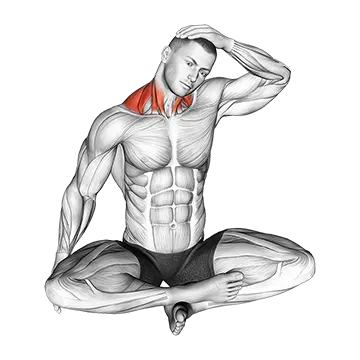
The Seated Neck Side Stretch performs seated lateral neck stretches. The pattern provides accessible seated neck stretching.
For neck tightness, seated stretches provide accessible relief throughout the day. Run it for 3 sets of 30 second holds per side as accessible relief work.
Sit upright in a chair with feet flat on the floor. Anchor one hand under the chair seat. Use the other hand to gently pull the head toward the opposite side, feeling the stretch through the side of the neck. Hold. Switch sides. The seated position provides accessible neck stretching that can be performed at a desk during work breaks – excellent for chronic neck tightness driven by sedentary work because the exercise can be integrated into the work day at the source of the tension. Practical variation for those who develop neck tightness during work.
How To Program These Workouts
Neck tightness work responds best to short daily sessions rather than weekly intensive work. Daily 5 to 10 minute sessions of targeted stretching, posture strengthening, and mobility work produce measurable improvement within 4 to 8 weeks for most chronic neck tightness.
Structure daily work as follows: 2 to 3 neck stretches (side stretches, rotating stretches) for 20 to 30 second holds, child’s pose for 30 to 60 seconds, cat-cow for 8 to 10 reps. Add posture strengthening 2 to 3 times per week: band pull-aparts, Y-raises, scapular pull-ups, and wall slides for 12 to 15 reps. Include seated stretches integrated into the work day for those with sedentary jobs. Consistency drives results.
Address contributing causes alongside direct neck work. For sedentary work driving tightness, address ergonomics (monitor height, screen distance, chair position) alongside the exercise work. For chronic stress driving upper trap dominance, address the stress sources alongside the physical work. The integrated approach – direct work plus contributing factor management – produces sustainable improvement that direct neck work alone may not achieve.
Final Thoughts
These ten exercises provide the complete toolkit for addressing neck tightness. The targeted stretches lengthen the tight neck muscles directly. The posture strengthening addresses the weak muscles that contribute to forward head posture. The integrated mobility work addresses the spinal and shoulder function that affects neck position. The seated stretches provide accessible relief during sedentary work. Together they produce sustainable improvement.
Improving chronic neck tightness requires consistent daily attention combined with addressing the contributing causes. Most cases respond substantially to consistent daily work over 4 to 12 weeks. The combination of direct neck work, posture strengthening, and ergonomic management produces the durable improvement that quick stretching sessions alone cannot achieve. Sustainable neck health requires sustained attention.
Frequently Asked Questions
What causes neck tightness?
Neck tightness has multiple causes – sedentary work and screen time (forward head posture), weak upper back muscles (allowing forward head position), thoracic spine stiffness (limiting cervical mobility), upper trap dominance (chronic stress patterns), poor ergonomics, and sometimes underlying conditions. Most cases involve multiple contributing factors rather than any single cause.
How often should the neck be stretched?
Neck stretches respond best to daily short sessions rather than weekly intensive work. Daily 5 to 10 minute sessions produce measurable improvement within 4 to 8 weeks. For sedentary workers, integrating stretches throughout the work day (every 1 to 2 hours) provides additional benefit beyond dedicated sessions.
Can strengthening exercises help with neck tightness?
Yes – much chronic neck tightness is driven by weak upper back muscles that allow forward head posture. Strengthening exercises (band pull-aparts, Y-raises, scapular pull-ups) address this underlying weakness. Strong upper backs support proper head position, reducing the compensatory tension that drives chronic neck tightness. Strengthening complements stretching for sustainable improvement.
Should neck stretches feel painful?
Neck stretches should feel like moderate stretch sensation but not painful. Sharp, burning, or radiating pain indicates excessive force or potential underlying issues. Hold stretches at moderate intensity for 20 to 30 seconds rather than pushing into pain. Consistent moderate stretching produces better results than aggressive stretching that may irritate sensitive neck tissues.
When should neck tightness be evaluated by a professional?
Most chronic neck tightness responds well to consistent stretching, strengthening, and ergonomic work. Persistent or worsening tightness despite consistent work, neck pain that radiates into the arms or hands, neck pain accompanied by headaches or vision changes, or neck stiffness following injury warrant professional evaluation. Most generic neck tightness does not require professional intervention if addressed consistently.