Pelvic Tilt Into Bridge

Description
The pelvic tilt into bridge is a Pilates-style mobility exercise that combines a posterior pelvic tilt with a sequential roll into a glute bridge. It teaches segmental spinal articulation, builds glute activation, and improves lumbar control. It is a foundational warm-up exercise for spine and glute health.
Equipment Required
Pelvic Tilt Into Bridge Instructions
- Lie flat on your back with knees bent at 90 degrees and feet flat on the floor, hip-width apart.
- Begin with a posterior pelvic tilt: press your lower back firmly into the floor and tilt your pelvis up toward your ribs.
- From the pelvic tilt, sequentially roll your spine off the floor — tailbone, lower back, mid-back — until you reach a glute bridge position.
- At the top, your body forms a straight line from knees to shoulders. Squeeze your glutes.
- Reverse the motion: roll your spine back down sequentially — mid-back, lower back, tailbone.
- End with the posterior pelvic tilt before releasing.
- Move slowly and with control. Each vertebra should leave and return to the floor sequentially.
- Repeat for 8 to 12 reps as a warm-up or core activation.
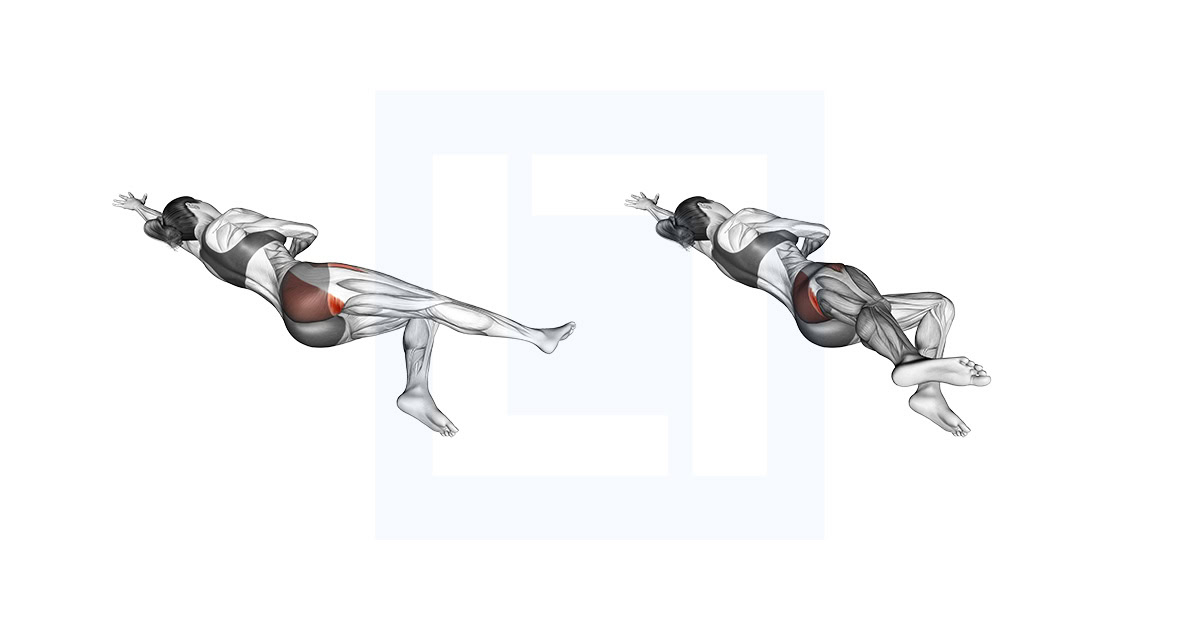
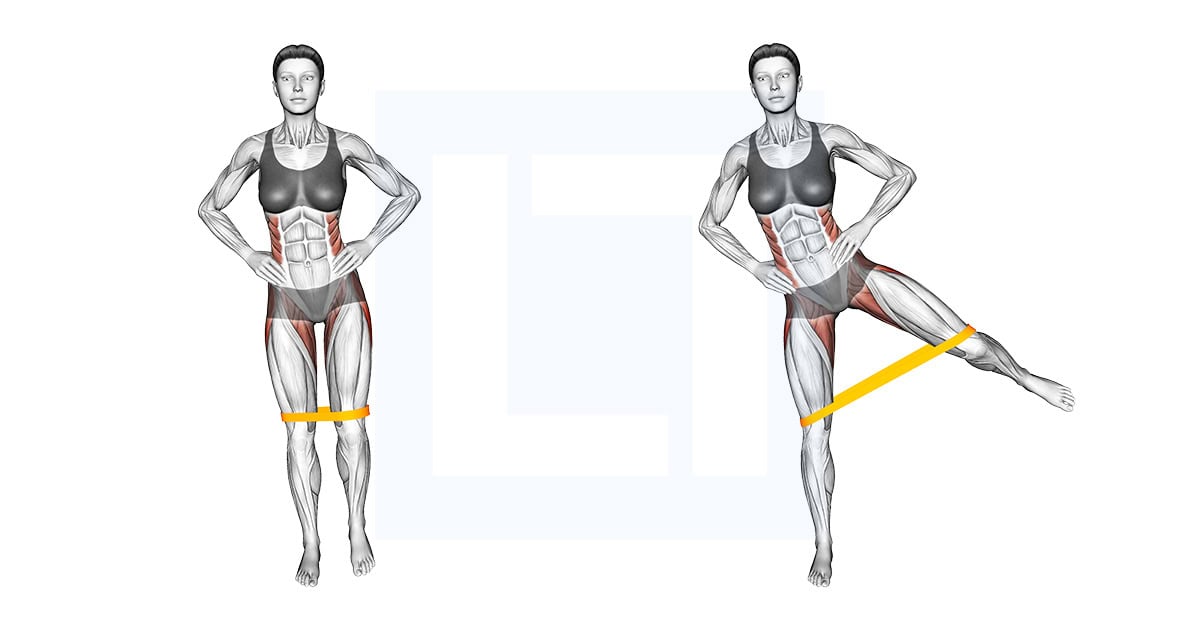
Pelvic Tilt Into Bridge Form & Visual

Pelvic Tilt Into Bridge Benefits
- Teaches segmental spinal articulation
- Builds glute activation
- Improves lumbar control
- Excellent warm-up for lower-body training
- Useful for rehabilitation and posture work
- No equipment needed
Pelvic Tilt Into Bridge Muscles Worked
- Gluteus maximus
- Hamstrings
- Erector spinae (control)
- Rectus abdominis (pelvic tilt)
- Transverse abdominis
Pelvic Tilt Into Bridge Variations & Alternatives
- Shoulder Bridge (Pilates)
- Dumbbell Glute Bridge
- Glute Bridge March
- Posterior Pelvic Tilt (just the tilt)
- Single-Leg Pelvic Tilt to Bridge